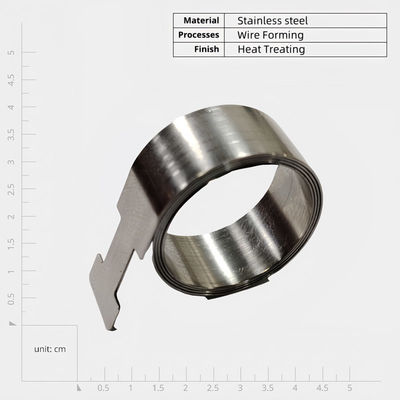
В области машиностроения различные компоненты гармонично работают для питания устройств и систем, которые мы используем каждый день.Торсионные пружины выделяются как кажущиеся скромными, но принципиально важными элементамиОт гаражных дверей до стиральных машин и автомобильных подвесных систем, торсионные пружины играют незаменимую роль во многих приложениях.
1Искусство крутящего момента и устойчивости
Торсионные пружины - это механические устройства, которые накапливают и высвобождают энергию через вращающее движение.позволяет контролировать вращательное движение и поддерживать давлениеИх производительность зависит от множества факторов, включая состав материала, диаметр, длину и количество катушек.
1.1 Принцип работы: преобразование энергии путем скручивания
Работа торсионных пружин зависит от эластичной деформации материалов. При торсионном напряжении материал пружины подвергается изгибу деформации для хранения энергии.выбросы накопленной энергииЭта особенность делает торсионные пружины эффективными для передачи вращающейся силы и поддержания давления при применении углового смещения.
1.2 Механические характеристики
Ключевые механические свойства включают:
-
Момент:Производимая сила вращения пропорциональна углу поворота
-
Жесткость:Устойчивость к деформации изгиба
-
Эластичный предел:Максимальный угол поворота перед постоянной деформацией
-
Продолжительность жизни:Количество циклов вращения до отказа
2. Повсеместное применение
Торсионные пружины широко используются в различных отраслях промышленности:
2.1 Автомобильная промышленность
Приложения включают:
- Системы подвески для стабильности и управляемости
- Механизмы передачи мощности
- Педали тормоза и сцепления для обратной силы
2.2 Возобновляемая энергия
Критические роли в:
- Солнечные системы отслеживания для регулировки панели
- Оптимизация угла лезвия ветряной турбины
- Управление гидроэлектрическими воротами плотин
2.3 Строительный сектор
Необходимо для:
- Точное управление тяжелой техникой
- Механизмы двери/окна для бесперебойной работы
- Устройства для блокировки эстафеты для обеспечения безопасности
3Материалы и дизайн: инженерные характеристики
Производительность пружины в значительной степени зависит от выбора материала и конфигурации конструкции.
3.1 Выбор материала
Общие материалы включают:
| Материал |
Ключевые свойства |
Заявления |
| Сталь с высоким содержанием углерода |
Высокая прочность, износостойкость |
Приложения для тяжелых нагрузок |
| Нержавеющая сталь |
Устойчивость к коррозии |
Влажная/коррозионная среда |
| Хром-кремниевая сталь |
Исключительная устойчивость к нагрузкам |
Экстремальные условия нагрузки |
3.2 Варианты конструкции
К распространенным конфигурациям относятся:
-
Аксиальные торсионные пружины:Котушки параллельные центральной оси для компактных помещений
-
Двойные торсионные пружины:Противоположные катушки для сбалансированной силы
-
Конструкции тангенциальных ног:Плавное применение крутящего момента
4. Торсион против расширения пружин
Ключевые различия:
| Характеристика |
Торсионная пружина |
Расширение пружины |
| Тип силы |
Устойчива к скручиванию |
Устойчив к растяжению |
| Хранение энергии |
Скручивающее движение |
Движение на растяжение |
5Критерии отбора
Ключевые соображения включают:
- Механическое назначение
- Условия окружающей среды
- Конфигурация ноги/кука
- Требования к точности
6. Преимущества
Торсионные пружины:
- Высокая эффективность использования пространства
- Долгий срок службы
- Гибкость проектирования
- Точное регулирование крутящего момента
7. Перспективы на будущее
Среди новых тенденций:
- Передовые материалы для повышения производительности
- Техники высокоточного производства
- Методологии умного проектирования
- Миниатюризация для микромеханических применений
8. Исследования случаев
8.1 Автомобильные системы подвески
Торсионные пружины работают с амортизаторами, чтобы поглощать удары на дороге, улучшая комфорт езды.
8.2 Солнечные системы отслеживания
Позволяет точно ориентировать панель для оптимального захвата энергии.
8.3 стиральные машины
Сбалансируйте вращающиеся барабаны, чтобы минимизировать вибрацию и шум.
9Заключение.
Торсионные пружины служат жизненно важными компонентами в современных инженерных приложениях.Эти механические элементы будут продолжать обеспечивать инновационные решения в различных отраслях промышленности..

 Ваше сообщение должно содержать от 20 до 3000 символов!