Вы когда-нибудь задумывались, почему фюзеляжи самолетов такие удивительно легкие и невероятно прочные? Или как банки для напитков могут выдерживать внутреннее давление, оставаясь при этом легко открывающимися? Ответ кроется в замечательном материале – алюминиевом сплаве. Это чудо инженерной мысли сочетает в себе легкий вес с исключительной прочностью, что делает его незаменимым в бесчисленных современных применениях.
Понимание алюминиевых сплавов: за пределами чистого алюминия
Алюминиевые сплавы создаются путем объединения алюминия с одним или несколькими другими металлическими элементами. Хотя чистый алюминий легкий, ему не хватает прочности для многих промышленных применений. Вводя такие элементы, как медь, марганец, кремний, магний или цинк, инженеры могут значительно улучшить свойства алюминия, создавая материалы со специальными характеристиками для различных целей.
Преимущества алюминиевых сплавов
Эти материалы обладают многочисленными преимуществами, которые объясняют их широкое распространение:
-
Легкий:Имея плотность около 2,7 г/см³ (около трети плотности стали), алюминиевые сплавы значительно снижают вес в транспортной и аэрокосмической промышленности.
-
Коррозионная стойкость:На алюминиевых поверхностях образуется естественный оксидный слой, действующий как защитная броня, которая самовосстанавливается при повреждении.
-
Тепловая и электрическая проводимость:По этим свойствам они уступают только меди, что делает их идеальными для электроники и передачи энергии.
-
Работоспособность:Могут быть отлиты, экструдированы или свернуты в различные формы для удовлетворения разнообразных производственных потребностей.
-
Устойчивость:Полностью пригоден для вторичной переработки с низкими энергозатратами в процессе переработки.
Хотя у алюминиевых сплавов есть ограничения, в том числе более низкие температуры плавления (около 660°C) и более высокие производственные затраты по сравнению со сталью, преимущества алюминиевых сплавов делают их неоценимыми во всех отраслях промышленности.
Чистый алюминий и алюминиевые сплавы: ключевые различия
Чистый алюминий (чистота 99%+) обеспечивает превосходную коррозионную стойкость и проводимость, но ему недостает структурной прочности. Сплавы сохраняют эти полезные свойства, добавляя при этом прочность, твердость и термостойкость за счет стратегически важных элементов.
| Материал |
Плотность (г/см³) |
Точка плавления (°С) |
Теплопроводность (Вт/м·°C) |
Коэффициент линейного расширения (×10⁻⁶/°C) |
| Чистый алюминий (99,5%) |
2,7 |
650 |
225 (мягкий) |
23,5 |
| Алюминиевые сплавы (зависит от типа) |
Варьируется |
477-657 |
Варьируется |
19,5-23,6 |
Семейство алюминиевых сплавов: классификация и применение
Алюминиевые сплавы классифицируются с использованием четырехзначной системы нумерации, которая определяет их состав и характеристики:
Серия 1000: чистый алюминий
Высочайшая чистота (99%+ алюминий), отличная проводимость и коррозионная стойкость, но низкая прочность. Используется в электрических компонентах и теплообменниках.
Серия 2000: Медные сплавы
Поддается термообработке для получения высокой прочности (например, «Дюралюминий» А2017), но с пониженной коррозионной стойкостью. Распространен в авиакосмических конструкциях.
Серия 3000: Марганцевые сплавы
Умеренная прочность с хорошей коррозионной стойкостью. Встречается в банках из-под напитков и строительных материалах.
Серия 4000: Кремниевые сплавы
Отличная термостойкость и низкое тепловое расширение. Используется в компонентах автомобильных двигателей.
Серия 5000: магниевые сплавы
Прочный, устойчивый к коррозии, с превосходной свариваемостью. Идеально подходит для морского применения.
Серия 6000: сплавы магния и кремния
Поддается термообработке со сбалансированными свойствами. Широко используется в архитектуре и автомобилестроении.
Серия 7000: цинковые сплавы
Наиболее прочные сплавы (например, А7075 «Супер Дюралюминий»), хотя и менее устойчивы к коррозии. Критично для аэрокосмических конструкций.
Серия 8000: специальные сплавы
Включает инновационные составы, такие как алюминиево-литиевые сплавы для специализированного применения.
Обработка поверхности: повышение производительности
-
Анодирование:Создает защитный оксидный слой, который можно окрашивать в цвет.
-
Гальваника:Добавляет металлические покрытия для улучшения свойств.
-
Порошковое покрытие:Наносит прочные органические покрытия.
Выбор правильного сплава
Выбор подходящего алюминиевого сплава требует рассмотрения:
-
Силовые потребности:Серия 2000 или 7000 для приложений с высокими нагрузками.
-
Коррозионная стойкость:Серия 5000 или анодированная обработка
-
Формируемость:Серия 6000 для сложных форм
-
Свариваемость:Серия 5000 или 7000
Вездесущие приложения
- Аэрокосмическая промышленность (конструкции самолетов, компоненты космических аппаратов)
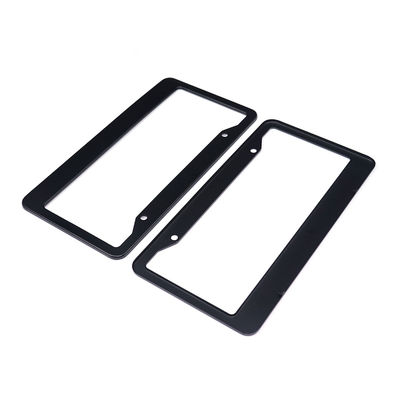
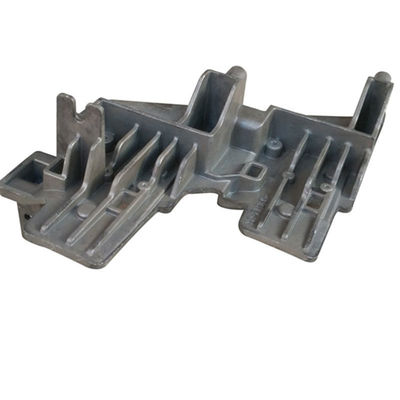
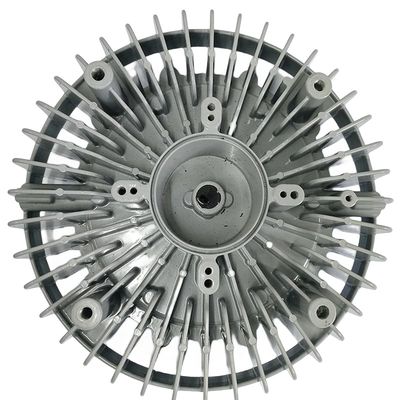
- Автомобильная промышленность (кузовные панели, детали двигателя)
- Строительство (оконные рамы, фасады)
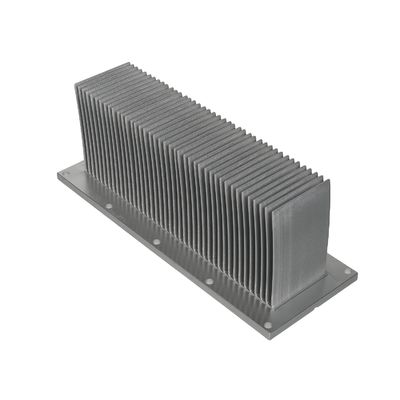
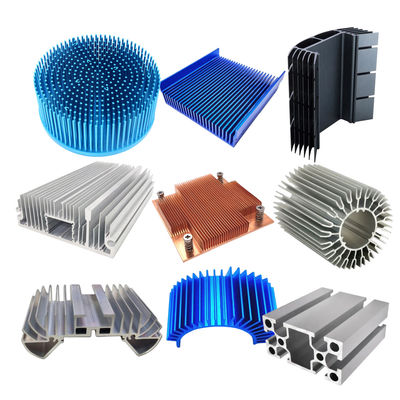
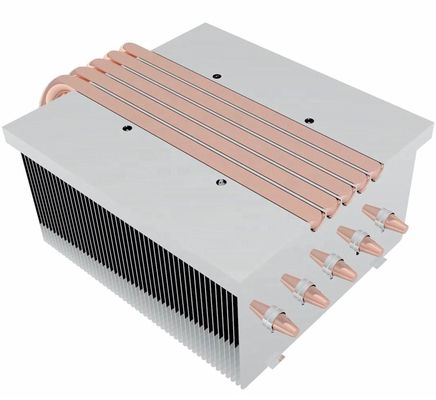
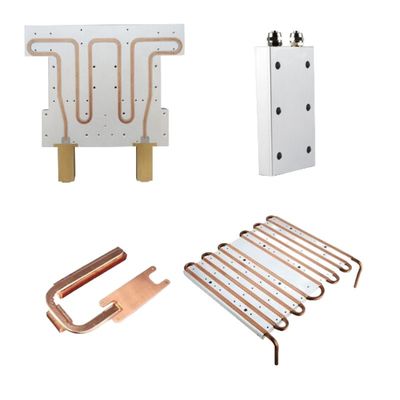
- Электроника (корпуса устройств, радиаторы)
- Упаковка (банки для напитков, контейнеры для пищевых продуктов)
По мере развития материаловедения продолжают появляться новые составы алюминиевых сплавов, обещающие еще более широкое применение в будущих технологиях.

 Ваше сообщение должно содержать от 20 до 3000 символов!