Have you ever wondered why airplane fuselages are so remarkably light yet incredibly strong? Or how beverage cans can withstand internal pressure while remaining easy to open? The answer lies in a remarkable material - aluminum alloy. This engineering marvel combines lightweight properties with exceptional strength, making it indispensable in countless modern applications.
Understanding Aluminum Alloys: Beyond Pure Aluminum
Aluminum alloys are created by combining aluminum with one or more other metallic elements. While pure aluminum is lightweight, it lacks sufficient strength for many industrial applications. By introducing elements like copper, manganese, silicon, magnesium, or zinc, engineers can dramatically enhance aluminum's properties, creating materials with specialized characteristics for various uses.
The Advantages of Aluminum Alloys
These materials offer numerous benefits that explain their widespread adoption:
-
Lightweight:
With a density of approximately 2.7g/cm³ (about one-third that of steel), aluminum alloys significantly reduce weight in transportation and aerospace applications.
-
Corrosion Resistance:
A natural oxide layer forms on aluminum surfaces, acting as protective armor that self-repairs when damaged.
-
Thermal and Electrical Conductivity:
Second only to copper in these properties, making them ideal for electronics and power transmission.
-
Workability:
Can be cast, extruded, or rolled into various forms to meet diverse manufacturing needs.
-
Sustainability:
Fully recyclable with low energy requirements during the recycling process.
While not without limitations - including lower melting points (around 660°C) and higher production costs compared to steel - aluminum alloys' advantages make them invaluable across industries.
Pure Aluminum vs. Aluminum Alloys: Key Differences
Pure aluminum (99%+ purity) offers excellent corrosion resistance and conductivity but lacks structural strength. Alloys maintain these beneficial properties while adding strength, hardness, and heat resistance through strategic elemental additions.
|
Material
|
Density (g/cm³)
|
Melting Point (°C)
|
Thermal Conductivity (W/m·°C)
|
Linear Expansion Coefficient (×10⁻⁶ /°C)
|
|
Pure Aluminum (99.5%)
|
2.7
|
650
|
225 (soft)
|
23.5
|
|
Aluminum Alloys (varies by type)
|
Varies
|
477-657
|
Varies
|
19.5-23.6
|
The Aluminum Alloy Family: Classification and Applications
Aluminum alloys are categorized using a four-digit numbering system that identifies their composition and characteristics:
1000 Series: Pure Aluminum
Highest purity (99%+ aluminum), excellent conductivity and corrosion resistance, but low strength. Used in electrical components and heat exchangers.
2000 Series: Copper Alloys
Heat-treatable for high strength (e.g., "Duralumin" A2017), though with reduced corrosion resistance. Common in aerospace structures.
3000 Series: Manganese Alloys
Moderate strength with good corrosion resistance. Found in beverage cans and building materials.
4000 Series: Silicon Alloys
Excellent heat resistance and low thermal expansion. Used in automotive engine components.
5000 Series: Magnesium Alloys
Strong, corrosion-resistant, with superior weldability. Ideal for marine applications.
6000 Series: Magnesium-Silicon Alloys
Heat-treatable with balanced properties. Widely used in architectural and automotive applications.
7000 Series: Zinc Alloys
Highest strength alloys (e.g., A7075 "Super Duralumin"), though less corrosion-resistant. Critical for aerospace structures.
8000 Series: Specialty Alloys
Includes innovative compositions like aluminum-lithium alloys for specialized applications.
Surface Treatments: Enhancing Performance
-
Anodizing:
Creates a protective oxide layer that can be dyed for color.
-
Electroplating:
Adds metal coatings for enhanced properties.
-
Powder Coating:
Applies durable organic finishes.
Selecting the Right Alloy
Choosing the appropriate aluminum alloy requires considering:
-
Strength needs:
2000 or 7000 series for high-load applications
-
Corrosion resistance:
5000 series or anodized treatments
-
Formability:
6000 series for complex shapes
-
Weldability:
5000 or 7000 series
Ubiquitous Applications
-
Aerospace (aircraft structures, spacecraft components)
-
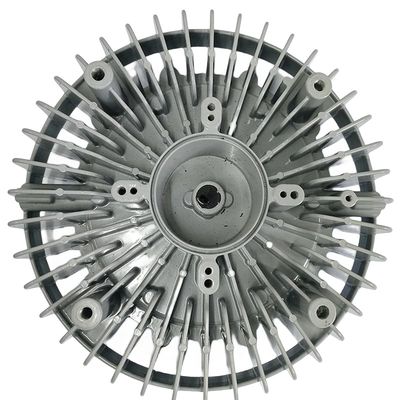
Automotive (body panels, engine parts)
-
Construction (window frames, facades)
-
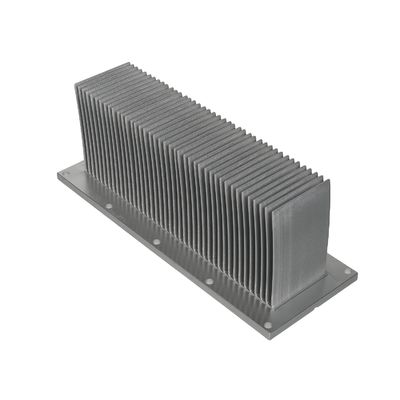
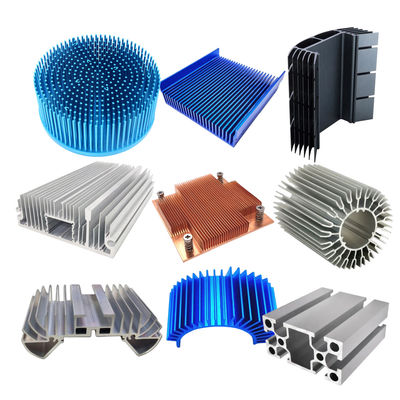
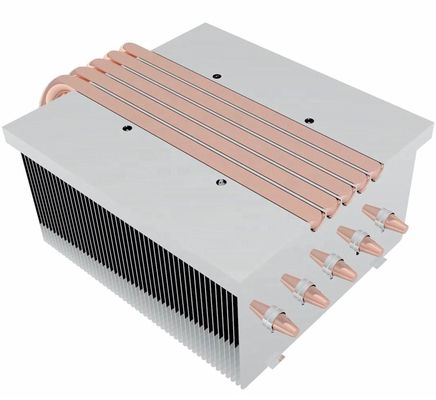
Electronics (device housings, heat sinks)
-
Packaging (beverage cans, food containers)
As material science advances, new aluminum alloy formulations continue to emerge, promising even broader applications in future technologies.

 Your message must be between 20-3,000 characters!