Критическая важность терморегулирования в электронике
В нашем технологически развитом мире электронные устройства стали повсеместными в повседневной жизни. От смартфонов и планшетов до высокопроизводительных ноутбуков и серверов — эти устройства предоставляют необходимые услуги. Однако по мере роста производительности увеличивается и энергопотребление, что приводит к выделению значительного количества тепла, которое должно быть эффективно рассеяно, чтобы предотвратить снижение производительности, нестабильность системы или отказ оборудования.
Понимание тепловыделения в электронике
Основным источником тепла в электронных устройствах является джоулево тепло — тепловая энергия, выделяющаяся при протекании тока через резистивные компоненты. Современные конструкции систем-на-чипе (SoC) объединяют миллиарды транзисторов, которые в совокупности генерируют значительные тепловые нагрузки во время работы. Без надлежащего рассеивания накопленное тепло снижает производительность компонентов, ускоряет старение и может вызвать необратимые повреждения.
Основы теплопередачи
Эффективное терморегулирование основано на трех механизмах теплопередачи:
Теплопроводность:
Теплопередача путем прямого взаимодействия молекул внутри материалов, зависящая от коэффициентов теплопроводности.
Конвекция:
Теплопередача посредством движения жидкости, естественным путем за счет разницы плотностей или принудительно с помощью вентиляторов.
Излучение:
Передача электромагнитной энергии, зависящая от свойств поверхности и температуры.
Современные системы охлаждения стратегически сочетают эти механизмы для достижения оптимальной тепловой производительности.
Комплексный анализ охлаждающих материалов
В электронной промышленности используются в основном три категории тепловых материалов:
1. Металлические решения для охлаждения
Металлы остаются эталоном по теплопроводности:
Медь:
Обладая исключительной проводимостью (401 Вт/м·К), медь является премиальным выбором для высокопроизводительных приложений, таких как тепловые трубки и паровые камеры. Ее превосходные теплопередающие способности достигаются за счет более высокой стоимости и веса.
Алюминий:
Предлагая сбалансированную производительность (205 Вт/м·К) при меньшем весе и более низкой стоимости, алюминий доминирует в решениях для охлаждения потребительской электроники.
|
Материал
|
Теплопроводность (Вт/м·К)
|
|
Серебро
|
429
|
|
Медь
|
401
|
|
Алюминий
|
205
|
2. Керамические тепловые решения
Керамика, такая как нитрид алюминия (170-230 Вт/м·К), обеспечивает уникальные свойства электрической изоляции, необходимые для мощных светодиодных модулей и полупроводниковых устройств. Хотя керамика более хрупкая, чем металлы, она превосходно работает в высокотемпературных и агрессивных средах.
3. Охлаждение на основе графита
Анизотропная структура графита обеспечивает исключительную проводимость в плоскости (800-1500 Вт/м·К), оставаясь тонким и гибким. Эти характеристики делают его идеальным для приложений с ограниченным пространством, таких как смартфоны и носимые устройства.
Графен:
Будучи новым двумерным материалом с экстраординарной проводимостью (5300 Вт/м·К), графен представляет собой будущее сверхвысокопроизводительного охлаждения для передовых вычислительных систем и электромобилей.
Критерии выбора материалов
Выбор оптимальных охлаждающих материалов требует оценки множества факторов:
Тепловая производительность:
Основной фактор, сбалансированный с учетом ограничений по стоимости.
Вес и пространство:
Критически важно для мобильных и аэрокосмических приложений, где превосходно себя показывают алюминий и графит.
Стойкость к условиям окружающей среды:
Долговечность материала в условиях эксплуатации.
Электрические свойства:
Требования к изоляции определяют использование керамики в определенных приложениях.
Производительность:
Легкость изготовления требуемых геометрических форм.
Разработка современных систем охлаждения
Помимо выбора материалов, эффективное терморегулирование требует:
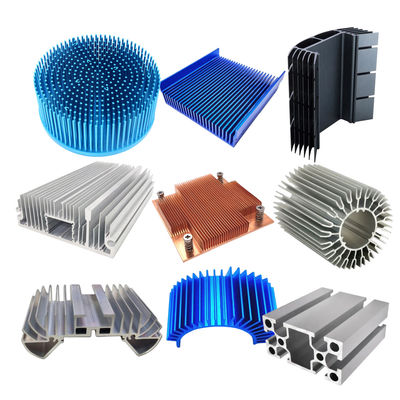
Оптимизированная геометрия радиатора:
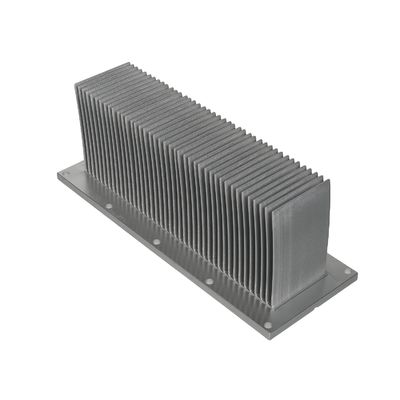
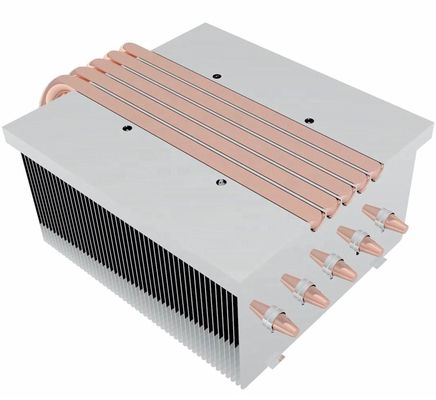
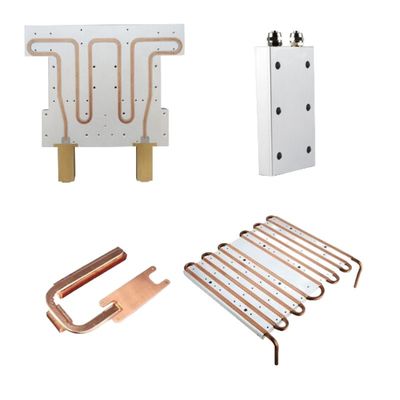
Максимизация площади поверхности за счет ребер, тепловых трубок или паровых камер.
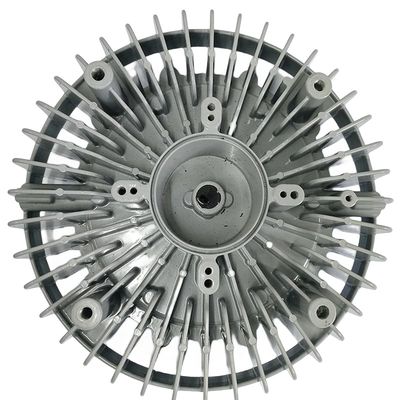
Решения с принудительной конвекцией:
Стратегическое размещение вентиляторов и управление воздушным потоком.
Новые технологии:
Микроканальное охлаждение, жидкостное охлаждение и фазово-изменяемые материалы представляют собой будущие направления.
Заключение
Правильный выбор тепловых материалов составляет основу эффективного охлаждения электроники. Независимо от того, приоритетом является ли проводимость меди, изоляция керамики или гибкость графита, обоснованные решения значительно повышают производительность и долговечность устройств. По мере дальнейшего развития электроники инновационные решения для охлаждения будут оставаться необходимыми для надежной работы.

 Ваше сообщение должно содержать от 20 до 3000 символов!