اهمیت حیاتی مدیریت حرارتی در الکترونیک
در دنیای مبتنی بر فناوری ما، دستگاههای الکترونیکی در زندگی روزمره فراگیر شدهاند. از تلفنهای هوشمند و تبلتها گرفته تا لپتاپهای با کارایی بالا و سرورها، این دستگاهها خدمات ضروری را ارائه میدهند. با این حال، با افزایش قابلیتهای عملکردی، مصرف برق نیز افزایش مییابد و گرمای قابل توجهی تولید میکند که باید به طور مؤثر دفع شود تا از کاهش عملکرد، ناپایداری سیستم یا خرابی سختافزار جلوگیری شود.
درک تولید گرما در الکترونیک
منبع اصلی گرما در دستگاههای الکترونیکی از گرمایش ژول ناشی میشود - انرژی حرارتی که هنگام عبور جریان از اجزای مقاوم تولید میشود. طرحهای مدرن سیستم-روی-چیپ (SoC) میلیاردها ترانزیستور را ادغام میکنند که در مجموع بارهای حرارتی قابل توجهی را در حین کار تولید میکنند. بدون دفع مناسب، گرمای انباشته شده عملکرد قطعات را کاهش میدهد، پیری را تسریع میکند و ممکن است باعث آسیب دائمی شود.
مبانی انتقال حرارت
مدیریت حرارتی مؤثر به سه مکانیزم انتقال حرارت متکی است:
هدایت:
انتقال حرارت از طریق برهمکنش مستقیم مولکولی در مواد، وابسته به ضرایب هدایت حرارتی.
همرفت:
انتقال حرارت از طریق حرکت سیال، چه به طور طبیعی از طریق تفاوت چگالی و چه به صورت اجباری با استفاده از فنها.
تابش:
انتقال انرژی الکترومغناطیسی وابسته به خواص سطح و دما.
سیستمهای خنککننده مدرن به طور استراتژیک این مکانیزمها را برای عملکرد حرارتی بهینه ترکیب میکنند.
تحلیل جامع مواد خنککننده
صنعت الکترونیک عمدتاً از سه دسته مواد حرارتی استفاده میکند:
۱. راهحلهای خنککننده فلزی
فلزات همچنان معیار هدایت حرارتی هستند:
مس:
مس با هدایت استثنایی (۴۰۱ وات بر متر کلوین) انتخاب برتر برای کاربردهای با کارایی بالا مانند لولههای حرارتی و محفظههای بخار است. قابلیتهای انتقال حرارت برتر آن با هزینه و وزن بالاتر همراه است.
آلومینیوم:
آلومینیوم با ارائه عملکرد متعادل (۲۰۵ وات بر متر کلوین) با وزن کمتر و هزینه پایینتر، راهحلهای خنککننده الکترونیک مصرفی را غالب کرده است.
|
ماده
|
هدایت حرارتی (وات بر متر کلوین)
|
|
نقره
|
۴۲۹
|
|
مس
|
۴۰۱
|
|
آلومینیوم
|
۲۰۵
|
۲. راهحلهای حرارتی سرامیکی
سرامیکهایی مانند نیترید آلومینیوم (۱۷۰-۲۳۰ وات بر متر کلوین) خواص عایق الکتریکی منحصر به فردی را ارائه میدهند که برای ماژولهای LED با توان بالا و دستگاههای نیمههادی ضروری است. در حالی که سرامیکها شکنندهتر از فلزات هستند، در محیطهای با دمای بالا و خورنده برتری دارند.
۳. خنککننده مبتنی بر گرافیت
ساختار ناهمسانگرد گرافیت، هدایت عالی در صفحه (۸۰۰-۱۵۰۰ وات بر متر کلوین) را امکانپذیر میسازد در حالی که نازک و انعطافپذیر باقی میماند. این ویژگیها آن را برای کاربردهای با فضای محدود مانند تلفنهای هوشمند و دستگاههای پوشیدنی ایدهآل میکند.
گرافن:
گرافن به عنوان یک ماده دو بعدی نوظهور با هدایت فوقالعاده (۵۳۰۰ وات بر متر کلوین)، آینده خنککننده فوقالعاده با کارایی بالا را برای محاسبات پیشرفته و کاربردهای خودروهای الکتریکی نشان میدهد.
معیارهای انتخاب مواد
انتخاب مواد خنککننده بهینه نیازمند ارزیابی عوامل متعددی است:
عملکرد حرارتی:
ملاحظه اصلی، متعادل با محدودیتهای هزینه.
وزن و فضا:
برای کاربردهای موبایل و هوافضا که آلومینیوم و گرافیت در آنها برتری دارند، حیاتی است.
مقاومت محیطی:
دوام مواد تحت شرایط عملیاتی.
خواص الکتریکی:
الزامات عایقبندی، استفاده از سرامیک را در برخی کاربردها تعیین میکند.
قابلیت ساخت:
سهولت ساخت به اشکال هندسی مورد نیاز.
طراحی سیستم خنککننده پیشرفته
فراتر از انتخاب مواد، مدیریت حرارتی مؤثر نیازمند موارد زیر است:
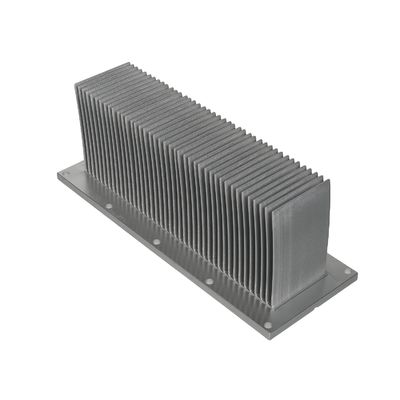
هندسه بهینه هیت سینک:
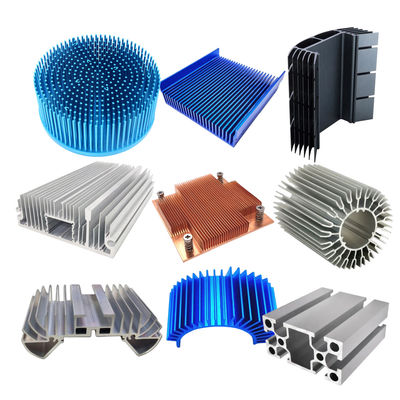
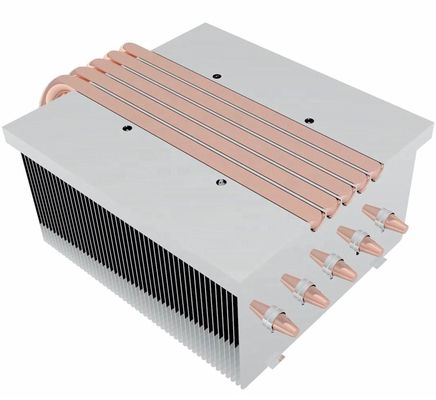
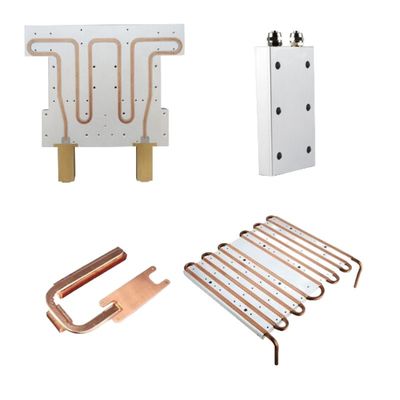
به حداکثر رساندن سطح با استفاده از پرهها، لولههای حرارتی یا محفظههای بخار.
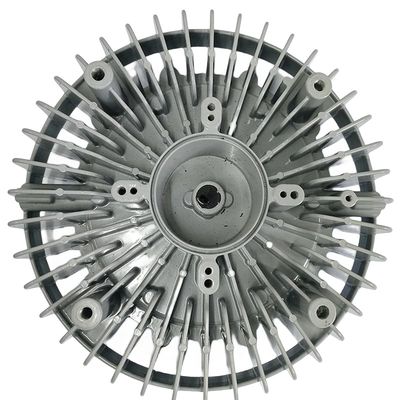
راهحلهای همرفت اجباری:
محل قرارگیری استراتژیک فن و مدیریت جریان هوا.
فناوریهای نوظهور:
خنککننده میکروکانالی، خنککننده مایع و مواد تغییر فاز، جهتگیریهای آینده را نشان میدهند.
نتیجهگیری
انتخاب صحیح مواد حرارتی، اساس خنککننده مؤثر الکترونیک را تشکیل میدهد. چه اولویتبندی هدایت مس، عایق سرامیکها، یا انعطافپذیری گرافیت، انتخابهای آگاهانه به طور قابل توجهی عملکرد و طول عمر دستگاه را افزایش میدهند. با پیشرفت مداوم الکترونیک، راهحلهای خنککننده نوآورانه برای عملکرد قابل اعتماد ضروری خواهند بود.

 پیام شما باید بین 20 تا 3000 کاراکتر باشد!