Анодированный алюминий: неизвестный герой современной архитектуры
Представьте себе это: когда заходит солнце, небоскребы блестят золотыми оттенками, а их фасады не тронуты годами.Представьте себе оживленные торговые центры, на которых, несмотря на постоянное скопление людей, входные этажи сохраняют зеркальное оформление.Это не магия, это научное чудо анодированного алюминия, которое преображает современную архитектуру.
Алхимический процесс: объяснение анодирования
Анодирование представляет собой нечто большее, чем поверхностная обработка - это полный метаморфоз алюминия.резко повышает твердость, износостойкость и коррозионная защита.
Этот оксидный слой молекулярно связывается с основным металлом, становясь неотъемлемой частью самого материала.анодированные поверхности обеспечивают постоянную защиту без деламинирования.
Почему архитекторы выбирают анодированный алюминий
Непревзойденная долговечность
С твердостью, сравнимой с сапфиром, анодированный алюминий выдерживает царапины, шлифование и коррозию.эти поверхности сохраняют свой первозданный вид на протяжении десятилетий.
Минимальное обслуживание
Непорная поверхность устойчива к окрашиванию и требует только периодической очистки, что значительно снижает долгосрочные затраты на обслуживание по сравнению с окрашенными или покрытыми порошком альтернативами.
Устойчивость окружающей среды
В качестве инертного, нетоксичного материала, полностью поддающегося переработке без потери качества, анодированный алюминий способствует достижению целей сертификации LEED и устойчивой строительной практике.
Эстетическая универсальность
От шампанского золота до бронзы и черного, анодирование предлагает широкий выбор цветов.позволяет создавать отличительные архитектурные заявления;.
Характеристики поверхности: визуальное и функциональное превосходство
Анодированный алюминий обычно проходит экологически чистую гравировку для создания однородных матовых отделений, которые уменьшают блики при сохранении сложного внешнего вида.
Прозрачное анодирование:Сохраняет естественный металлический блеск алюминия, идеально подходит для современных дизайнов, подчеркивающих чистые линии и минималистическую эстетику.
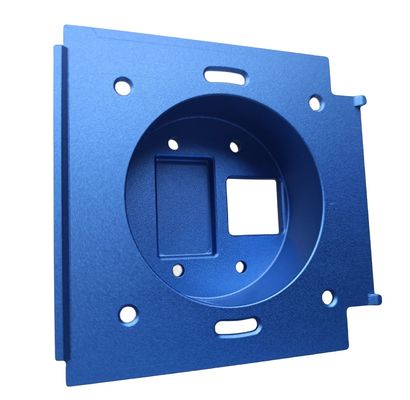
Цветная анодировка:Благодаря погружению металлической соли различные оттенки проникают в пористую структуру оксидного слоя.
Стандарты качества: класс I против класса II
Стандарт AAMA 611, разработанный Альянсом индустрии окон и остекления, классифицирует архитектурное анодирование в две основные категории на основе толщины слоя оксида:
-
Класс II:Толщина минимум 0,4 миллиметра (10 микрон), подходящая для внутренних или легких наружных применений с регулярным обслуживанием
-
Класс I:Толщина минимум 0,7 миллиметра (18 микрон), предназначенная для суровой среды, включая прибрежные районы
Следует отметить, что класс I должен выдерживать 3000-часовое испытание соляными спреями по сравнению с требованиями класса II 1000 часов, демонстрируя превосходную коррозионную стойкость.
Сравнение показателей
| Характеристика |
Класс I |
Класс II |
| Толщина оксида |
≥ 0,7 миллиметра (18 мкм) |
≥ 0,4 миллиметра (10 мкм) |
| Экология |
Сильное воздействие на внешний мир |
Внутренняя/мягкая внешняя |
| Устойчивость к коррозии |
3000-часовой солевой спрей |
1000-часовой солевой спрей |
| Выбор цвета |
Полный спектр |
Обычно чисто |
| Заявления |
Фасады, шторы |
Особенности интерьера |
Выбор правильной спецификации
Спецификация материала зависит от воздействия окружающей среды и требований к производительности:
Класс IIслужит адекватно для защищенных внутренних применений, где происходит регулярная очистка, в то время какКласс IОчень важно для наружных оболочек зданий, подверженных воздействию экстремальных погодных условий.
Военная спецификация MIL-PRF-8625 использует другую классификацию (тип I-III) для оборонных приложений, не связанных с архитектурными стандартами.
Будущее архитектурных металлов
Поскольку городская среда требует материалов, сочетающих долговечность с эстетической гибкостью, анодированный алюминий продолжает набирать популярность.Его способность сохранять внешний вид без защитных покрытий делает его все более важным для устойчивого, архитектура с низким уровнем обслуживания.

 Ваше сообщение должно содержать от 20 до 3000 символов!