Eloksallı Alüminyum: Modern Mimarinin Gizli Kahramanı
Şöyle bir düşünün: Güneş batarken, gökdelenler altın tonlarında parlıyor, cepheleri yıllarca hava koşullarına maruz kalmış olmasına rağmen bozulmamış. Sürekli insan trafiğine rağmen ayna gibi parlaklığını koruyan, yoğun kullanılan giriş zeminlerine sahip hareketli alışveriş merkezlerini hayal edin. Bu sihir değil; modern mimariyi dönüştüren eloksallı alüminyumun bilimsel harikası.
Simyasal Süreç: Eloksallama Açıklaması
Eloksallama, yüzey işleminden daha fazlasıdır; alüminyumun tam bir metamorfozudur. Elektrokimyasal işlemlerle, metalin yüzeyinde yoğun bir alüminyum oksit tabakası oluşur, bu da sertliği, aşınma direncini ve korozyon korumasını önemli ölçüde artırır.
Bu oksit tabakası, ana metal ile moleküler olarak bağlanır ve malzemenin kendisinin ayrılmaz bir parçası haline gelir. Soyulma riski taşıyan geleneksel kaplamaların aksine, eloksallı yüzeyler ayrılma olmaksızın kalıcı koruma sağlar.
Mimarlar Neden Eloksallı Alüminyum Tercih Ediyor?
Eşsiz Dayanıklılık
Safirle karşılaştırılabilir sertliğiyle eloksallı alüminyum çizilmelere, aşınmaya ve korozyona karşı dayanıklıdır. Toplu taşıma merkezleri veya ticari girişler gibi yoğun kullanılan alanlarda bile bu yüzeyler on yıllarca bozulmamış görünümlerini korur.
Minimum Bakım
Gözeneksiz yüzey lekelenmeye dirençlidir ve yalnızca periyodik temizlik gerektirir; boyalı veya toz boyalı alternatiflere kıyasla uzun vadeli bakım maliyetlerini önemli ölçüde azaltır.
Çevresel Sürdürülebilirlik
Kalite kaybı olmaksızın tamamen geri dönüştürülebilen, inert, toksik olmayan bir malzeme olarak eloksallı alüminyum, LEED sertifikası hedeflerine ve sürdürülebilir bina uygulamalarına katkıda bulunur.
Estetik Çeşitlilik
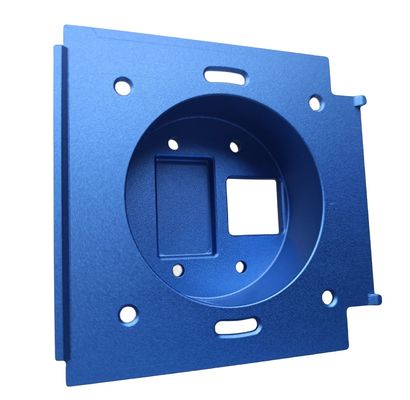
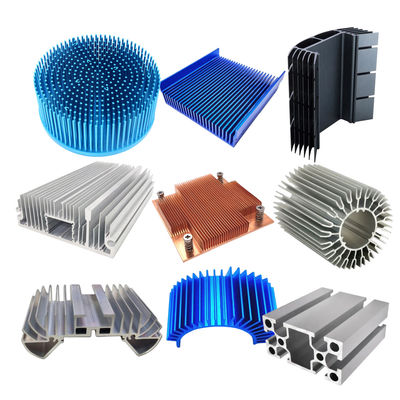
Şampanya altından bronz ve siyaha kadar eloksallama geniş renk seçenekleri sunar. Özel işlemler, bakır tonları veya bordo kırmızısı gibi benzersiz yüzeyler elde edebilir, bu da ayırt edici mimari ifadeler sağlar.
Yüzey Özellikleri: Görsel ve Fonksiyonel Mükemmellik
Eloksallı alüminyum, genellikle parlaklığı azaltan ancak sofistike bir görünüm sağlayan düz mat yüzeyler oluşturmak için çevre dostu bir aşındırma işleminden geçer. İki ana estetik yaklaşım mevcuttur:
Şeffaf Eloksallama:
Temiz çizgileri ve minimalist estetiği vurgulayan çağdaş tasarımlar için ideal olan alüminyumun doğal metalik parlaklığını korur.
Renkli Eloksallama:
Metalik tuz banyosuna daldırma yoluyla, çeşitli renkler oksit tabakasının gözenekli yapısına nüfuz eder. Renk yoğunluğu, işlem süresi ve metal birikimi kontrolü ile ayarlanır.
Kalite Standartları: Sınıf I ve Sınıf II
Pencere ve Cam Endüstrisi Birliği (Fenestration and Glazing Industry Alliance) tarafından geliştirilen AAMA 611 standardı, oksit tabakasının kalınlığına göre mimari eloksallamayı iki ana kategoriye ayırır:
-
Sınıf II:
Minimum 0,4 mil (10 mikron) kalınlık, iç mekan veya düzenli bakımla hafif dış mekan uygulamaları için uygundur.
-
Sınıf I:
Minimum 0,7 mil (18 mikron) kalınlık, kıyı bölgeleri dahil zorlu ortamlar için tasarlanmıştır.
Özellikle, Sınıf I, Sınıf II'nin 1000 saatlik gereksinimine karşılık 3000 saatlik tuz püskürtme testine dayanmalıdır, bu da üstün korozyon direnci gösterir.
Performans Karşılaştırması
|
Özellik
|
Sınıf I
|
Sınıf II
|
|
Oksit Kalınlığı
|
≥ 0,7 mil (18µm)
|
≥ 0,4 mil (10µm)
|
|
Ortam
|
Şiddetli dış mekan maruziyeti
|
İç mekan/hafif dış mekan
|
|
Korozyon Direnci
|
3000 saat tuz püskürtme
|
1000 saat tuz püskürtme
|
|
Renk Seçenekleri
|
Tam spektrum
|
Genellikle sadece şeffaf
|
|
Uygulamalar
|
Cepheler, giydirme cepheler
|
İç mekan özellikleri
|
Doğru Spesifikasyonu Seçmek
Malzeme spesifikasyonu, çevresel maruziyete ve performans gereksinimlerine bağlıdır:
Sınıf II
düzenli temizliğin yapıldığı korumalı iç mekan uygulamaları için yeterli olurken,
Sınıf I
hava koşullarına maruz kalan dış cepheler için vazgeçilmezdir.
Askeri spesifikasyon MIL-PRF-8625, savunma uygulamaları için mimari standartlarla ilgisi olmayan farklı sınıflandırmalar (Tip I-III) kullanır.
Mimari Metallerin Geleceği
Kentsel ortamlar uzun ömürlülüğü estetik esneklikle birleştiren malzemeler talep ettikçe, eloksallı alüminyum önem kazanmaya devam ediyor. Koruyucu kaplamalar olmadan görünümünü koruma yeteneği, onu sürdürülebilir, düşük bakım gerektiren mimari için giderek daha hayati hale getiriyor.

 Mesajınız 20-3.000 karakter arasında olmalıdır!