Los dispositivos electrónicos, especialmente los equipos de alto rendimiento, generan inevitablemente calor durante su funcionamiento.disminución de la estabilidadLos disipadores de calor y las placas de frío son dos soluciones primarias de gestión térmica, desempeñando un papel crucial en el mantenimiento de condiciones de funcionamiento óptimas para los dispositivos electrónicos.Este artículo ofrece un examen en profundidad de sus principios de funcionamiento, características y escenarios de aplicación para ayudar a los lectores a comprender mejor estas tecnologías de refrigeración y tomar decisiones informadas al seleccionar soluciones térmicas.
Las piedras angulares de la refrigeración electrónica
En los dispositivos electrónicos modernos, los disipadores de calor y las placas de frío tienen el propósito fundamental de mantener temperaturas de funcionamiento estables mediante la transferencia eficiente de calor de los componentes críticos.Los disipadores de calor suelen emplear diseños de aletas para maximizar la superficie para el contacto con el aireLas placas de frío utilizan placas metálicas y líquido de refrigeración circulante para absorber y transferir calor.haciendo que sean particularmente adecuados para escenarios de gestión térmica de alta intensidad.
Ambas tecnologías juegan un papel vital en varias industrias, incluida la computación de alto rendimiento, los vehículos eléctricos y las aplicaciones industriales.No sólo mejoran la eficiencia y la estabilidad del dispositivo, sino que también alargan significativamente la vida útil del producto. Understanding the working principles of heat sinks and cold plates proves essential for selecting appropriate thermal management systems and comprehending their applications in modern technology products.
Los disipadores de calor: la solución clásica para enfriar el aire
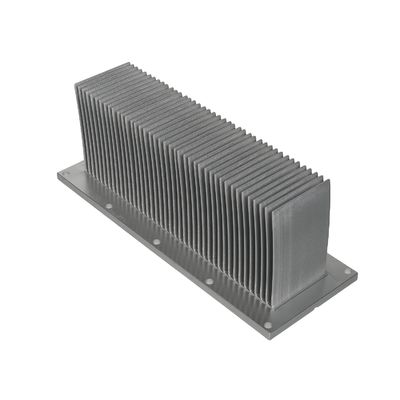
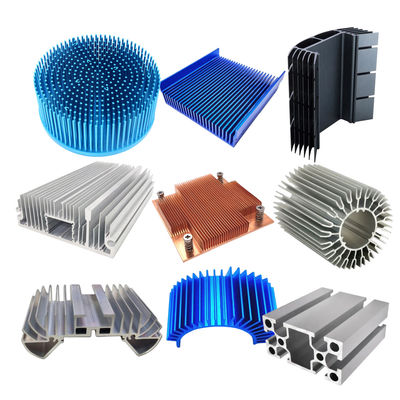
Los disipadores de calor representan componentes de gestión térmica ampliamente utilizados diseñados para transferir eficientemente el calor de los componentes electrónicos (como las CPU y las GPU) al entorno circundante.Por lo general construido a partir de metales altamente conductores como el aluminio o el cobre, los disipadores de calor cuentan con extensas matrices de aletas que aumentan el área de superficie para una mejor disipación de calor a través de tres mecanismos primarios de transferencia de calor:
-
Conducción:Transferencia de calor desde el componente a la base del disipador de calor, luego a través de la base a las aletas.
-
Convección:Transferencia de calor de las superficies de las aletas al aire circundante mediante convección natural o forzada (utilizando ventiladores).
-
Radiación:Una parte del calor se disipa a través de la radiación infrarroja de la superficie del disipador de calor.
Varios factores influyen en el rendimiento del disipador de calor, incluida la conductividad térmica del material, el número y la disposición de las aletas y la velocidad del flujo de aire.Los fabricantes a menudo integran ventiladores o dispositivos mecánicos para mejorar el flujo de aire en lo que se conoce como enfriamiento activo, mientras que el enfriamiento pasivo depende únicamente de la convección natural.
Los diseños de disipadores de calor varían significativamente según el método de construcción y el enfoque de enfriamiento:
-
Las demás:Soluciones rentables producidas mediante procesos de extrusión adecuadas para la producción en masa.
-
Dispositivos térmicos estampados:Fabricado estampando aletas de bloques metálicos, ofreciendo un rendimiento superior a las versiones extrudidas.
-
Los demás:Las aletas se soldan a las bases, lo que permite una mayor densidad de aletas y un mejor rendimiento térmico.
-
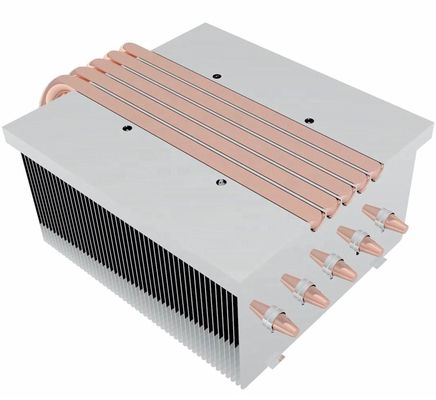
Las demás máquinas y aparatos para la fabricación de la siguiente:Utilice cámaras de vapor como placas de base para distribuir el calor de manera más uniforme en toda la superficie.
Placas de frío: la alternativa de enfriamiento líquido de alta eficiencia
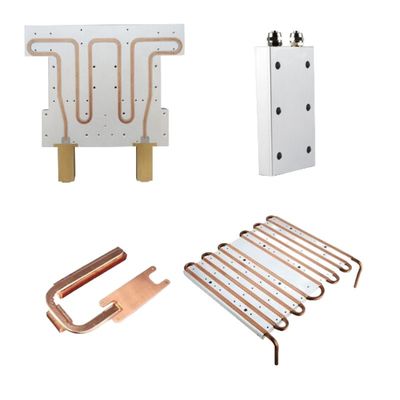
Las placas frías representan una tecnología avanzada de gestión térmica empleada principalmente en sistemas electrónicos de alta densidad de potencia.Las placas frías no dependen de la convección de aire, sino que utilizan el refrigerante circulante (generalmente agua o fluidos especializados) dentro de los canales internos para absorber y transferir calorConstruidas con materiales altamente conductores como el cobre o el aluminio, las placas de frío absorben eficientemente el calor de los componentes electrónicos a través de un proceso de tres etapas:
-
Absorción de calor:El refrigerante fluye a través de los canales internos, absorbiendo el calor por contacto con la placa metálica.
-
Transferencia de calor:El refrigerante calentado circula hacia radiadores o intercambiadores de calor externos para disipar la energía térmica.
-
Ciclo de enfriamiento:El líquido enfriado vuelve a repetir el proceso continuamente.
Los diseños de placas frías ofrecen una notable flexibilidad, lo que permite la personalización para satisfacer requisitos espaciales y térmicos específicos a través de varias configuraciones de canal (geometrías lineales, espirales o personalizadas).Las aplicaciones típicas incluyen:
- Componentes electrónicos de alta potencia (módulos IGBT, LED de potencia)
- Sistemas informáticos de alto rendimiento (CPU, GPU)
- Sistemas de vehículos eléctricos (baterías, controladores de motor)
- Equipos industriales (lasers, sistemas de soldadura)
Las principales ventajas de las placas de frío incluyen una capacidad de enfriamiento superior en aplicaciones de espacio limitado y alto flujo de calor y un control de temperatura más preciso para mejorar la confiabilidad del sistema.
Diferencias clave entre los disipadores de calor y las placas de frío
Si bien ambas tecnologías abordan las necesidades de refrigeración electrónica, difieren significativamente en diseño y funcionamiento.Los disipadores de calor dependen del contacto aire-superficie, mientras que las placas de frío utilizan la circulación interna de refrigerante.
| Características |
El disipador |
Placa fría |
| Método de enfriamiento |
Convección de aire/radiación |
Circulación de líquidos |
| Eficiencia de refrigeración |
Moderado (adecuado para dispositivos de potencia media) |
Alta (adecuada para dispositivos de alta potencia) |
| Requisitos de espacio |
Una huella más grande |
Diseño compacto |
| Peso |
Más ligero |
Más pesado |
| El coste |
Bajo |
Más alto |
| Aplicaciones |
Procesadores, GPU, fuentes de alimentación |
Electrónica de alta potencia, vehículos eléctricos, sistemas industriales |
| Mantenimiento |
Simple (eliminación del polvo) |
Complejo (monitoreo/reemplazo del refrigerante) |
Seleccionar la solución de enfriamiento adecuada
La elección entre disipadores de calor y placas de frío requiere una cuidadosa consideración de varios factores:
-
Carga térmica:Los dispositivos de alta potencia generalmente requieren placas frías, mientras que los sistemas de baja a media potencia pueden utilizar disipadores de calor.
-
Restricciones de espacio:Las placas de frío a menudo resultan más adecuadas para aplicaciones de espacio limitado.
-
Condiciones ambientales:Las placas de frío generalmente superan a los disipadores de calor en ambientes cerrados o de alta temperatura.
-
Consideraciones presupuestarias:Los disipadores de calor ofrecen opciones más económicas para proyectos sensibles a los costes.
-
Requisitos de fiabilidad:Los sistemas de placas de frío requieren un mayor mantenimiento para la calidad del refrigerante y la integridad de la circulación.
Conclusión
Tanto los disipadores de calor como las placas de frío desempeñan funciones esenciales en la gestión térmica electrónica.Los disipadores de calor siguen siendo ideales para la potencia media, aplicaciones de bajo coste con un espacio adecuado, mientras que las placas de frío sobresalen en entornos de alta potencia y espacio limitado que exigen un rendimiento de refrigeración superior.La comprensión de los principios y características de estas tecnologías permite una selección informada de soluciones térmicas que mejoran el rendimiento del dispositivo, estabilidad y longevidad.

 ¡Su mensaje debe tener entre 20 y 3.000 caracteres!