Οι ηλεκτρονικές συσκευές, ιδίως οι συσκευές υψηλών επιδόσεων, παράγουν αναπόφευκτα θερμότητα κατά τη διάρκεια της λειτουργίας τους.μειωμένη σταθερότηταΟι απορροφητές θερμότητας και οι ψυκτικές πλάκες χρησιμεύουν ως δύο πρωταρχικές λύσεις θερμικής διαχείρισης, διαδραματίζοντας κρίσιμο ρόλο στη διατήρηση βέλτιστων συνθηκών λειτουργίας για ηλεκτρονικές συσκευές.Αυτό το άρθρο παρέχει μια εις βάθος εξέταση των αρχών λειτουργίας τους, χαρακτηριστικά και σενάρια εφαρμογής για να βοηθήσει τους αναγνώστες να κατανοήσουν καλύτερα αυτές τις τεχνολογίες ψύξης και να λάβουν τεκμηριωμένες αποφάσεις κατά την επιλογή θερμικών λύσεων.
Οι Στίχοι της Ηλεκτρονικής Ψύξης
Στις σύγχρονες ηλεκτρονικές συσκευές, οι απορροφητές θερμότητας και οι ψυκτικές πλάκες έχουν τον βασικό σκοπό της διατήρησης σταθερών θερμοκρασιών λειτουργίας με την αποτελεσματική μεταφορά θερμότητας μακριά από κρίσιμα εξαρτήματα.Οι απορροφητές θερμότητας χρησιμοποιούν συνήθως σχέδια πτερυγίων για να μεγιστοποιήσουν την επιφάνεια για επαφή αέραΟι ψυχρές πλάκες χρησιμοποιούν μεταλλικές πλάκες και κυκλοφορούν ψυκτικό για την απορρόφηση και μεταφορά θερμότητας.καθιστώντας τους ιδιαίτερα κατάλληλους για σενάρια θερμικής διαχείρισης υψηλής έντασης.
Και οι δύο τεχνολογίες διαδραματίζουν ζωτικό ρόλο σε διάφορες βιομηχανίες, συμπεριλαμβανομένων των υπολογιστών υψηλών επιδόσεων, των ηλεκτρικών οχημάτων και των βιομηχανικών εφαρμογών.Αυξάνουν όχι μόνο την αποτελεσματικότητα και τη σταθερότητα της συσκευής, αλλά επίσης παρατείνουν σημαντικά τη διάρκεια ζωής του προϊόντος. Understanding the working principles of heat sinks and cold plates proves essential for selecting appropriate thermal management systems and comprehending their applications in modern technology products.
Θερμοαποχέτευση: Η κλασική λύση ψύξης αέρα
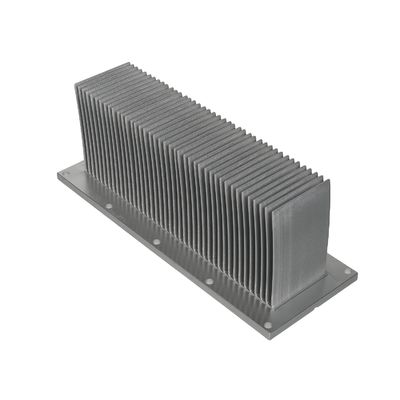
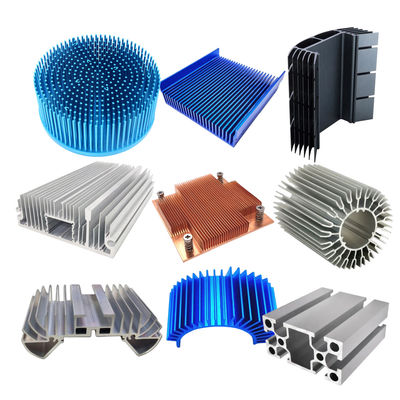
Οι απορροφητές θερμότητας αντιπροσωπεύουν ευρέως χρησιμοποιούμενα εξαρτήματα θερμικής διαχείρισης που έχουν σχεδιαστεί για την αποτελεσματική μεταφορά θερμότητας από ηλεκτρονικά εξαρτήματα (όπως CPU και GPU) στο περιβάλλον.Συνήθως κατασκευάζονται από πολύ αγωγικά μέταλλα όπως αλουμίνιο ή χαλκό, οι θερμολύφτες διαθέτουν εκτεταμένες σειρές πτερυγίων που αυξάνουν την επιφάνεια για βελτιωμένη διάχυση θερμότητας μέσω τριών κύριων μηχανισμών μεταφοράς θερμότητας:
-
Διοίκηση:Η θερμότητα μεταφέρεται από το συστατικό στη βάση του απορροφητήρα θερμότητας, στη συνέχεια μέσω της βάσης στα πτερύγια.
-
Συγκέντρωση:Μεταφορά θερμότητας από τις επιφάνειες των πτερύγων στον περιβάλλοντα αέρα μέσω φυσικής ή αναγκαστικής συγκέντρωσης (χρησιμοποιώντας ανεμιστήρες).
-
Ακτινοβολία:Ένα μέρος της θερμότητας εξαλείφεται μέσω της υπέρυθρης ακτινοβολίας από την επιφάνεια του απορροφητή.
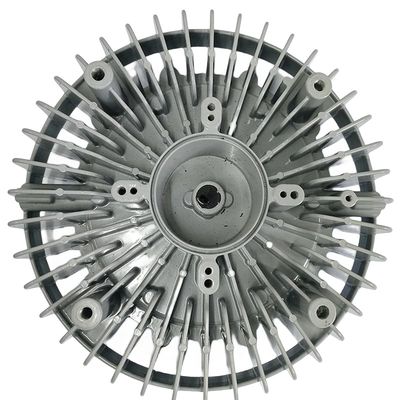
Αρκετοί παράγοντες επηρεάζουν τις επιδόσεις του συσσωρευτή θερμότητας, συμπεριλαμβανομένης της θερμικής αγωγιμότητας του υλικού, του αριθμού και της διάταξης πτερυγίων και της ταχύτητας ροής αέρα.Οι κατασκευαστές συχνά ενσωματώνουν ανεμιστήρες ή μηχανικές συσκευές για να βελτιώσουν την ροή του αέρα σε αυτό που είναι γνωστό ως ενεργητική ψύξη, ενώ η παθητική ψύξη βασίζεται αποκλειστικά στην φυσική σύμβαση.
Οι σχεδιασμοί απορροφητήρων θερμότητας ποικίλλουν σημαντικά ανάλογα με τη μέθοδο κατασκευής και την προσέγγιση ψύξης:
-
Εξαρτήματα για την κατασκευή ηλεκτρικών συσσωρευτώνΑποδοτικές από πλευράς κόστους λύσεις που παράγονται μέσω διαδικασιών εκτόξευσης κατάλληλες για μαζική παραγωγή.
-
Με σφραγίδα αποχέτευσης θερμότητας:Κατασκευάζεται με την τυποποίηση πτερύγων από μεταλλικά μπλοκ, προσφέροντας ανώτερη απόδοση σε σχέση με τις εκχυλισμένες εκδόσεις.
-
Πυροσβεστήρες με συνδεδεμένα πτερύγια:Τα πτερύγια είναι συγκολλημένα στις βάσεις, επιτρέποντας υψηλότερη πυκνότητα πτερύγων και βελτιωμένη θερμική απόδοση.
-
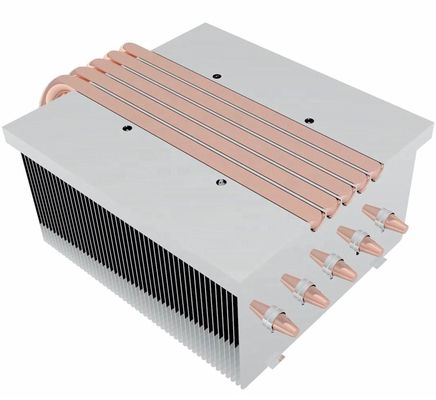
Θερμοκοιτίες θαλάμου ατμού:Χρησιμοποιήστε θαλάμους ατμού ως πλακέτες βάσης για να κατανέμετε την θερμότητα πιο ομοιόμορφα σε ολόκληρη την επιφάνεια.
Ψυχρές πλάκες: Η υψηλής απόδοσης εναλλακτική λύση ψύξης με υγρό
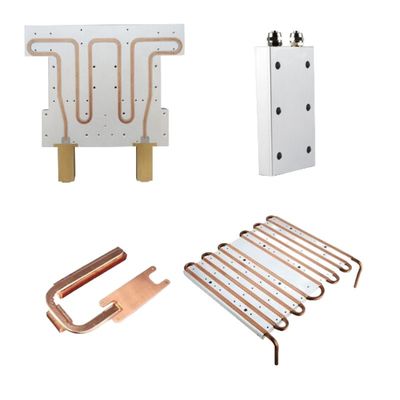
Οι ψυχρές πλάκες αντιπροσωπεύουν προηγμένη τεχνολογία διαχείρισης θερμότητας που χρησιμοποιείται κυρίως σε ηλεκτρονικά συστήματα υψηλής πυκνότητας ισχύος.Οι ψυχρές πλάκες δεν βασίζονται στην εκπομπή αέρα, αλλά χρησιμοποιούν κυκλοφορούν ψυκτικό υγρό (συνήθως νερό ή ειδικά υγρά) μέσα σε εσωτερικά κανάλια για να απορροφήσουν και να μεταφέρουν θερμότηταΟι ψυχρές πλάκες, κατασκευασμένες από υλικά υψηλής αγωγιμότητας όπως χαλκός ή αλουμίνιο, απορροφούν αποτελεσματικά τη θερμότητα από τα ηλεκτρονικά εξαρτήματα μέσω μιας διαδικασίας τριών σταδίων:
-
Απορρόφηση θερμότητας:Το ψυκτικό ρεύμα ρέει μέσω εσωτερικών καναλιών, απορροφώντας θερμότητα μέσω της επαφής με την μεταλλική πλάκα.
-
Μεταφορά θερμότητας:Το θερμαινόμενο ψυκτικό υγρό κυκλοφορεί σε εξωτερικούς ψυγείς ή ανταλλακτές θερμότητας για να εξαλείψει τη θερμική ενέργεια.
-
Κύκλος ψύξης:Το δροσερό υγρό επιστρέφει για να επαναλάβει τη διαδικασία συνεχώς.
Τα σχέδια ψυχρών πλάκων προσφέρουν αξιοσημείωτη ευελιξία, επιτρέποντας την προσαρμογή για να καλύψουν συγκεκριμένες χωρικές και θερμικές απαιτήσεις μέσω διαφόρων διαμορφώσεων καναλιών (γραμμικές, σπειροειδείς ή προσαρμοσμένες γεωμετρίες).Τυπικές εφαρμογές περιλαμβάνουν:
- Ηλεκτρονικά εξαρτήματα υψηλής ισχύος (μοδίες IGBT, LED ισχύος)
- Συστήματα υπολογιστών υψηλών επιδόσεων (CPU, GPU)
- Συστήματα ηλεκτρικών οχημάτων (μπαταρίες, ελεγκτές κινητήρα)
- Βιομηχανικός εξοπλισμός (λέιζερ, συστήματα συγκόλλησης)
Τα κύρια πλεονεκτήματα των ψυχρών πλακών περιλαμβάνουν ανώτερη ικανότητα ψύξης σε εφαρμογές περιορισμένου χώρου, υψηλής ροής θερμότητας και ακριβέστερο έλεγχο θερμοκρασίας για αυξημένη αξιοπιστία του συστήματος.
Βασικές Διαφορές Ανάμεσα στους Θερμοαπορροφητές και τις Ψυχρές Πλάκες
Ενώ και οι δύο τεχνολογίες ανταποκρίνονται στις ανάγκες ηλεκτρονικής ψύξης, διαφέρουν σημαντικά από άποψη σχεδιασμού και λειτουργίας.Οι απορροφητές θερμότητας βασίζονται στην επαφή επιφάνειας-αέρα, ενώ οι ψυκτικές πλάκες χρησιμοποιούν εσωτερική κυκλοφορία ψυκτικού.
| Χαρακτηριστικό |
Θερμοαποχέτευση |
Ψυχρή πλάκα |
| Μέθοδος ψύξης |
Συγκέντρωση αέρα/ακτινοβολία |
Κύκλο υγρών |
| Απόδοση ψύξης |
Μέτρια (κατάλληλη για συσκευές μεσαίας ισχύος) |
Υψηλή (κατάλληλη για συσκευές υψηλής ισχύος) |
| Απαιτήσεις χώρου |
Μεγαλύτερο αποτύπωμα |
Σύνθετο σχεδιασμό |
| Βάρος |
Ελαφρύτερο |
Πιο βαρύ |
| Κόστος |
Κάτω |
Πιο ψηλά |
| Εφαρμογές |
Συμπληρώματα επεξεργασίας (CPU), GPU, τροφοδοσίες |
Ηλεκτρονικά υψηλής ισχύος, ηλεκτρικά οχήματα, βιομηχανικά συστήματα |
| Διατήρηση |
Απλή (απομάκρυνση σκόνης) |
Σύνθετο (παρακολούθηση/αντικατάσταση ψυκτικού) |
Επιλογή της κατάλληλης λύσης ψύξης
Η επιλογή μεταξύ απορροφητήρων θερμότητας και ψυκτικών πλακών απαιτεί προσεκτική εξέταση πολλών παραγόντων:
-
Θερμικό φορτίο:Οι συσκευές υψηλής ισχύος απαιτούν συνήθως ψυχρές πλάκες, ενώ τα συστήματα χαμηλής έως μεσαίας ισχύος μπορούν να χρησιμοποιήσουν απορροφητήρες θερμότητας.
-
Περιορισμοί χώρου:Οι ψυκτικές πλάκες συχνά αποδεικνύονται πιο κατάλληλες για εφαρμογές περιορισμένου χώρου.
-
Περιβαλλοντικές συνθήκες:Οι ψυχρές πλάκες γενικά ξεπερνούν τους απορροφητές θερμότητας σε περιβάλλοντα υψηλής θερμοκρασίας ή κλειστού περιβάλλοντος.
-
Προϋπολογιστικές εκτιμήσεις:Οι απορροφητές θερμότητας αποτελούν πιο οικονομικές επιλογές για έργα με χαμηλό κόστος.
-
Απαιτήσεις αξιοπιστίας:Τα συστήματα ψύξης με πλάκες απαιτούν μεγαλύτερη συντήρηση για την ποιότητα του ψυκτικού υγρού και την ακεραιότητα της κυκλοφορίας.
Συμπεράσματα
Τόσο οι απορροφητές θερμότητας όσο και οι ψυκτικές πλάκες διαδραματίζουν ουσιαστικό ρόλο στην ηλεκτρονική θερμική διαχείριση.Οι απορροφητές θερμότητας παραμένουν ιδανικοί για μέση ισχύ, οικονομικές εφαρμογές με επαρκή χώρο, ενώ οι ψυκτικές πλάκες υπερέχουν σε περιβάλλοντα υψηλής ισχύος και περιορισμένου χώρου που απαιτούν ανώτερη απόδοση ψύξης.Η κατανόηση των αρχών και των χαρακτηριστικών αυτών των τεχνολογιών επιτρέπει τη συνειδητή επιλογή θερμικών λύσεων που βελτιώνουν τις επιδόσεις των συσκευών, σταθερότητα και μακροζωία.

 Το μήνυμά σας πρέπει να αποτελείται από 20-3.000 χαρακτήρες!