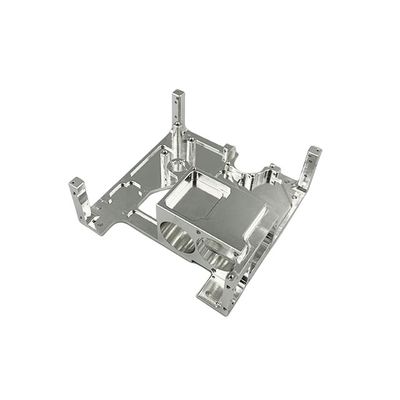
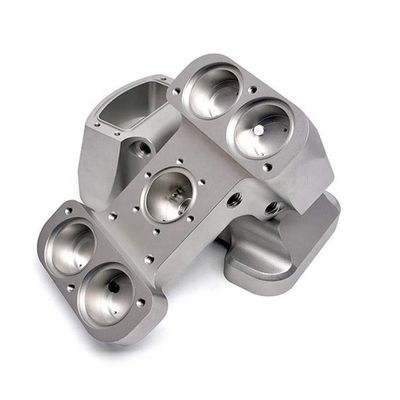
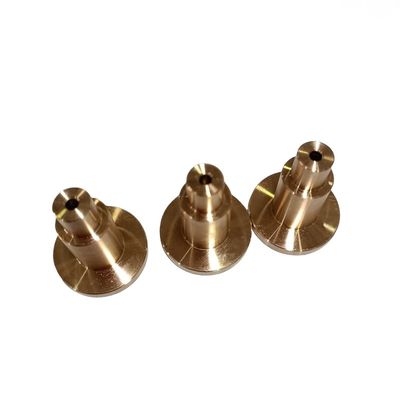
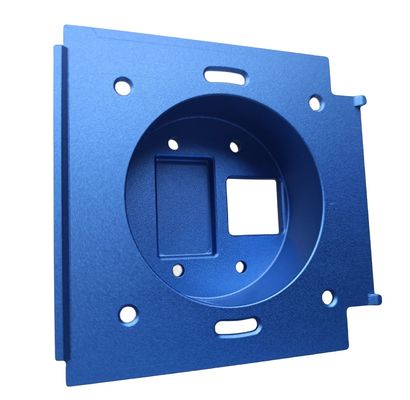
En la fabricación de precisión, la selección de materiales impacta directamente el rendimiento del producto, el costo y la eficiencia de producción. Para el mecanizado CNC (Control Numérico por Computadora), el latón y el aluminio son dos materiales metálicos predominantes, cada uno con propiedades físicas, químicas y mecánicas distintas adecuadas para diferentes aplicaciones. Este análisis proporciona a ingenieros y diseñadores una guía profesional de selección de materiales a través de una comparación exhaustiva de estos metales.
Introducción: El Peso de las Decisiones de Materiales
Considere diseñar una caja de altavoz de alta gama que requiera tanto pureza acústica como durabilidad estética, o desarrollar un chasis de dron que exija una optimización de la relación resistencia-peso para un tiempo de vuelo prolongado. Tales necesidades divergentes dictan diferentes elecciones de materiales. El latón, con su excelente resistencia a la corrosión, maquinabilidad y apariencia pulida, sobresale en componentes duraderos que requieren acabados superficiales de alta calidad. El aluminio, apreciado por sus propiedades ligeras, resistencia y rentabilidad, domina las aplicaciones aeroespaciales y automotrices. ¿Cómo deben los fabricantes evaluar estos materiales para el mecanizado CNC?
Latón: Excelencia Histórica en Rendimiento
El latón, una aleación de cobre y zinc con composiciones variables, ha servido a la humanidad desde la antigüedad. Sus propiedades equilibradas lo hicieron ideal para monedas, decoraciones y utensilios a lo largo de la historia.
Composición y Clasificación
El latón típico contiene 60%-90% de cobre y 10%-40% de zinc, con aditivos opcionales como plomo, estaño o manganeso que mejoran características específicas:
-
Latón estándar:
Aleaciones básicas de cobre-zinc (por ejemplo, H62, H68) para mecanizado y conformado general
-
Latón especial:
Mejorado con elementos como plomo (maquinabilidad mejorada) o estaño (resistencia a la corrosión marina)
-
Latón fundido:
Optimizado para procesos de fundición con fluidez superior
Propiedades Clave
El latón demuestra:
-
Densidad:
8.4-8.7 g/cm³
-
Conductividad:
25%-47% de cobre puro
-
Resistencia a la tracción:
300-600 MPa
-
Resistencia a la corrosión:
Excelente, excepto en ambientes ricos en amoníaco
Ventajas de Mecanizado
El latón ofrece un rendimiento CNC excepcional con bajas fuerzas de corte, rebabas mínimas y acabados superficiales superiores, particularmente las variedades con plomo de "libre mecanizado".
Aplicaciones
-
Accesorios de fontanería (válvulas, racores)
-
Componentes eléctricos (terminales, conectores)
-
Herrajes decorativos e instrumentos musicales
-
Mecanismos de relojería de precisión
Aluminio: El Campeón Ligero
Las aleaciones de aluminio, principalmente aluminio con aditivos de magnesio, silicio o zinc, ofrecen una relación resistencia-peso inigualable para las industrias modernas.
Categorías de Aleaciones
-
Aleaciones forjadas:
(Series 1xxx-7xxx) para chapa, extrusión y mecanizado
-
Aleaciones de fundición:
(por ejemplo, ZL101) para aplicaciones de fundición
Características de Rendimiento
El aluminio proporciona:
-
Densidad:
~2.7 g/cm³ (un tercio del latón)
-
Resistencia:
200-600 MPa (tratado térmicamente)
-
Resistencia a la corrosión:
Naturalmente resistente a la oxidación, mejorada por anodizado
Consideraciones de Mecanizado
Aunque generalmente es maquinable, el aluminio requiere una evacuación de virutas y lubricación adecuadas para evitar el agarrotamiento. Las velocidades de corte más altas compensan las propiedades del material más blando.
Aplicaciones Industriales
-
Estructuras y componentes aeroespaciales
-
Soluciones de aligeramiento automotriz
-
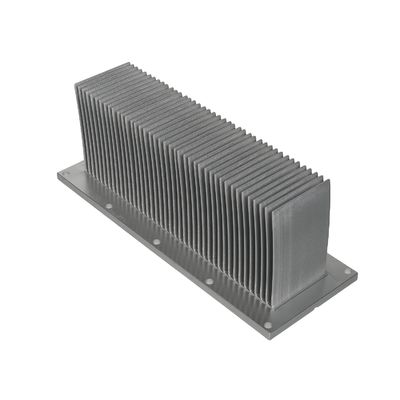
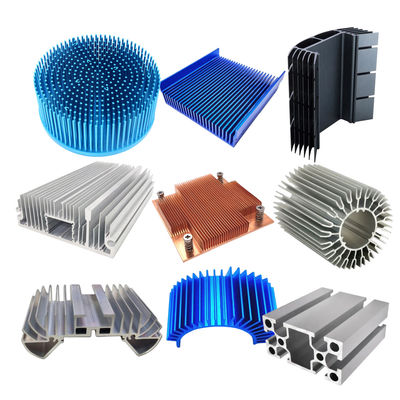
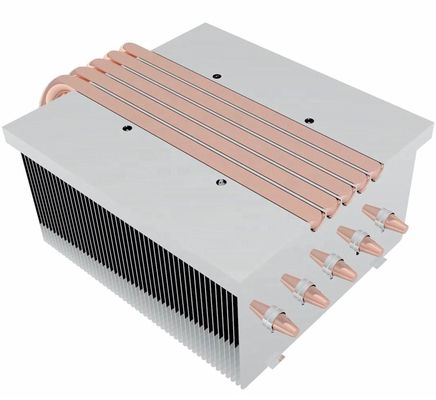
Cajas de electrónica y disipadores de calor
-
Sistemas arquitectónicos y embalajes sostenibles
Comparación de Mecanizado CNC
Factores críticos de mecanizado diferencian estos materiales:
-
Rendimiento de corte:
El latón ofrece acabados más suaves; el aluminio requiere trayectorias de herramienta optimizadas
-
Desgaste de la herramienta:
El latón acelera la degradación de la herramienta; el aluminio es más suave con los cortadores
-
Eficiencia de producción:
El mecanizado más rápido del aluminio a menudo compensa las menores necesidades de postprocesamiento del latón
Directrices de Selección de Materiales
Elija latón cuando priorice:
-
Resistencia a la corrosión en entornos hostiles
-
Acabados decorativos y conductividad eléctrica
-
Componentes de precisión con tolerancias ajustadas
Opte por aluminio cuando requiera:
-
Reducción de peso sin comprometer la estructura
-
Soluciones de gestión térmica
-
Producción de alto volumen sensible al costo
Conclusión: Toma de Decisiones Equilibrada
Ningún material supera universalmente al otro; la implementación exitosa requiere alinear las propiedades del material con las demandas de la aplicación. Los avances futuros en el desarrollo de aleaciones y las tecnologías de fabricación continuarán expandiendo las capacidades de ambos metales, asegurando su relevancia en los cambiantes paisajes industriales.

 ¡Su mensaje debe tener entre 20 y 3.000 caracteres!