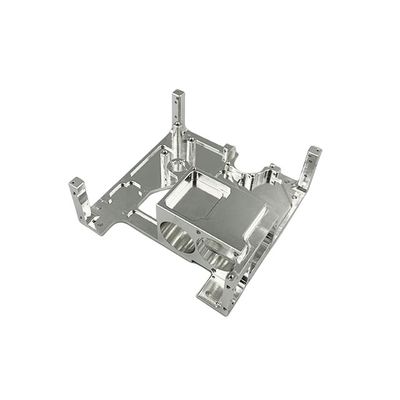
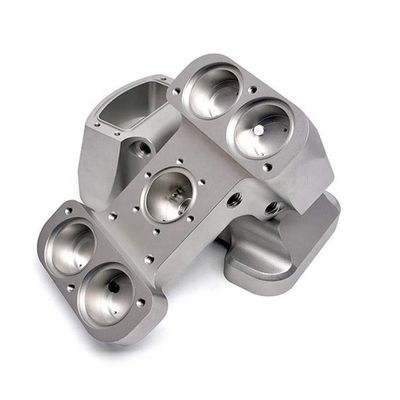
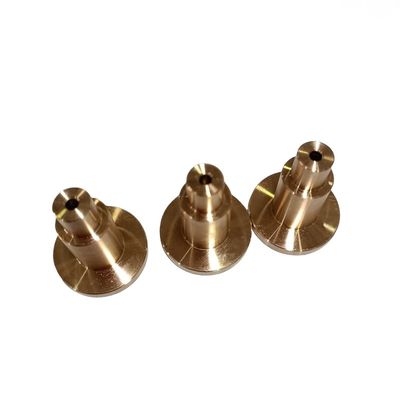
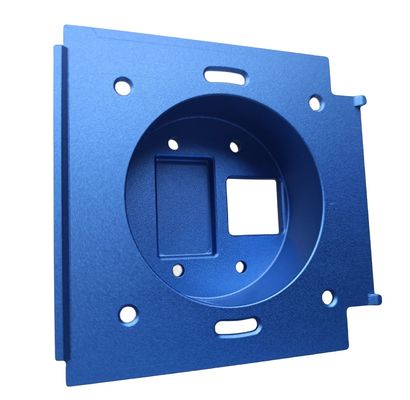
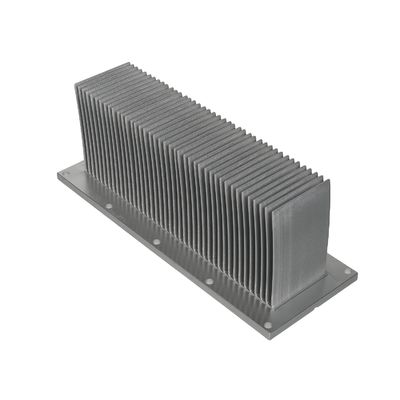
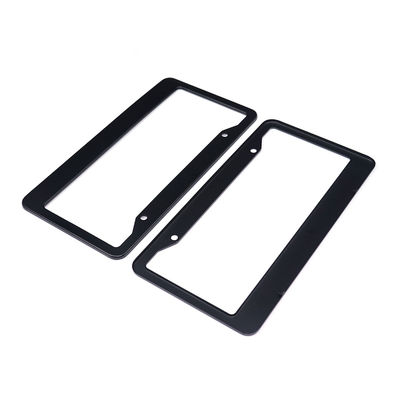
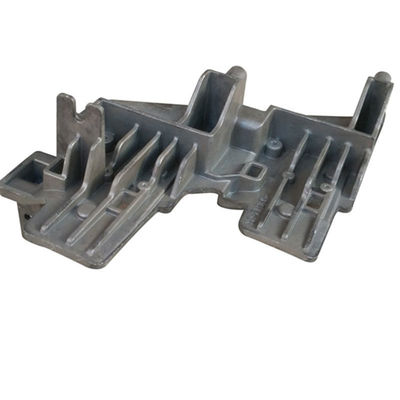
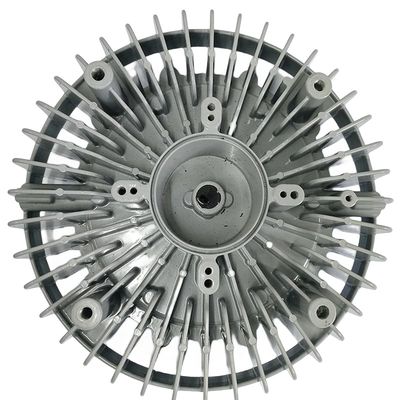
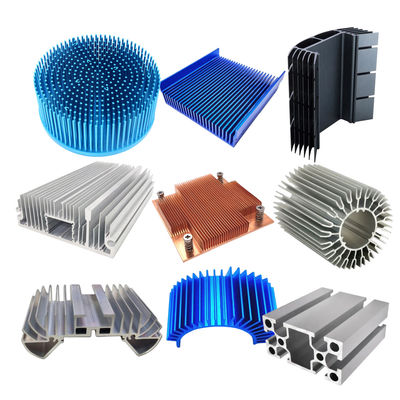
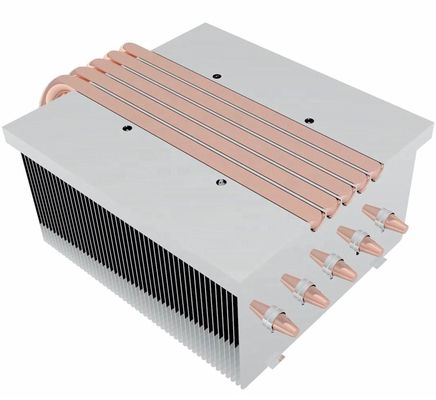
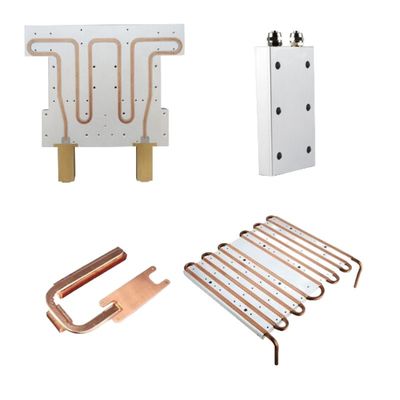
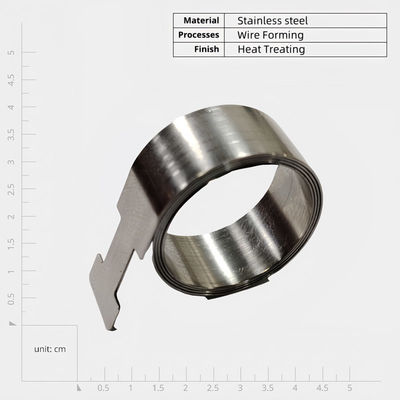
En el campo de la fabricación de precisión, los componentes de aluminio mecanizados CNC son muy valorados por sus propiedades de peso ligero, alta resistencia y facilidad de procesamiento.las superficies de aluminio sin tratar son vulnerables a la corrosión ambientalLa anodización, una tecnología madura y eficiente de tratamiento de superficies, mejora significativamente las propiedades clave de las piezas de aluminio.Desbloquear un mayor valor en todas las industrias.
La transformación: cómo el anodizado eleva las piezas de aluminio CNC
La anodización es un proceso electroquímico que forma una capa densa de óxido en superficies de aluminio, alterando sus características.Esta capa de óxido no sólo proporciona cualidades de protección excepcionales sino que también mejora tanto la funcionalidad como la estéticaEn comparación con los tratamientos de superficie tradicionales como la pintura o la galvanización, la anodización ofrece una resistencia a la unión superior, una mejor resistencia al desgaste y una vida útil prolongada.lo que lo convierte en la opción ideal para mejorar los componentes de aluminio CNC.
Siete ventajas clave del aluminio anodizado
El anodizado representa más que un simple tratamiento de la superficie, es una mejora integral del rendimiento de las piezas de aluminio CNC.Estas siete ventajas demuestran cómo la anodización logra una calidad y capacidad excepcionales:
1Resistencia excepcional a la corrosión: construir una defensa robusta
Aunque las aleaciones de aluminio resisten naturalmente la corrosión, siguen siendo vulnerables en ambientes hostiles con humedad, ácidos o álcalis.aislar eficazmente el sustrato de aluminio de los elementos corrosivosEsto permite que las piezas de aluminio CNC mantengan un funcionamiento estable en condiciones exigentes al tiempo que reducen las necesidades de mantenimiento y los costos totales de propiedad.
2Capacidad de adsorción mejorada: opciones de color y funcionalidad ilimitadas
La estructura porosa de las superficies anodizadas permite una excelente adsorción de tintes orgánicos e inorgánicos, creando opciones de colores vibrantes.Estos poros también pueden absorber materiales funcionales como lubricantes o recubrimientos para mejorar aún más el rendimientoEsta doble capacidad permite tanto la personalización estética como la mejora funcional de los componentes de aluminio.
3Resistencia al desgaste superior: rendimiento duradero a lo largo del tiempo
La alta dureza y densidad de las capas anodizadas proporcionan una resistencia excepcional a la fricción y el desgaste.Esta durabilidad permite a las piezas de aluminio CNC resistir el uso frecuente y condiciones exigentes, manteniendo la integridad de la superficieLos procesos de anodización especializados pueden aumentar aún más la dureza y la resistencia al desgaste para aplicaciones específicas.
4Excelente resistencia térmica: Resiste a las altas temperaturas
Las capas anodizadas tienen una conductividad térmica significativamente menor que los sustratos de aluminio, aislando eficazmente contra la transferencia de calor.Con capacidad para soportar temperaturas de hasta 1500°C, muy superiores a los 660°C de aluminio, las piezas anodizadas mantienen la estabilidad en ambientes de alta temperatura sin deformación ni daños.
5Aislamiento eléctrico fiable: garantizar la seguridad y la estabilidad
Mientras que el aluminio conduce naturalmente la electricidad, las superficies anodizadas se convierten en excelentes aislantes, bloqueando efectivamente el flujo de corriente.Esta propiedad hace que las piezas de aluminio anodizado sean ideales para equipos electrónicos y eléctricos donde el aislamiento es crítico para un funcionamiento seguro.
6. Revestimiento de base ideal: optimización de los tratamientos de superficie posteriores
Cuando se requieren tratamientos de superficie adicionales como pintura o revestimiento, las capas anodizadas sirven como recubrimientos de base perfectos.Mejora de la durabilidad del revestimiento y protección contra la corrosiónEsto hace que la anodización sea particularmente valiosa para piezas que requieren múltiples mejoras de superficie.
7Protección EMI eficaz: Protección de equipos sensibles
En los dispositivos electrónicos, las interferencias electromagnéticas presentan desafíos significativos.Esta capacidad hace que el aluminio anodizado sea ideal para instrumentos de precisión y equipos de comunicación donde la integridad de la señal es primordial.
Conocimientos técnicos: La ciencia detrás del anodizado
El proceso de anodización implica reacciones electroquímicas en las que las partes de aluminio sirven como ánodos en electrolitos especializados bajo corriente continua.Los iones de oxígeno migran para formar capas de óxido de aluminio (Al2O3) a través de diferentes etapas:
-
El núcleo:Formación inicial de núcleos de óxido microscópicos
-
Crecimiento:Expansión en películas de óxido continuas
-
Estabilización:Reducción de la tasa de crecimiento para alcanzar el equilibrio
La estructura porosa resultante permite las notables capacidades de adsorción que hacen que el aluminio anodizado sea tan versátil.
Análisis comparativo: Anodizado frente a los tratamientos de superficie tradicionales
El anodizado presenta claras ventajas sobre los métodos convencionales:
-
Contra la pintura:Mayor resistencia a la adhesión y resistencia al desgaste, aunque con opciones de color más limitadas
-
Contra el electroplacado:Mejor perfil ambiental sin subproductos tóxicos
-
Contra la oxidación química:Capas de óxido más gruesas y duraderas con un rendimiento superior
Tendencias futuras en la tecnología de anodización
- Formulaciones de electrolitos más ecológicas
- Sistemas de control inteligentes para la optimización automatizada de procesos
- Revestimientos funcionales especializados con propiedades de autolimpieza o antimicrobianas
- Aplicaciones de la nanotecnología para mejorar el rendimiento de la capa de óxido
A medida que evolucionan las demandas de fabricación, la anodización continúa demostrando su valor como un tratamiento de superficie versátil que mejora las ventajas naturales del aluminio al tiempo que aborda sus limitaciones.Esta tecnología permite que los componentes de aluminio cumplan con requisitos de rendimiento cada vez más estrictos en diversas industrias.

 ¡Su mensaje debe tener entre 20 y 3.000 caracteres!