Η υπερθέρμανση των ηλεκτρονικών συσκευών μπορεί να οδηγήσει σε υποβάθμιση της απόδοσης, στη μείωση της διάρκειας ζωής και ακόμη και σε πλήρη βλάβη.Η λύση έγκειται στην επιλογή του κατάλληλου αποθεματικού θερμότητας - ενός κρίσιμου συστατικού που λειτουργεί ως ο σιωπηλός φύλακας των ηλεκτρονικών συσκευών σας, εξασφαλίζοντας βέλτιστες θερμοκρασίες λειτουργίας.
Κατανοώντας τα θεμελιώδη στοιχεία των αποθεματικών θερμότητας
Οι απορροφητές θερμότητας χρησιμεύουν ως απαραίτητα στοιχεία θερμικής διαχείρισης σε ηλεκτρονικές συσκευές.τη διατήρησή τους σε ασφαλείς θερμοκρασίες λειτουργίαςΧωρίς κατάλληλη διάχυση της θερμότητας, οι υπολογιστές μπορεί να συντριβούν κατά τη διάρκεια εντατικών εργασιών, οι διακομιστές μπορεί να αποτύχουν υπό βαριά φορτία και τα smartphones μπορεί να δυσλειτουργήσουν λόγω υπερβολικής θερμότητας.
Ενεργοί ή παθητικοί απορροφητές θερμότητας
Η αγορά των συσσωρευτών θερμότητας προσφέρει κυρίως δύο κατηγορίες: ενεργές και παθητικές λύσεις ψύξης.
Ενεργοί απορροφητές θερμότητας: μέγιστη απόδοση ψύξης
Οι ενεργοί απορροφητές θερμότητας ενσωματώνουν μηχανικά εξαρτήματα όπως ανεμιστήρες ή αναπνευστήρες για να ενισχύσουν την απώλεια θερμότητας μέσω της αναγκαστικής ροής αέρα.Αυτά τα συστήματα παρέχουν ισχυρή ψύξη για εφαρμογές υψηλών επιδόσεων, αλλά έρχονται με υψηλότερα κόστη και πιθανούς κινδύνους μηχανικής βλάβης.
Οι ανεμιστήρες με σφαίρες αποτελούν κοινή επιλογή στα συστήματα ενεργού ψύξης, προσφέροντας αντοχή και σταθερή απόδοση.Η περίπλοκη κατασκευή τους τις καθιστά πιο ακριβές και ευάλωτες σε μηχανικά προβλήματα όπως φθορά ρουλεμάν ή ζημιά στην λεπίδα του ανεμιστήρα..
Οι λύσεις ενεργού ψύξης αποδεικνύονται απαραίτητες για εφαρμογές υψηλής θερμοκρασίας, όπως υπολογιστές υψηλής απόδοσης και περιβάλλοντα διακομιστών, όπου τα θερμικά φορτία απαιτούν επιθετική ψύξη.
Παθητικοί απορροφητές θερμότητας: Αθόρυβη και αξιόπιστη λειτουργία
Οι παθητικοί απορροφητές θερμότητας βασίζονται εξ ολοκλήρου στη φυσική σύμβαση για την απώλεια θερμότητας, εξαλείφοντας τα κινούμενα μέρη.καθιστώντας τους ιδανικούς για περιβάλλοντα ευαίσθητα στο θόρυβο ή εφαρμογές που απαιτούν υψηλή αξιοπιστία.
Ενώ οι παθητικές λύσεις παρέχουν χαμηλότερη ικανότητα ψύξης, τα βελτιστοποιημένα σχέδια με αυξημένη επιφάνεια και βελτιωμένη γεωμετρία πτερύγων μπορούν να βελτιώσουν την απόδοση.Η κατάλληλη διαχείριση της ροής αέρα παραμένει κρίσιμη για την αποτελεσματική παθητική ψύξη.
Τα βιομηχανικά συστήματα ελέγχου και ο φωτισμός με LED συχνά επωφελούνται από παθητικούς απορροφητές θερμότητας, όπου η μείωση του θορύβου και η μακροχρόνια αξιοπιστία έχουν προτεραιότητα έναντι της μέγιστης χωρητικότητας ψύξης.
Επιλογή υλικού: Αλουμίνιο έναντι χαλκού
Το υλικό απορριμμάτων θερμότητας επηρεάζει σημαντικά τις θερμικές επιδόσεις, το βάρος και το κόστος.
Αλουμινένιοι απορροφητές θερμότητας: Ελαφρύς και οικονομικός
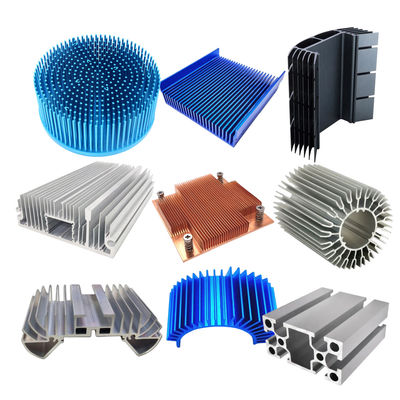
Το αλουμίνιο είναι το πιο κοινό υλικό απορρίψεως θερμότητας, ιδιαίτερα σε εκχυλισμένα σχέδια.
- Ελαφρύ βάρος για εύκολο χειρισμό και εγκατάσταση
- Λιγότερα έξοδα υλικών σε σύγκριση με το χαλκό
- Καλή θερμική αγωγιμότητα για τις περισσότερες εφαρμογές
- Ελαστική κατασκευή με διεργασίες ακροβολίας
Οι απορροφητές θερμότητας από εκχυλισμένο αλουμίνιο προσφέρουν εξαιρετική ευελιξία για καταναλωτικά ηλεκτρονικά προϊόντα και συσκευές γενικής χρήσης, όπου τα θέματα βάρους και κόστους υπερτερούν των ακραίων αναγκών ψύξης.
Χαλκοθερμικοί απορροφητήρες: Ανώτερη θερμική απόδοση
Ο χαλκός παρέχει περίπου 60% καλύτερη θερμική αγωγιμότητα από το αλουμίνιο, καθιστώντας το την προτιμώμενη επιλογή για εφαρμογές ψύξης υψηλών επιδόσεων.Η υψηλότερη πυκνότητα και το κόστος των υλικών περιορίζουν τη χρήση του σε εξειδικευμένες εφαρμογές.
Οι χάλκινοι απορροφητές θερμότητας χρησιμοποιούνται συνήθως:
- Υψηλής τεχνολογίας συστήματα υπολογιστών
- Περιβάλλον διακομιστή
- Υβριδικά σχέδια όπου οι βάσεις χαλκού συνδυάζονται με πτερύγια αλουμινίου
Επαγωγικές διαδικασίες: Έξι βασικές μεθόδους
Η κατανόηση των τεχνικών παραγωγής απορροφητήρων θερμότητας βοηθά στην επιλογή της βέλτιστης λύσης για συγκεκριμένες εφαρμογές.
1. Εκχυλίστηκαν απορροφητήρες θερμότητας: οικονομικά αποτελεσματική ευελιξία
Η εξάντληση αλουμινίου κυριαρχεί στην κατασκευή αποβλήτων θερμότητας λόγω:
- Χαμηλά κόστη παραγωγής
- Υψηλή αποδοτικότητα παραγωγής
- Ευελιξία σχεδιασμού μέσω προσαρμογής καλούπιων
Ενώ η εκτόξευση καλύπτει ένα ευρύ φάσμα θερμικών απαιτήσεων, υπάρχουν περιορισμοί μεγέθους βάσει της χωρητικότητας του εξοπλισμού.
2. Συμπληρωμένα απορροφητικά θερμότητας: Υβριδικές λύσεις υλικών
Τα σχέδια σύνδεσης συνδυάζουν διαφορετικά υλικά - συνήθως βάσεις χαλκού με πτερύγια αλουμινίου - για να εξισορροπήσουν την απόδοση και το κόστος.
- Μεγαλύτερες διαστάσεις αποβλήτων θερμότητας από την εκτόξευση
- Βελτιστοποίηση υλικού για ειδικές θερμικές ανάγκες
- Βελτίωση της απόδοσης μέσω ρυθμίσεων πτερυγίων από μικτά μέταλλα
3. Σκίβες απορροφητήρες θερμότητας: Σύνθετα πτερύγων υψηλής πυκνότητας
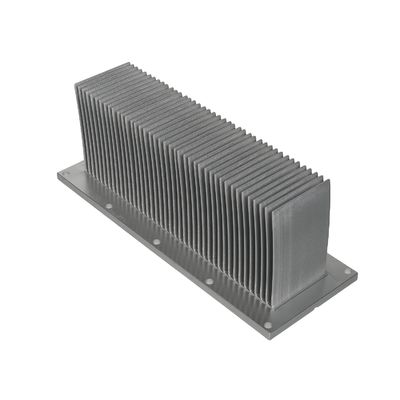
Το Skiving παράγει ψυγεία χάλκινου θερμότητας με εξαιρετικά πυκνά μοτίβα πτερυγίων κόβοντας λεπτά πτερύγια από στερεά μεταλλικά μπλοκ.
- Αυξημένη επιφάνεια για βελτιωμένη ψύξη
- Επεξεργασία ακριβείας για σταθερή απόδοση
- Απαιτήσεις κατεύθυνσης της ροής αέρα για τη βέλτιστη λειτουργία
4. Σφραγισμένοι απορροφητές θερμότητας: Οικονομικές λύσεις χαμηλής κατανάλωσης
Η τυποποίηση δημιουργεί προσιτούς απορροφητές θερμότητας μέσω:
- Μαζική παραγωγή μεταλλικών πτερυγίων
- Απλές διαδικασίες συναρμολόγησης
- Αποτελεσματική από πλευράς κόστους παραγωγή για εφαρμογές μεγάλου όγκου
Ενώ περιορίζονται σε εφαρμογές χαμηλότερης ισχύος, οι θερμολύφτες με σφραγισμένο χρώμα χρησιμεύουν καλά σε περιβάλλοντα υψηλής παραγωγής και ευαίσθητα στο κόστος.
5Σφυρηλατημένοι απορροφητές θερμότητας: ισορροπημένη απόδοση και κόστος
Η σφυρηλάτηση συμπιέζει το αλουμίνιο ή το χαλκό σε σχήματα θερμοπνευστήρα μέσω ψυχρών ή θερμών διεργασιών, παρέχοντας:
- Μέτρια θερμική απόδοση
- Λιγότερα έξοδα σε σύγκριση με την μηχανική
- Αποτελεσματικές δυνατότητες μαζικής παραγωγής
Η ευελιξία του σχεδιασμού παραμένει περιορισμένη από τους περιορισμούς της διαδικασίας.
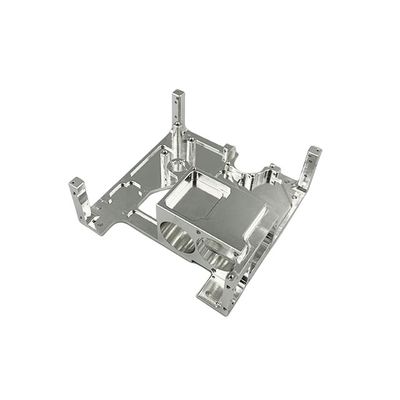
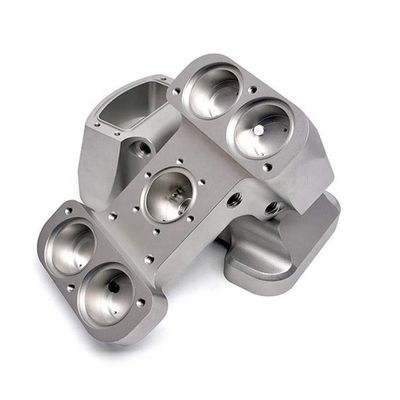
6Εργαστηριακοί απορροφητές θερμότητας CNC: Τεχνική ακρίβειας
Η μηχανική επεξεργασία που ελέγχεται από υπολογιστή προσφέρει απαράμιλλη ελευθερία σχεδιασμού για εξειδικευμένες εφαρμογές:
- Σύνθετες γεωμετρικές δυνατότητες
- Εξαιρετικά χαρακτηριστικά μεταφοράς θερμότητας
- Κατασκευή υψηλής ακρίβειας
Τα εμπόδια περιλαμβάνουν υψηλότερα κόστη και μεγαλύτερους χρόνους παράδοσης, καθιστώντας την μηχανική CNC πρακτικά απίθανη για την παραγωγή μεγάλου όγκου.
Κατευθυντήριες γραμμές για την επιλογή: Προσαρμογή λύσεων στις ανάγκες
Η επιλογή του κατάλληλου απορροφητήρα θερμότητας απαιτεί προσεκτική εξέταση πολλών παραγόντων:
-
Θερμικές απαιτήσεις:Οι εφαρμογές υψηλής ισχύος απαιτούν ενεργές ή διακοσμημένες λύσεις, ενώ τα παθητικά ή τυποποιημένα σχέδια επαρκούν για τις ανάγκες χαμηλής ισχύος
-
Προϋπολογιστικοί περιορισμοί:Το αλουμίνιο και η εξάντληση/σφυρηλάτηση παρέχουν πλεονεκτήματα κόστους έναντι του χαλκού και της μηχανικής CNC
-
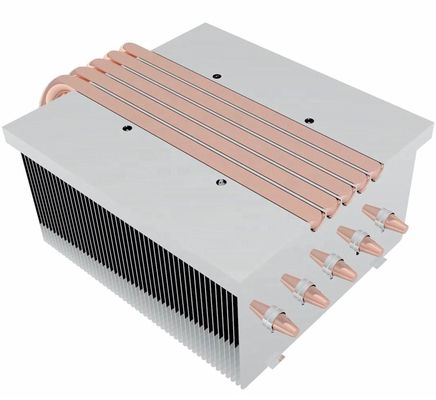
Περιορισμοί χώρου:Τα συμπαγή σχέδια μπορεί να απαιτούν πτερύγια υψηλής πυκνότητας ή ενσωμάτωση σωλήνων θερμότητας
-
Περιβαλλοντικές συνθήκες:Τα διαβρωτικά ή υγρά περιβάλλοντα απαιτούν ειδικές επεξεργασίες επιφάνειας
Η σωστή επιλογή των αποθεματικών θερμότητας εξασφαλίζει αξιόπιστη ηλεκτρονική λειτουργία και παρατείνει τη διάρκεια ζωής του εξοπλισμού.και περιβαλλοντικούς παράγοντες που είναι ειδικοί για κάθε εφαρμογή.

 Το μήνυμά σας πρέπει να αποτελείται από 20-3.000 χαρακτήρες!