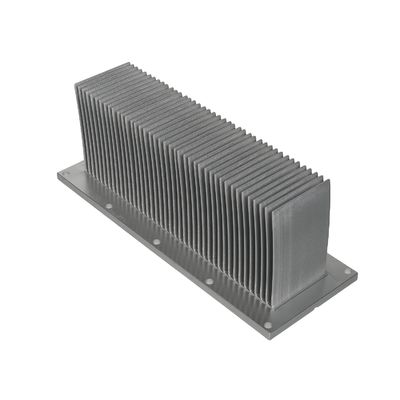
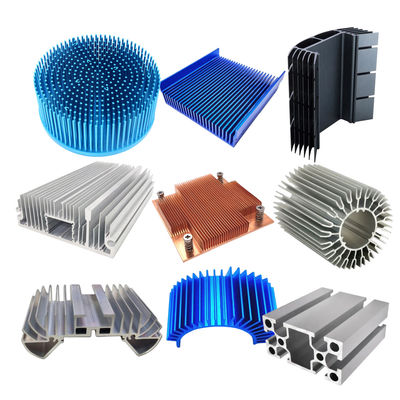
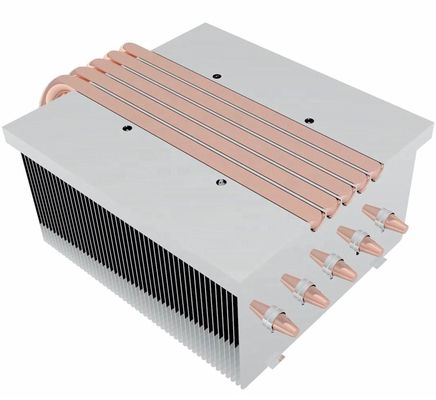
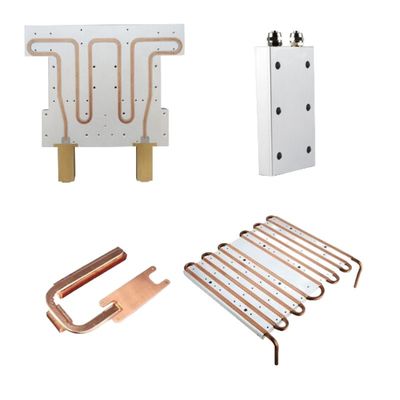
Overheating in electronic devices can lead to performance degradation, reduced lifespan, and even complete failure. The solution lies in choosing the appropriate heat sink - a critical component that acts as the silent guardian of your electronics, ensuring optimal operating temperatures.
Understanding Heat Sink Fundamentals
Heat sinks serve as indispensable thermal management components in electronic devices. They efficiently absorb and dissipate heat generated by electronic components, maintaining them within safe operating temperatures. Without proper heat dissipation, computers may crash during intensive tasks, servers could fail under heavy loads, and smartphones might malfunction due to excessive heat.
Active vs. Passive Heat Sinks
The heat sink market primarily offers two categories: active and passive cooling solutions.
Active Heat Sinks: Maximum Cooling Performance
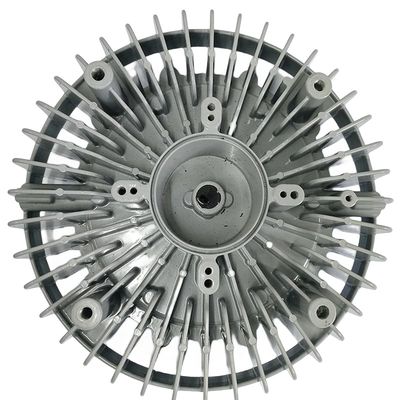
Active heat sinks incorporate mechanical components like fans or blowers to enhance heat dissipation through forced airflow. These systems provide robust cooling for high-performance applications but come with higher costs and potential mechanical failure risks.
Ball bearing fans represent a common choice in active cooling systems, offering durability and consistent performance. However, their complex construction makes them more expensive and susceptible to mechanical issues like bearing wear or fan blade damage.
Active cooling solutions prove essential for high-heat applications such as performance computing and server environments where thermal loads demand aggressive cooling.
Passive Heat Sinks: Silent and Reliable Operation
Passive heat sinks rely entirely on natural convection for heat dissipation, eliminating moving parts. This design offers superior reliability and silent operation, making them ideal for noise-sensitive environments or applications requiring high dependability.
While passive solutions provide lower cooling capacity, optimized designs with increased surface area and improved fin geometry can enhance performance. Proper airflow management remains crucial for effective passive cooling.
Industrial control systems and LED lighting often benefit from passive heat sinks where noise reduction and long-term reliability take priority over maximum cooling capacity.
Material Selection: Aluminum vs. Copper
Heat sink material significantly impacts thermal performance, weight, and cost.
Aluminum Heat Sinks: Lightweight and Cost-Effective
Aluminum stands as the most common heat sink material, particularly in extruded designs. Its advantages include:
-
Light weight for easy handling and installation
-
Lower material costs compared to copper
-
Good thermal conductivity for most applications
-
Flexible manufacturing through extrusion processes
Extruded aluminum heat sinks offer excellent versatility for consumer electronics and general-purpose devices where weight and cost considerations outweigh extreme cooling needs.
Copper Heat Sinks: Superior Thermal Performance
Copper provides approximately 60% better thermal conductivity than aluminum, making it the preferred choice for high-performance cooling applications. However, its higher density and material cost limit its use to specialized applications.
Copper heat sinks typically serve in:
-
High-end computing systems
-
Server environments
-
Hybrid designs where copper bases combine with aluminum fins
Manufacturing Processes: Six Key Methods
Understanding heat sink production techniques helps in selecting the optimal solution for specific applications.
1. Extruded Heat Sinks: Cost-Effective Versatility
Aluminum extrusion dominates heat sink manufacturing due to its:
-
Low production costs
-
High manufacturing efficiency
-
Design flexibility through mold customization
While extrusion accommodates a wide range of thermal requirements, size limitations exist based on equipment capacity.
2. Bonded Heat Sinks: Hybrid Material Solutions
Bonded designs combine different materials - typically copper bases with aluminum fins - to balance performance and cost. This approach allows:
-
Larger heat sink dimensions than extrusion
-
Material optimization for specific thermal needs
-
Performance enhancement through mixed-metal fin arrangements
3. Skived Heat Sinks: High-Density Fin Arrays
Skiving produces copper heat sinks with exceptionally dense fin patterns by cutting thin fins from solid metal blocks. These units offer:
-
Increased surface area for improved cooling
-
Precision manufacturing for consistent performance
-
Directional airflow requirements for optimal operation
4. Stamped Heat Sinks: Economical Low-Power Solutions
Stamping creates affordable heat sinks through:
-
Mass production of metal fins
-
Simple assembly processes
-
Cost-effective manufacturing for high-volume applications
While limited to lower-power applications, stamped heat sinks serve well in cost-sensitive, high-production environments.
5. Forged Heat Sinks: Balanced Performance and Cost
Forging compresses aluminum or copper into heat sink shapes through cold or hot processes, providing:
-
Moderate thermal performance
-
Lower costs compared to machining
-
Efficient mass production capabilities
Design flexibility remains constrained by forging process limitations.
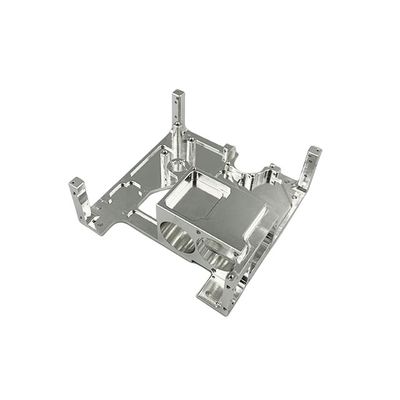
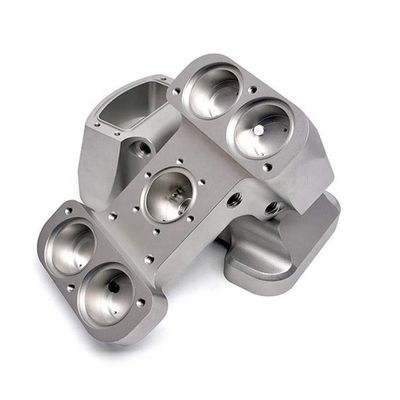
6. CNC Machined Heat Sinks: Precision Engineering
Computer-controlled machining offers unparalleled design freedom for specialized applications, featuring:
-
Complex geometric possibilities
-
Excellent thermal transfer characteristics
-
High precision manufacturing
The trade-offs include higher costs and longer lead times, making CNC machining impractical for high-volume production.
Selection Guidelines: Matching Solutions to Needs
Choosing the appropriate heat sink requires careful consideration of multiple factors:
-
Thermal requirements: High-power applications demand active or skived solutions, while passive or stamped designs suffice for low-power needs
-
Budget constraints: Aluminum and extrusion/forging provide cost advantages over copper and CNC machining
-
Space limitations: Compact designs may require high-density fins or heat pipe integration
-
Environmental conditions: Corrosive or humid environments necessitate specialized surface treatments
Proper heat sink selection ensures reliable electronic operation and extends equipment service life. The optimal solution balances thermal performance, cost, size, and environmental factors specific to each application.

 Your message must be between 20-3,000 characters!