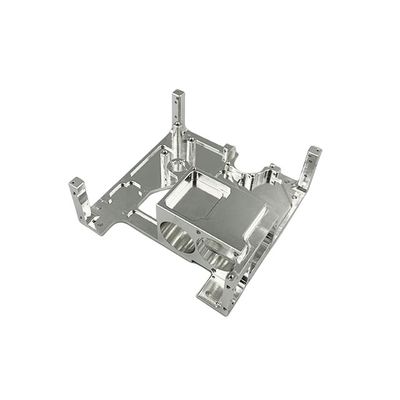
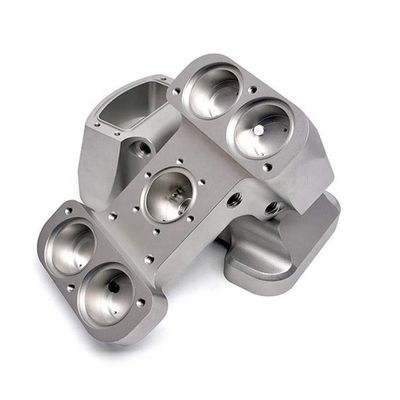
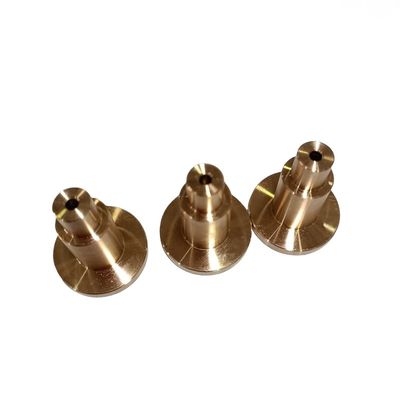
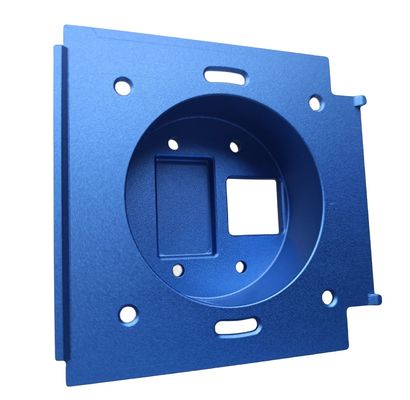
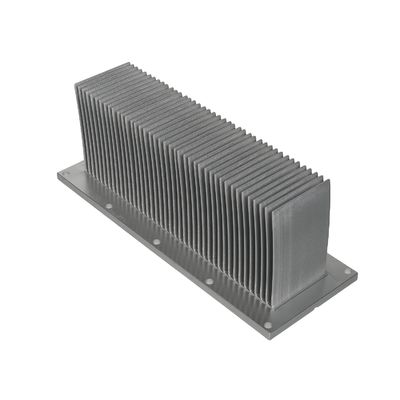
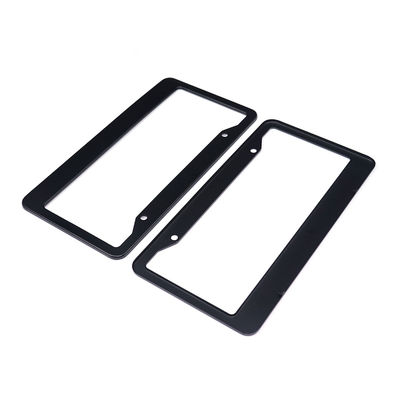
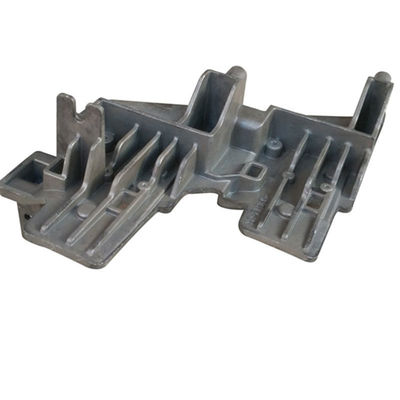
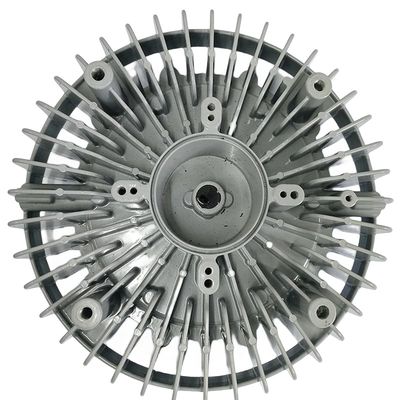
Η κατεργασία ακριβείας αποτελεί ακρογωνιαίο λίθο της σύγχρονης παραγωγής, διαδραματίζοντας ολοένα και πιο ζωτικό ρόλο σε όλους τους κλάδους. Αυτή η προηγμένη διαδικασία παραγωγής επιτρέπει την κατασκευή εξαρτημάτων υψηλής απόδοσης και αξιοπιστίας, ενώ παράλληλα οδηγεί την τεχνολογική καινοτομία και τη βιομηχανική πρόοδο. Τι ακριβώς όμως συνιστά την κατεργασία ακριβείας; Ποιες βασικές τεχνολογίες περιλαμβάνει; Και σε ποιους τομείς προσφέρει αναντικατάστατη αξία; Αυτό το άρθρο παρέχει μια ολοκληρωμένη εξέταση του ορισμού, των διαδικασιών, των εφαρμογών και των μελλοντικών κατευθύνσεων της κατεργασίας ακριβείας.
Ορισμός της Κατεργασίας Ακριβείας και τα Βασικά της Χαρακτηριστικά
Η κατεργασία ακριβείας αναφέρεται σε μια διαδικασία παραγωγής που χρησιμοποιεί εργαλειομηχανές και συστήματα ελέγχου υψηλής ακρίβειας για τη μετατροπή ακατέργαστων υλικών σε εξαρτήματα με εξαιρετική ακρίβεια διαστάσεων, γεωμετρική ακρίβεια και ποιότητα επιφάνειας μέσω κοπής, λείανσης και άλλων τεχνικών αφαίρεσης υλικού. Σε σύγκριση με τις συμβατικές μεθόδους κατεργασίας, η κατεργασία ακριβείας παρουσιάζει διάφορα διακριτικά χαρακτηριστικά:
-
Εξαιρετική Ακρίβεια:
Το καθοριστικό χαρακτηριστικό της κατεργασίας ακριβείας περιλαμβάνει την παραγωγή εξαρτημάτων με ελάχιστες αποκλίσεις διαστάσεων, συνήθως μετρούμενες σε μικρόμετρα ή ακόμη και νανόμετρα. Αυτό το επίπεδο ακρίβειας αποδεικνύεται απαραίτητο για προϊόντα υψηλής τεχνολογίας στην αεροδιαστημική, τις ιατρικές συσκευές και άλλες προηγμένες εφαρμογές.
-
Ανώτερη Ποιότητα Επιφάνειας:
Πέρα από την ακρίβεια διαστάσεων, η διαδικασία παρέχει εξαρτήματα με εξαιρετικά λείες επιφάνειες και χαμηλές τιμές τραχύτητας. Αυτές οι βελτιωμένες επιφάνειες μειώνουν την τριβή, βελτιώνουν την αντοχή στη φθορά και ενισχύουν τις δυνατότητες στεγανοποίησης — όλα συμβάλλουν σε καλύτερη απόδοση και μακροζωία του προϊόντος.
-
Δυνατότητες Σύνθετης Γεωμετρίας:
Οι σύγχρονες τεχνολογίες κατεργασίας ακριβείας, συμπεριλαμβανομένης της κατεργασίας CNC και των πολυαξονικών συστημάτων, επιτρέπουν την κατασκευή περίπλοκων εξαρτημάτων με εξελιγμένα σχέδια. Αυτή η δυνατότητα διευρύνει τις δυνατότητες σχεδιασμού και διευκολύνει πιο σύνθετες λειτουργικές υλοποιήσεις.
-
Ευελιξία Υλικών:
Η διαδικασία φιλοξενεί ποικίλα υλικά, από μέταλλα και πλαστικά έως κεραμικά και σύνθετα υλικά, καθιστώντας την εφαρμόσιμη σε πολλούς κλάδους και περιπτώσεις χρήσης.
Βασικές Διαδικασίες Κατεργασίας Ακριβείας
Η κατεργασία ακριβείας περιλαμβάνει διάφορες εξειδικευμένες τεχνικές, καθεμία από τις οποίες προσφέρει μοναδικά πλεονεκτήματα για συγκεκριμένες εφαρμογές:
1. Κατεργασία CNC
Η κατεργασία με Αριθμητικό Έλεγχο Υπολογιστή (CNC) χρησιμοποιεί προγραμματισμένες οδηγίες για την αυτοματοποίηση των λειτουργιών των εργαλειομηχανών, επιτυγχάνοντας παραγωγή εξαρτημάτων υψηλής ακρίβειας μέσω ακριβώς ελεγχόμενων διαδρομών κίνησης και παραμέτρων κατεργασίας.
Θεμελιώδεις Αρχές Διαδικασίας:
Τα συστήματα CNC μετατρέπουν ψηφιακά σχέδια εξαρτημάτων σε οδηγίες μηχανής που καθοδηγούν τα εργαλεία κοπής σε προκαθορισμένες διαδρομές για τη διαμόρφωση ακατέργαστων υλικών σε τελικά εξαρτήματα.
Πλεονεκτήματα:
-
Παρέχει σταθερή, επαναλαμβανόμενη ακρίβεια
-
Επιτρέπει την αποδοτική αυτοματοποιημένη παραγωγή
-
Διατηρεί την ομοιομορφία μεταξύ των παρτίδων παραγωγής
-
Διευκολύνει γρήγορες αλλαγές για ευέλικτη παραγωγή
Εφαρμογές:
Δομικά εξαρτήματα αεροδιαστημικής, εξαρτήματα κινητήρων αυτοκινήτων, περιβλήματα ηλεκτρονικών συσκευών και ιατρικά εμφυτεύματα.
2. Λείανση
Αυτή η λειαντική διαδικασία χρησιμοποιεί συνδεδεμένους τροχούς λείανσης ή ιμάντες για την επίτευξη εξαιρετικών φινιρισμάτων επιφάνειας και στενών ανοχών, ιδιαίτερα κατάλληλη για σκληρά ή εύθραυστα υλικά.
Θεμελιώδεις Αρχές Διαδικασίας:
Οι λειαντικοί κόκκοι αφαιρούν μηχανικά υλικό μέσω ελεγχόμενης επαφής, με τις παραμέτρους της διαδικασίας να καθορίζουν την τελική ποιότητα.
Πλεονεκτήματα:
-
Επιτυγχάνει ακραία ακρίβεια διαστάσεων και γεωμετρίας
-
Παράγει ανώτερα φινιρίσματα επιφάνειας
-
Επεξεργάζεται αποτελεσματικά δύσκολα υλικά
Εφαρμογές:
Εξαρτήματα ρουλεμάν, δόντια γραναζιών, εργαλεία κοπής και στοιχεία υδραυλικών συστημάτων.
3. Ηλεκτροδιαβρωτική Κατεργασία (EDM)
Η EDM αφαιρεί υλικό μέσω ελεγχόμενων ηλεκτρικών εκκενώσεων μεταξύ ηλεκτροδίου και τεμαχίου εργασίας, επιτρέποντας την κατεργασία εξαιρετικά σκληρών υλικών χωρίς μηχανική επαφή.
Θεμελιώδεις Αρχές Διαδικασίας:
Οι παλμικοί ηλεκτρικοί σπινθήρες διαβρώνουν το υλικό του τεμαχίου εργασίας μέσω τοπικής τήξης/εξάχνωσης, με τις παραμέτρους εκκένωσης να ελέγχουν την αφαίρεση υλικού.
Πλεονεκτήματα:
-
Κατεργάζεται οποιοδήποτε αγώγιμο υλικό ανεξαρτήτως σκληρότητας
-
Δεν δημιουργεί μηχανικές τάσεις στα τεμάχια εργασίας
-
Παράγει περίπλοκα χαρακτηριστικά όπως βαθιές κοιλότητες και λεπτές λεπτομέρειες
Εφαρμογές:
Εργαλεία καλουπιών, ακριβείς πρεσσαριστές, εξαρτήματα τουρμπινών και χειρουργικά εργαλεία.
4. Κατεργασία με Λέιζερ
Οι δέσμες λέιζερ υψηλής ενέργειας εκτελούν κοπή, συγκόλληση, διάτρηση και τροποποίηση επιφάνειας με εξαιρετική ακρίβεια και ταχύτητα, ιδιαίτερα αποτελεσματικές για λεπτά υλικά και χαρακτηριστικά μικροσκοπικής κλίμακας.
Θεμελιώδεις Αρχές Διαδικασίας:
Η εστιασμένη ενέργεια λέιζερ τροποποιεί θερμικά το υλικό του τεμαχίου εργασίας μέσω τήξης, εξάχνωσης ή χημικών αλλαγών.
Πλεονεκτήματα:
-
Παρέχει λεπτή ανάλυση χαρακτηριστικών
-
Λειτουργεί με υψηλές ταχύτητες επεξεργασίας
-
Δεν απαιτεί επαφή με εργαλείο
-
Επεξεργάζεται ποικίλους τύπους υλικών
Εφαρμογές:
Κατασκευή ηλεκτρονικών, επεξεργασία εξαρτημάτων αυτοκινήτων, κατασκευή ιατρικών συσκευών και παραγωγή εξαρτημάτων αεροδιαστημικής.
5. Υπερηχητική Κατεργασία
Αυτή η διαδικασία χρησιμοποιεί δονήσεις υψηλής συχνότητας για την προώθηση λειαντικών σωματιδίων σε σκληρά, εύθραυστα υλικά, δημιουργώντας ακριβή χαρακτηριστικά χωρίς θερμικές επιδράσεις.
Θεμελιώδεις Αρχές Διαδικασίας:
Οι υπερηχητικοί μετατροπείς παράγουν μηχανικές δονήσεις που προωθούν τα λειαντικά για τη διάβρωση του υλικού του τεμαχίου εργασίας μέσω μικρο-κρούσης.
Πλεονεκτήματα:
-
Αποτελεσματική για κεραμικά και γυάλινα υλικά
-
Δεν δημιουργεί ζώνες που επηρεάζονται από τη θερμότητα
-
Παράγει ευαίσθητα χαρακτηριστικά και κοιλότητες
Εφαρμογές:
Ηλεκτρονικές υποστρώσεις, οπτικά εξαρτήματα και κατασκευή ιατρικών εμφυτευμάτων.
6. Χημική Κατεργασία
Η ελεγχόμενη χημική χάραξη αφαιρεί υλικό για την παραγωγή λεπτών, σύνθετων εξαρτημάτων χωρίς να εισάγει μηχανικές τάσεις.
Θεμελιώδεις Αρχές Διαδικασίας:
Η επιλεκτική διάλυση υλικού συμβαίνει μέσω καλυμμένης έκθεσης σε χημικά αντιδραστήρια, με τις παραμέτρους της διαδικασίας να διέπουν τους ρυθμούς χάραξης.
Πλεονεκτήματα:
-
Δεν εισάγει μηχανικές τάσεις
-
Δημιουργεί περίπλοκα λεπτά τμήματα εξαρτημάτων
-
Επιτρέπει τη χάραξη και τη σήμανση επιφανειών
Εφαρμογές:
Μικροηλεκτρονική, αεροδιαστημικές δομές και όργανα ακριβείας.
Κρίσιμες Εφαρμογές σε Όλους τους Κλάδους
Αεροδιαστημική
Κρίσιμα εξαρτήματα αεροσκαφών και διαστημοπλοίων — συμπεριλαμβανομένων των πτερυγίων τουρμπίνας, των δομικών στοιχείων και των συστημάτων ελέγχου — απαιτούν κατεργασία ακριβείας για την κάλυψη ακραίων προτύπων απόδοσης και ασφάλειας. Για παράδειγμα, τα πτερύγια κινητήρων τζετ πρέπει να αντέχουν σε σοβαρές συνθήκες λειτουργίας, διατηρώντας παράλληλα ακριβή αεροδυναμικά προφίλ που επιτυγχάνονται μέσω προηγμένων διαδικασιών CNC και EDM.
Ιατρική Τεχνολογία
Τα ιατρικά εμφυτεύματα και τα εργαλεία απαιτούν εξαιρετική ακρίβεια και ποιότητα επιφάνειας για να διασφαλιστεί η σωστή λειτουργικότητα και η βιοσυμβατότητα. Οι τεχνητές αρθρώσεις ακριβείας, για παράδειγμα, πρέπει να επιτυγχάνουν αυστηρές ανοχές διαστάσεων για σωστή εφαρμογή και μακροπρόθεσμη απόδοση εντός του ανθρώπινου σώματος.
Ηλεκτρονική Παραγωγή
Η συνεχής σμίκρυνση των ηλεκτρονικών συσκευών οδηγεί στην ανάγκη για ακόμη πιο ακριβή κατασκευή εξαρτημάτων. Τα τσιπ ημιαγωγών με κυκλώματα κλίμακας νανομέτρων βασίζονται σε προηγμένες τεχνικές φωτολιθογραφίας και χάραξης που προέρχονται από τις αρχές της κατεργασίας ακριβείας.
Παραγωγή Αυτοκινήτων
Τα μπλοκ κινητήρων, τα εξαρτήματα μετάδοσης κίνησης και άλλα συστήματα αυτοκινήτων χρησιμοποιούν κατεργασία ακριβείας για την επίτευξη των απαιτούμενων χαρακτηριστικών απόδοσης. Η λείανση των κυλίνδρων, για παράδειγμα, εξασφαλίζει βέλτιστη στεγανοποίηση και λίπανση στους κινητήρες εσωτερικής καύσης.
Κατασκευή Εργαλείων και Καλούπιων
Τα καλούπια και τα εργαλεία ακριβείας αποτελούν τη βάση της μαζικής παραγωγής σε όλους τους κλάδους. Οι κοιλότητες καλουπιών έγχυσης που παράγονται μέσω EDM και φρεζαρίσματος CNC καθορίζουν την ποιότητα και τη συνέπεια αμέτρητων πλαστικών προϊόντων.
Αναδυόμενες Τάσεις στην Κατεργασία Ακριβείας
Υπερ-Ακριβής Κατεργασία
Τεχνικές κατεργασίας σε νανοκλίμακα και ατομικό επίπεδο επιτρέπουν την κατασκευή προηγμένων οπτικών στοιχείων, συσκευών ημιαγωγών και εξαρτημάτων νανοτεχνολογίας χρησιμοποιώντας εξειδικευμένο εξοπλισμό και διαδικασίες όπως η επιταξία δέσμης μορίων.
Έξυπνη Παραγωγή
Η ενσωμάτωση τεχνολογιών Τεχνητής Νοημοσύνης, μηχανικής μάθησης και IoT βελτιστοποιεί τις διαδικασίες κατεργασίας μέσω προσαρμογής παραμέτρων σε πραγματικό χρόνο, προγνωστικής συντήρησης και αυτοματοποιημένου ελέγχου ποιότητας.
Υβριδικές Επεξεργασίες
Ο συνδυασμός πολλαπλών μεθόδων κατεργασίας εντός μεμονωμένων σταθμών εργασίας μειώνει τον χειρισμό και βελτιώνει την ακρίβεια μέσω της πλήρους επεξεργασίας εξαρτημάτων σε μία ρύθμιση.
Βιώσιμες Πρακτικές
Η περιβαλλοντικά συνειδητή κατεργασία υιοθετεί βιοδιασπώμενα ψυκτικά υγρά, ενεργειακά αποδοτικό εξοπλισμό και στρατηγικές μείωσης αποβλήτων για την ελαχιστοποίηση του οικολογικού αντίκτυπου.
Καθώς η παραγωγή συνεχίζει να εξελίσσεται, η κατεργασία ακριβείας παραμένει απαραίτητη για την παραγωγή των προηγμένων εξαρτημάτων που τροφοδοτούν τη σύγχρονη τεχνολογία σε όλους τους κλάδους. Οι συνεχείς εξελίξεις υπόσχονται ακόμη μεγαλύτερες δυνατότητες για την αντιμετώπιση των μελλοντικών προκλήσεων της παραγωγής.

 Το μήνυμά σας πρέπει να αποτελείται από 20-3.000 χαρακτήρες!