Precision machining stands as a cornerstone of modern manufacturing, playing an increasingly vital role across industries. This advanced manufacturing process enables the production of high-performance, reliable components while driving technological innovation and industrial advancement. But what exactly constitutes precision machining? What key technologies does it encompass? And in which fields does it deliver indispensable value? This article provides a comprehensive examination of precision machining's definition, processes, applications, and future directions.
Defining Precision Machining and Its Core Characteristics
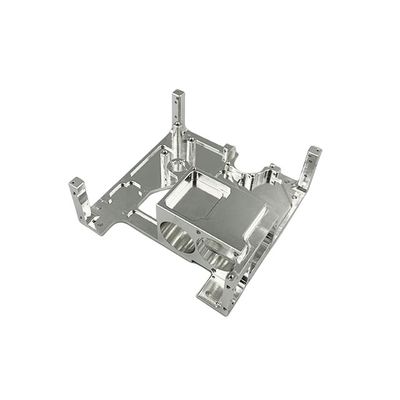
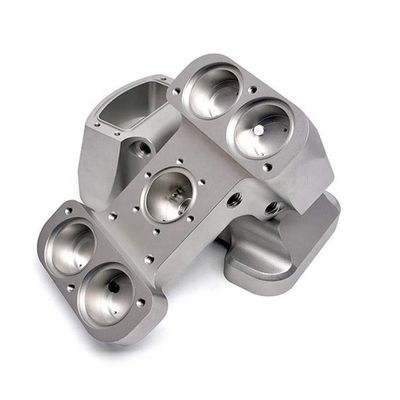
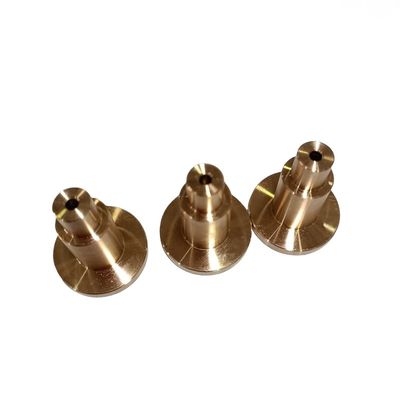
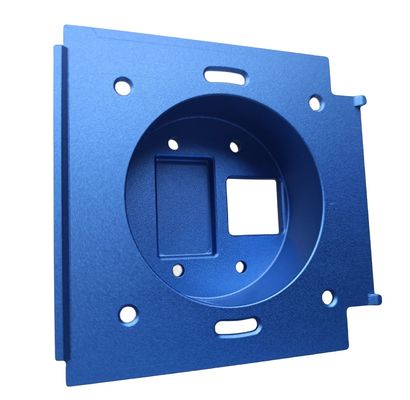
Precision machining refers to a manufacturing process that utilizes highly accurate machine tools and control systems to transform raw materials into components with exceptional dimensional accuracy, geometric precision, and surface quality through cutting, grinding, and other material removal techniques. Compared to conventional machining methods, precision machining exhibits several distinctive features:
-
Exceptional Accuracy:
The defining characteristic of precision machining involves producing parts with minimal dimensional deviations, typically measured in micrometers or even nanometers. This level of precision proves essential for high-end products in aerospace, medical devices, and other advanced applications.
-
Superior Surface Quality:
Beyond dimensional precision, the process delivers components with exceptionally smooth surfaces and low roughness values. These refined surfaces reduce friction, enhance wear resistance, and improve sealing capabilities—all contributing to better product performance and longevity.
-
Complex Geometry Capabilities:
Modern precision machining technologies, including CNC machining and multi-axis systems, enable the fabrication of intricate components with sophisticated designs. This capability expands design possibilities and facilitates more complex functional implementations.
-
Material Versatility:
The process accommodates diverse materials ranging from metals and plastics to ceramics and composites, making it applicable across numerous industries and use cases.
Key Precision Machining Processes
Precision machining encompasses various specialized techniques, each offering unique advantages for specific applications:
1. CNC Machining
Computer Numerical Control (CNC) machining employs programmed instructions to automate machine tool operations, achieving high-precision component production through precisely controlled movement paths and machining parameters.
Process Fundamentals:
CNC systems convert digital part designs into machine instructions that guide cutting tools along predetermined paths to shape raw materials into finished components.
Advantages:
-
Delivers consistent, repeatable accuracy
-
Enables efficient automated production
-
Maintains uniformity across production batches
-
Facilitates rapid changeovers for flexible manufacturing
Applications:
Aerospace structural components, automotive engine parts, electronic device enclosures, and medical implants.
2. Grinding
This abrasive process uses bonded grinding wheels or belts to achieve exceptional surface finishes and tight tolerances, particularly suitable for hard or brittle materials.
Process Fundamentals:
Abrasive grains mechanically remove material through controlled contact, with process parameters determining final quality.
Advantages:
-
Attains extreme dimensional and geometric precision
-
Produces superior surface finishes
-
Processes challenging materials effectively
Applications:
Bearing components, gear teeth, cutting tools, and hydraulic system elements.
3. Electrical Discharge Machining (EDM)
EDM removes material through controlled electrical discharges between electrode and workpiece, enabling machining of extremely hard materials without mechanical contact.
Process Fundamentals:
Pulsed electrical sparks erode workpiece material through localized melting/vaporization, with discharge parameters controlling material removal.
Advantages:
-
Machines any conductive material regardless of hardness
-
Creates no mechanical stresses on workpieces
-
Produces intricate features like deep cavities and fine details
Applications:
Mold tooling, precision stampings, turbine components, and surgical instruments.
4. Laser Machining
High-energy laser beams perform cutting, welding, drilling, and surface modification with exceptional precision and speed, particularly effective for thin materials and micro-scale features.
Process Fundamentals:
Focused laser energy thermally alters workpiece material through melting, vaporization, or chemical changes.
Advantages:
-
Delivers fine feature resolution
-
Operates at high processing speeds
-
Requires no tool contact
-
Processes diverse material types
Applications:
Electronics fabrication, automotive component processing, medical device manufacturing, and aerospace part production.
5. Ultrasonic Machining
This process uses high-frequency vibrations to drive abrasive particles against hard, brittle materials, creating precise features without thermal effects.
Process Fundamentals:
Ultrasonic transducers generate mechanical vibrations that propel abrasives to erode workpiece material through micro-impact.
Advantages:
-
Effective for ceramics and glass materials
-
Creates no heat-affected zones
-
Produces delicate features and cavities
Applications:
Electronic substrates, optical components, and medical implant fabrication.
6. Chemical Machining
Controlled chemical etching removes material to produce thin, complex parts without introducing mechanical stresses.
Process Fundamentals:
Selective material dissolution occurs through masked exposure to chemical reagents, with process parameters governing etch rates.
Advantages:
-
Induces no mechanical stresses
-
Creates intricate thin-section parts
-
Enables surface patterning and marking
Applications:
Microelectronics, aerospace structures, and precision instrumentation.
Critical Applications Across Industries
Aerospace
Critical aircraft and spacecraft components—including turbine blades, structural elements, and control systems—require precision machining to meet extreme performance and safety standards. For instance, jet engine blades must withstand severe operational conditions while maintaining precise aerodynamic profiles achieved through advanced CNC and EDM processes.
Medical Technology
Medical implants and instruments demand exceptional accuracy and surface quality to ensure proper functionality and biocompatibility. Precision-ground artificial joints, for example, must achieve exacting dimensional tolerances for proper fit and long-term performance within the human body.
Electronics Manufacturing
The ongoing miniaturization of electronic devices drives need for ever-more-precise component fabrication. Semiconductor chips featuring nanometer-scale circuitry rely on advanced photolithography and etching techniques derived from precision machining principles.
Automotive Production
Engine blocks, transmission components, and other automotive systems utilize precision machining to achieve required performance characteristics. Cylinder bore honing, for instance, ensures optimal sealing and lubrication in internal combustion engines.
Tool and Die Making
Precision-machined molds and dies form the foundation of mass production across industries. Injection mold cavities produced through EDM and CNC milling determine the quality and consistency of countless plastic products.
Emerging Trends in Precision Machining
Ultra-Precision Machining
Nanoscale and atomic-level machining techniques enable fabrication of advanced optical elements, semiconductor devices, and nanotechnology components using specialized equipment and processes like molecular beam epitaxy.
Intelligent Manufacturing
Integration of AI, machine learning, and IoT technologies optimizes machining processes through real-time parameter adjustment, predictive maintenance, and automated quality control.
Hybrid Processing
Combining multiple machining methods within single workstations reduces handling and improves accuracy through complete part processing in single setups.
Sustainable Practices
Environmentally conscious machining adopts biodegradable coolants, energy-efficient equipment, and waste-reduction strategies to minimize ecological impact.
As manufacturing continues evolving, precision machining remains essential for producing the advanced components that power modern technology across industries. Ongoing advancements promise even greater capabilities to meet future manufacturing challenges.

 Your message must be between 20-3,000 characters!