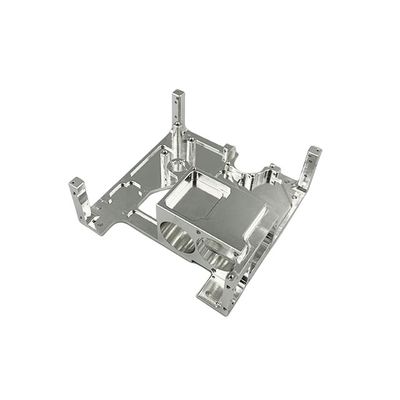
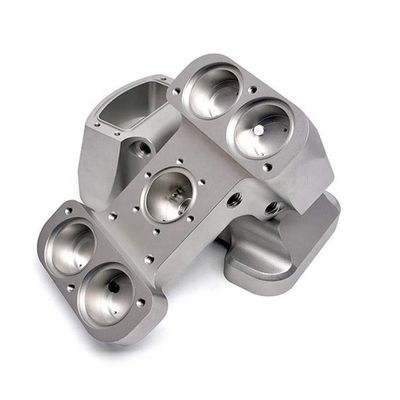
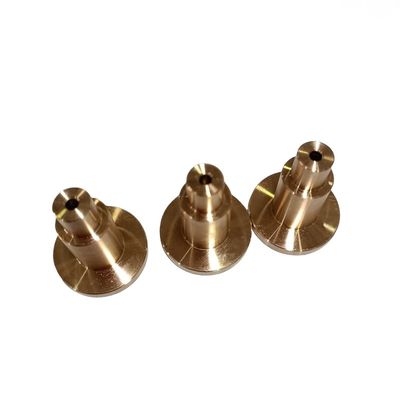
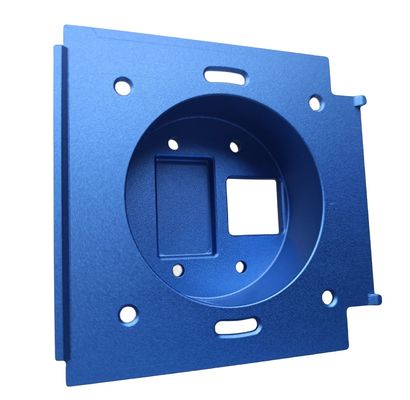
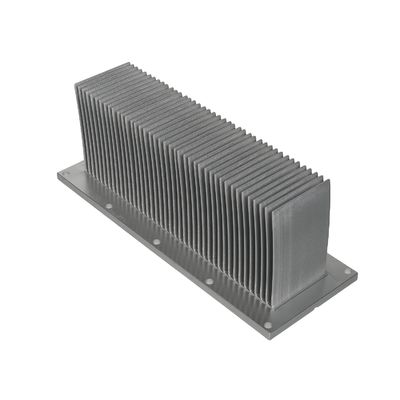
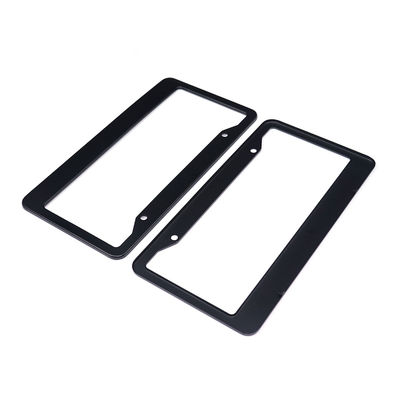
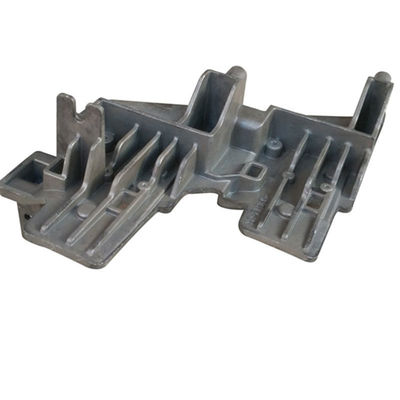
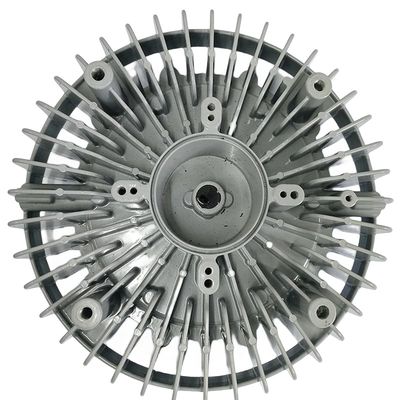
Η χάραξη CNC προσφέρει απαράμιλλη ακρίβεια στη δημιουργία περίπλοκων εξαρτημάτων αλουμινίου, ωστόσο πολλοί αντιμετωπίζουν προκλήσεις όπως θρυμματισμός, προσκόλληση εργαλείου και ασυνεπής ακρίβεια. Σε αντίθεση με το ξύλο ή το πλαστικό, το αλουμίνιο απαιτεί εξειδικευμένες τεχνικές για την επίτευξη βέλτιστων αποτελεσμάτων. Αυτός ο οδηγός εξερευνά βασικές στρατηγικές για την τελειοποίηση της χάραξης αλουμινίου με CNC, από την επιλογή εργαλείου έως τη βελτιστοποίηση παραμέτρων.
Η Ευελιξία της Χάραξης CNC
Οι μηχανές CNC υπερέχουν στην επεξεργασία ποικίλων υλικών με αξιοσημείωτη αποδοτικότητα. Το αλουμίνιο ξεχωρίζει ως προτιμώμενη επιλογή λόγω των ελαφρών ιδιοτήτων του, της αντοχής και της μηχανικής κατεργασιμότητάς του. Από εξαρτήματα ακριβείας έως αεροδιαστημικές εφαρμογές, η χάραξη αλουμινίου με CNC διαδραματίζει ζωτικό ρόλο στη σύγχρονη κατασκευή. Ωστόσο, τα μοναδικά χαρακτηριστικά του αλουμινίου απαιτούν συγκεκριμένες προσεγγίσεις για την υπέρβαση κοινών εμποδίων μηχανικής κατεργασίας.
Βελτιστοποίηση Παραμέτρων: Εύρεση του Ιδανικού Σημείου
Οι ακριβείς ρυθμίσεις παραμέτρων αποτελούν τη βάση της επιτυχημένης χάραξης αλουμινίου, ιδιαίτερα της ταχύτητας τροφοδοσίας και της ταχύτητας περιστροφής του άξονα. Αυτοί οι κρίσιμοι παράγοντες επηρεάζουν σημαντικά τόσο την ποιότητα όσο και την αποδοτικότητα. Το αλουμίνιο απαιτεί στενότερα εύρη παραμέτρων σε σύγκριση με μαλακότερα υλικά, με λανθασμένες ρυθμίσεις να οδηγούν σε φθορά εργαλείου ή ελαττώματα υλικού.
-
Ταχύτητα Τροφοδοσίας:
Η υπερβολική ταχύτητα αυξάνει τη δύναμη κοπής, κινδυνεύοντας με ζημιά στο τεμάχιο ή σπάσιμο εργαλείου. Η ανεπαρκής ταχύτητα παράγει θερμότητα τριβής, προκαλώντας προσκόλληση υλικού. Η εύρεση της ιδανικής ισορροπίας απαιτεί εξέταση του τύπου κράματος, της γεωμετρίας του εργαλείου και του βάθους κοπής.
-
Ταχύτητα Περιστροφής Άξονα:
Η υψηλή περιστροφή επιταχύνει την υποβάθμιση του εργαλείου, ενώ οι χαμηλές ταχύτητες μειώνουν την παραγωγικότητα. Οι βέλτιστες ρυθμίσεις εξαρτώνται από τις συγκεκριμένες συνθήκες μηχανικής κατεργασίας.
Οι αποτελεσματικές μέθοδοι προσδιορισμού παραμέτρων περιλαμβάνουν:
-
Online υπολογιστές που παρέχουν βασικές τιμές με βάση τις προδιαγραφές υλικού και εργαλείου
-
Προοδευτική ρύθμιση μέσω δοκιμαστικών κοπών για βελτίωση θεωρητικών τιμών
-
Συμβουλευτική με τους κατασκευαστές εξοπλισμού για συστάσεις ειδικές για την εφαρμογή
Επιλογή Εργαλείου: Όργανα Ακριβείας για Αλουμίνιο
Η επιλογή κατάλληλων κοπτικών εργαλείων αποδεικνύεται απαραίτητη για την κατεργασία αλουμινίου. Τα κοπτικά με μύτες καρβιδίου αποτελούν την βέλτιστη επιλογή, προσφέροντας ανώτερη αντοχή στη θερμότητα και ανθεκτικότητα σε σύγκριση με εναλλακτικές λύσεις από χάλυβα υψηλής ταχύτητας. Βασικά κριτήρια επιλογής περιλαμβάνουν:
-
Αριθμός Αυλακώσεων:
Τα εργαλεία μονής αυλάκωσης ενισχύουν την απομάκρυνση των τσιπς για εργασίες υψηλής ταχύτητας, ενώ οι εκδόσεις διπλής αυλάκωσης παρέχουν σταθερότητα για τελικές διελεύσεις
-
Γωνία Έλικα:
Οι αυξημένες γωνίες βελτιώνουν την απομάκρυνση των τσιπς, αποτρέποντας τη συσσώρευση και τα ελαττώματα επιφάνειας
-
Επιφανειακές Επιστρώσεις:
Εξειδικευμένες επεξεργασίες όπως το TiAlN παρατείνουν τη διάρκεια ζωής του εργαλείου μέσω ενισχυμένης αντοχής στη φθορά
Στρατηγικές Ψύξης: Διαχείριση Θερμικών Επιδράσεων
Η αποτελεσματική διαχείριση της θερμότητας αποτρέπει την υποβάθμιση του εργαλείου και την παραμόρφωση του υλικού κατά τη διάρκεια της μηχανικής κατεργασίας αλουμινίου υψηλής ταχύτητας. Τα συστήματα ψεκασμού νερού παρέχουν ψυκτικό υγρό σε μορφή ατμού απευθείας στη διεπαφή κοπής, προσφέροντας πολλαπλά οφέλη:
-
Μείωση θερμοκρασίας στη ζώνη κοπής
-
Βελτιωμένο φινίρισμα επιφάνειας μέσω ελαχιστοποίησης τριβής
-
Ενισχυμένος έλεγχος τσιπς και καθαριότητα τεμαχίου
Μεθοδολογία Μηχανικής Κατεργασίας: Ακρίβεια Μέσω Υπομονής
Η επιτυχημένη χάραξη αλουμινίου απαιτεί πειθαρχημένες προσεγγίσεις στον έλεγχο βάθους και τη διαχείριση των τσιπς:
-
Προοδευτική Κοπή:
Ο διαχωρισμός του συνολικού βάθους σε πολλαπλές ρηχές διελεύσεις μειώνει τις δυνάμεις κοπής και τους κραδασμούς
-
Απομάκρυνση Τσιπς:
Η τακτική απομάκρυνση αποτρέπει την παρεμβολή του εργαλείου και διατηρεί σταθερή απόδοση κοπής
Εφαρμόζοντας αυτές τις τεχνικές, οι κατασκευαστές μπορούν να επιτύχουν εξαιρετικά αποτελέσματα στη χάραξη αλουμινίου με CNC, παράγοντας εξαρτήματα με ανώτερη ακρίβεια και ποιότητα επιφάνειας.

 Το μήνυμά σας πρέπει να αποτελείται από 20-3.000 χαρακτήρες!