Heeft u ooit last gehad van plotselinge prestatieverminderingen of zelfs schade aan hardware door oververhitting? Naarmate elektronische apparaten steeds compacter en krachtiger worden, is thermisch beheer een cruciale uitdaging geworden voor ingenieurs. Koellichamen, die dienen als de "koele bewakers" van elektronica, vereisen zorgvuldige materiaalkeuze. Dit artikel onderzoekt de wetenschap achter koellichaammaterialen om u te helpen de meest effectieve koeloplossingen te selecteren.
Hoe koellichamen werken
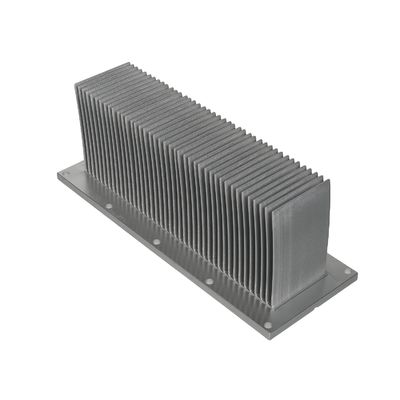
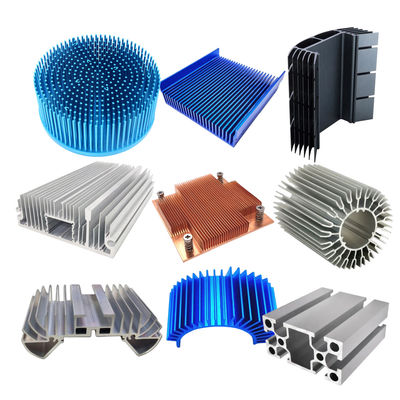
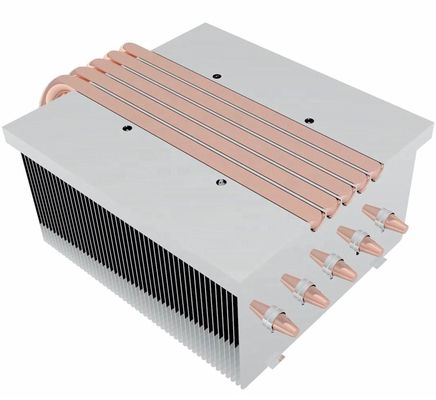
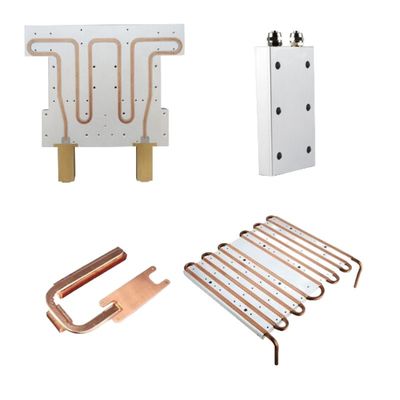
Koellichamen fungeren als thermische "transporters", die warmte efficiënt verplaatsen van elektronische componenten naar de omringende lucht. Meestal bestaande uit een platte basis met een reeks dunne vinnen, maximaliseert dit ontwerp het oppervlak voor effectieve warmteafvoer. Veel systemen bevatten aanvullende koelmechanismen zoals ventilatoren of hittepijpen om de prestaties te verbeteren.
Materiaalkeuze Criteria
De keuze van het koellichaammateriaal heeft directe invloed op de thermische prestaties, het gewicht en de productiekosten. Thermische weerstand (°C/W) dient als de belangrijkste metriek, die aangeeft hoeveel de temperatuur stijgt per watt aan afgevoerde warmte. Een koellichaam met een thermische weerstand van 2°C/W zal bijvoorbeeld een temperatuurstijging van 20°C ervaren bij het afvoeren van 10 watt.
Waarom koellichamen belangrijk zijn
Moderne elektronische systemen vereisen universeel oplossingen voor thermisch beheer. Naarmate apparaten kleiner worden en tegelijkertijd krachtiger, genereren ze meer warmte in kleinere ruimtes, waardoor betrouwbare koeling essentieel is.
Koellichamen dienen diverse industrieën met unieke thermische uitdagingen:
-
Consumentenelektronica:
Laptops, smartphones en LED-verlichting bevatten componenten dicht op elkaar. Aluminium koellichamen bieden een optimale balans tussen geleidbaarheid, gewicht en kosten.
-
Automotive:
EV-batterijpakketten, omvormers en vermogenselektronica genereren aanzienlijke warmte tijdens bedrijf met hoge stroomsterkte. CNC-gefreesde aluminium en koperen koellichamen handhaven veilige bedrijfstemperaturen.
-
Industriële apparatuur:
Motorbesturingen, omvormers en controlesystemen die continu werken in zware omgevingen vereisen duurzame koeloplossingen om stilstand te voorkomen.
-
Medisch & Telecom:
Beeldsystemen en netwerkhardware vereisen stabiele thermische prestaties voor nauwkeurige diagnoses en ononderbroken werking.
-
Kwantumtechnologie:
Kwantumcomputers en fotonische systemen vereisen nauwkeurig ontworpen koellichamen om kritieke temperatuuromstandigheden te handhaven.
Vergelijkende analyse van koellichaammaterialen
|
Materiaal
|
Thermische geleidbaarheid (W/m·K)
|
Dichtheid (g/cm³)
|
Kenmerken
|
|
Aluminium
|
200–235
|
2,7
|
Lichtgewicht en gemakkelijk te bewerken of te extruderen; kosteneffectief voor de meeste elektronica
|
|
Koper
|
385–400
|
8,9
|
Hoogste geleidbaarheid onder gangbare opties; zwaarder en duurder
|
|
Metaalmatrixcomposieten (MMC's)
|
200–600
|
2,5–4,0
|
Aanpasbare mengsels voor lucht- en ruimtevaart en hoogwaardige systemen
|
|
Grafiet
|
150–1900
|
1,0–2,2
|
Extreem lichtgewicht met anisotrope geleidbaarheid; ideaal voor ruimtebeperkte toepassingen
|
1. Aluminium: De veelzijdige performer
Aluminium domineert koellichamafdelingen vanwege zijn uitzonderlijke prijs-prestatieverhouding:
Voordelen:
-
Lichtgewicht constructie ideaal voor draagbare apparaten
-
Uitstekende bewerkbaarheid voor complexe geometrieën
-
Kosteneffectieve productie
-
Adequate thermische geleidbaarheid voor de meeste toepassingen
Ideale toepassingen:
Consumentenelektronica, LED-verlichting, algemene apparaten
2. Koper: De specialist voor hoge prestaties
Koper levert ongeëvenaarde thermische prestaties voor veeleisende toepassingen:
Voordelen:
-
Superieure thermische geleidbaarheid
-
Uitstekende corrosiebestendigheid
Beperkingen:
-
Aanzienlijke gewichtstoename
-
Hogere materiaalkosten
Ideale toepassingen:
Hoogvermogenelektronica, premium computerhardware
3. Metaalmatrixcomposieten: Precisie-engineeringoplossingen
MMC's combineren metalen met keramiek voor aangepaste prestaties:
Voordelen:
-
Aanpasbare thermische en mechanische eigenschappen
-
Hoge sterkte-gewichtsverhouding
Beperkingen:
-
Premium prijsstelling
-
Complexe productie
Ideale toepassingen:
Lucht- en ruimtevaart, precisieoptica, geavanceerde autosystemen
4. Grafiet: De lichtgewicht innovator
Grafiet biedt unieke thermische eigenschappen voor gespecialiseerde toepassingen:
Voordelen:
-
Uitzonderlijke lichtheid
-
Directionele thermische geleidbaarheid
Beperkingen:
-
Anisotrope gedrag
-
Lagere mechanische sterkte
Ideale toepassingen:
Ruimtebeperkte ontwerpen, thermische verspreiders
Materiaalkeuze Gids
Overweeg deze richtlijnen bij het kiezen van koellichaammaterialen:
-
Algemene oplossingen:
Aluminium biedt de beste balans
-
Maximale koeling:
Koper biedt superieure geleidbaarheid
-
Gewichts-/ruimtebeperkingen:
Grafiet levert uitzonderlijke prestaties
-
Aangepaste thermische eigenschappen:
MMC's maken precisie-engineering mogelijk
Productieoverwegingen
Productiemethoden hebben aanzienlijke invloed op kosten en prestaties:
-
Extrusie:
Ideaal voor aluminium profielen met rechte vinnen
-
CNC-bewerking:
Precisiefabricage voor prototypes
-
Spuitgieten:
Massaproductie van complexe vormen
-
Stempelen:
Platte koellichamen en dunne vinnen
-
3D-printen:
Complexe geometrieën zoals roosterstructuren
Thermische Interface Materialen (TIM's)
Deze geleidende lagen overbruggen microscopische openingen tussen componenten en koellichamen, waardoor de efficiëntie van de warmteoverdracht aanzienlijk wordt verbeterd.
Oppervlaktebehandelingen
Verschillende coatings verbeteren prestaties en duurzaamheid:
-
Anodiseren:
Verbetert corrosiebestendigheid en emissiviteit
-
Nikkel/Tin-plating:
Voorkomt oxidatie in koperen/stalen koellichamen
-
Zwarte coatings:
Verbeteren infraroodstraling in omgevingen met weinig luchtstroom
-
Isolerende coatings:
Maken veilige plaatsing nabij elektronica mogelijk
Ontwerpprincipes
Effectief koellichaamontwerp vereist zorgvuldige overweging van:
-
Afwegingen tussen thermische prestaties en gewicht
-
Optimale vinafstand en oriëntatie
-
Compatibiliteit met thermische uitzetting
-
Montage- en assemblage methoden
-
Planning voor systeemintegratie
Het meest effectieve koellichaam is niet noodzakelijkerwijs het meest geleidende, maar eerder de oplossing die het beste voldoet aan uw specifieke eisen op het gebied van ruimte, gewicht, luchtstroom en budget.

 Uw bericht moet tussen de 20-3.000 tekens bevatten!