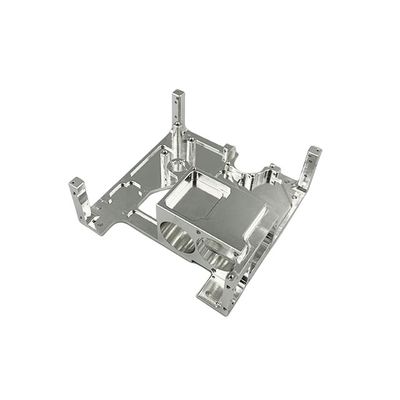
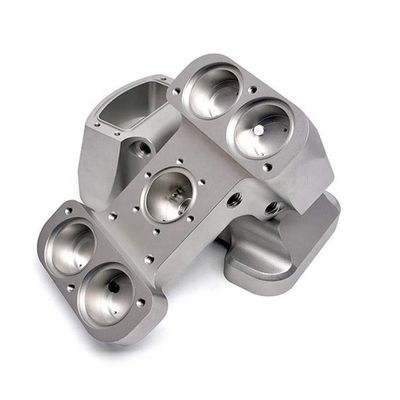
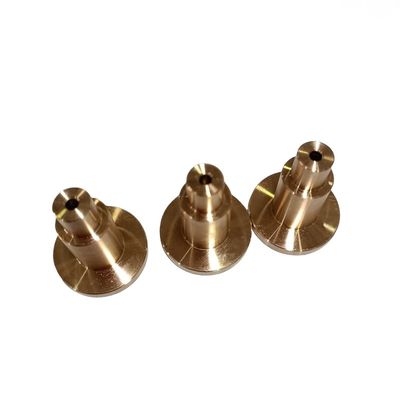
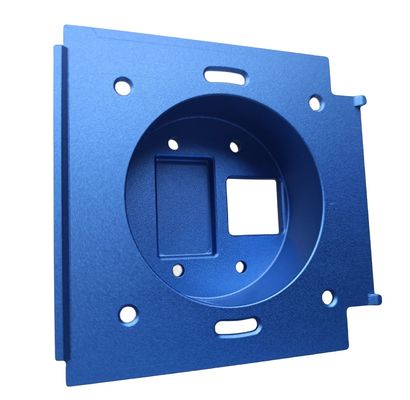
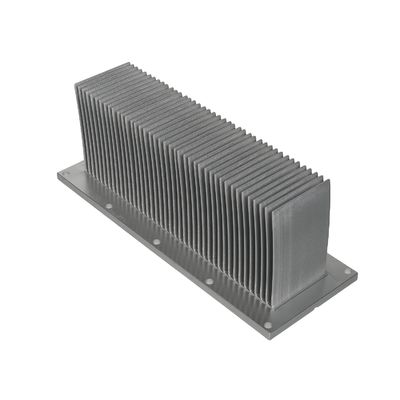
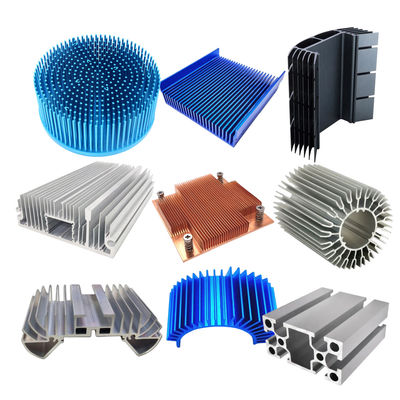
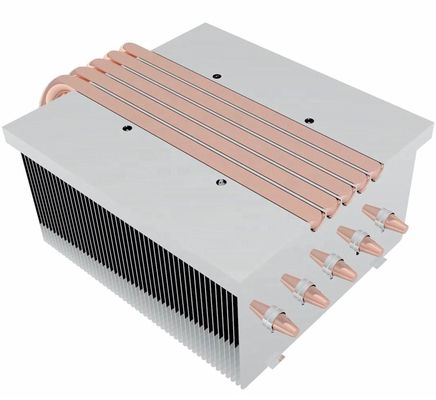
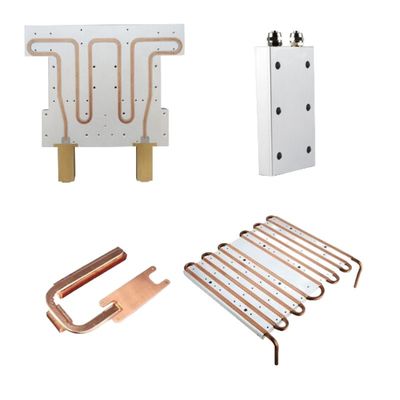
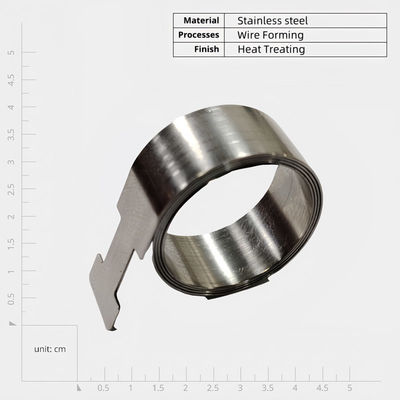
Alguma vez experimentou quedas repentinas de desempenho ou mesmo danos no hardware devido ao superaquecimento?A gestão térmica surgiu como um desafio crítico para os engenheirosOs dissipadores de calor, que servem como "guardiões frios" dos aparelhos eletrónicos, exigem uma selecção cuidadosa dos materiais.Este artigo explora a ciência por trás dos materiais de dissipadores de calor para ajudá-lo a escolher as soluções de resfriamento mais eficazes.
Como funcionam os dissipadores de calor
Os dissipadores de calor funcionam como "transportadores" térmicos, movendo eficientemente o calor dos componentes eletrônicos para o ar circundante.Este projeto maximiza a área da superfície para dissipação de calor eficazMuitos sistemas incorporam mecanismos de arrefecimento adicionais como ventiladores ou tubos de calor para melhorar o desempenho.
Critérios de selecção do material
A escolha do material do dissipador de calor tem um impacto direto no desempenho térmico, no peso e nos custos de fabricação.Indicando o aumento da temperatura por watt de calor dissipadoPor exemplo, um dissipador de calor com resistência térmica de 2°C/W experimentará um aumento de temperatura de 20°C ao dissipar 10 watts.
Por que os dissipadores de calor são importantes
Os sistemas eletrónicos modernos exigem soluções de gestão térmica. À medida que os dispositivos encolhem em tamanho enquanto aumentam em capacidade, geram mais calor em espaços menores.tornando essencial um arrefecimento fiável.
Os dissipadores de calor servem diversas indústrias com desafios térmicos únicos:
-
Eletrônicos de consumo:Computadores portáteis, smartphones e componentes de iluminação LED bem unidos.
-
Automóveis:Os pacotes de baterias, inversores e eletrônicos de potência de veículos elétricos geram calor substancial durante a operação de alta corrente.
-
Equipamento industrial:Os motores, conversores e sistemas de controlo que operam continuamente em ambientes adversos exigem soluções de arrefecimento duradouras para evitar tempos de inatividade.
-
Médico e Telecomunicações:Os sistemas de imagem e o hardware de rede exigem um desempenho térmico estável para um diagnóstico preciso e uma operação ininterrupta.
-
Tecnologia Quântica:Os computadores quânticos e os sistemas fotónicos exigem dissipadores de calor precisamente concebidos para manter condições de temperatura críticas.
Análise comparativa dos materiais de dissipadores de calor
| Materiais |
Conductividade térmica (W/m·K) |
Densidade (g/cm3) |
Características |
| Alumínio |
200 ¥235 |
2.7 |
Leve e fácil de mecanizar ou extrudir; económico para a maioria dos aparelhos electrónicos |
| Cobre |
385 ¢ 400 |
8.9 |
Maior condutividade entre as opções comuns; mais pesado e mais caro |
| Fabricação a partir de materiais de borracha |
200 ¢ 600 |
2.5 ¢4.0 |
Misturas personalizáveis para sistemas aeroespaciais e de alto desempenho |
| Grafite |
150 ¢ 1900 |
1.0 ¢2.2 |
Extremamente leve com condutividade anisotrópica; ideal para aplicações com espaço limitado |
1Alumínio: o versátil artista
O alumínio domina as aplicações de dissipadores de calor devido à sua excepcional relação custo/desempenho:
Vantagens:
- Construção leve ideal para dispositivos portáteis
- Excelente capacidade de mecanização para geometrias complexas
- Produção eficiente em termos de custos
- Conductividade térmica adequada para a maioria das aplicações
Aplicações ideais:Eletrónica de consumo, iluminação LED, dispositivos de uso geral
2O Especialista de Alto Desempenho.
O cobre oferece desempenho térmico incomparável para aplicações exigentes:
Vantagens:
- Conductividade térmica superior
- Excelente resistência à corrosão
Limitações:
- Aumento significativo de peso
- Maior custo dos materiais
Aplicações ideais:Eletrónica de alta potência, hardware de computação premium
3. Metal Matrix Composites: Soluções de Engenharia de Precisão
Os MMCs combinam metais com cerâmica para um desempenho personalizado:
Vantagens:
- Propriedades térmicas e mecânicas personalizáveis
- Alta relação força/peso
Limitações:
- Preços premium
- Fabricação complexa
Aplicações ideais:Aeroespacial, óptica de precisão, sistemas automotivos avançados
4Grafite: o inovador leve
O grafite oferece propriedades térmicas únicas para aplicações especializadas:
Vantagens:
- Leve excepcional
- Conductividade térmica direcional
Limitações:
- Comportamento anisotrópico
- Resistência mecânica inferior
Aplicações ideais:Confecções com espaço limitado, dispersores térmicos
Guia de selecção de material
Considere estas orientações ao escolher materiais para dissipadores de calor:
-
Soluções de uso geral:O alumínio oferece o melhor equilíbrio
-
Refrigerador máximo:O cobre proporciona condutividade superior
-
Restrições de peso/espaço:Grafite oferece desempenho excepcional
-
Propriedades térmicas personalizadas:Os MMCs permitem uma engenharia precisa
Considerações de fabrico
Os métodos de produção têm um impacto significativo no custo e no desempenho:
-
Extrusão:Ideal para perfis de alumínio com barbatanas retas
-
Processamento CNC:Fabricação de precisão para protótipos
-
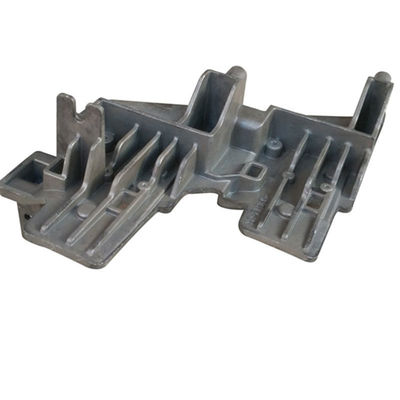
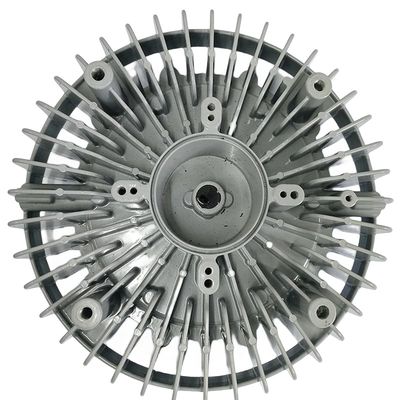
Casting a pressão:Produção em massa de formas complexas
-
Estampagem:Discos de calor planos e barbatanas finas
-
Impressão 3D:Geometrias complexas como estruturas reticulares
Materiais de interface térmica (TIM)
Estas camadas condutoras preenchem lacunas microscópicas entre componentes e dissipadores de calor, melhorando significativamente a eficiência da transferência térmica.
Tratamentos de superfície
Vários revestimentos aumentam o desempenho e a durabilidade:
-
Anodizando:Melhora a resistência à corrosão e a emissividade
-
Revestimento em níquel/estado:Previne a oxidação nos dissipadores de calor de cobre/aço
-
Revestimentos pretos:Aumentar a radiação infravermelha em ambientes de baixo fluxo de ar
-
Revestimentos isolantes:Permitir a colocação segura perto de eletrônicos
Fundamentos do Design
O projeto eficaz dos dissipadores de calor requer uma consideração cuidadosa de:
- Performance térmica versus compensações de peso
- Espaçamento e orientação ótimas das barbatanas
- Compatibilidade com a expansão térmica
- Métodos de montagem e montagem
- Planeamento da integração do sistema
O dissipador de calor mais eficaz não é necessariamente o mais condutor, mas sim a solução que melhor atende às suas necessidades específicas de espaço, peso, fluxo de ar e orçamento.

 Por favor verifique seu email!