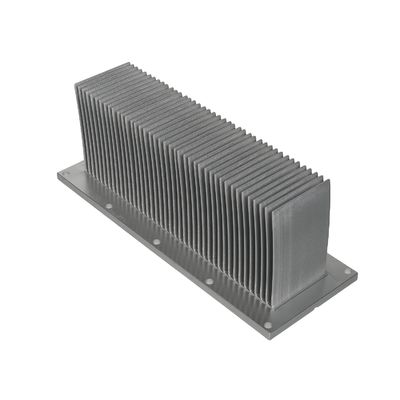
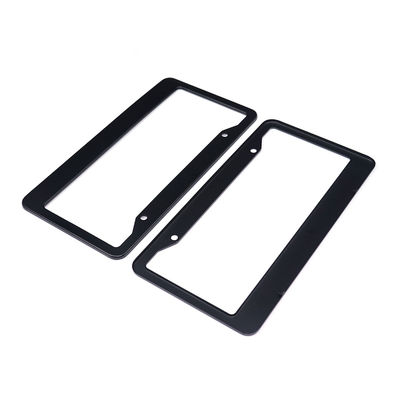
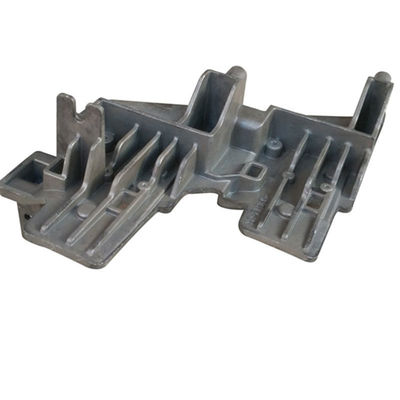
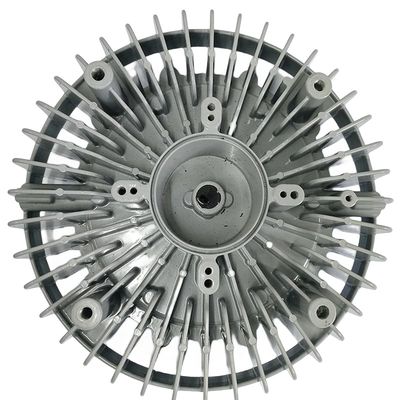
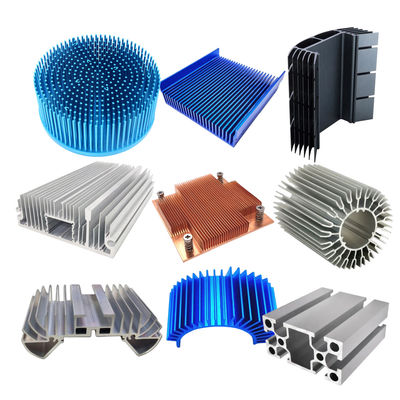
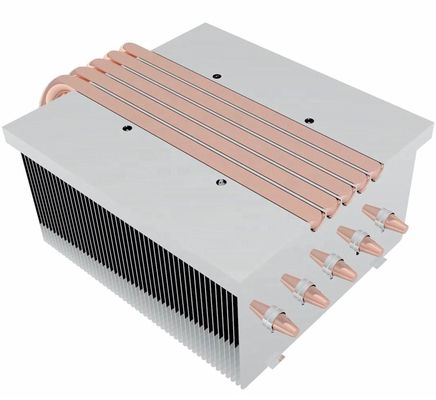
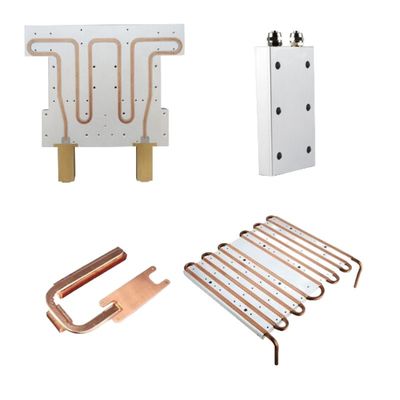
Modern sanayi üretiminde,Metal bileşenler sayısız uygulamada temel yapı taşları olarak hizmet verir - hassas otomobil motor parçalarından karmaşık bilgisayar ısı alıcılarına ve günlük tüketici ürünlerine kadarBu bileşenler için seçilen üretim süreci, ürün performansını, kalitesini, maliyetini ve üretim verimliliğini doğrudan etkiler.
Çeşitli metal imalat teknolojileri arasında, CNC (Bilgisayar Sayısal Kontrol) işleme ve ölçekleme dökme iki baskın yöntem olarak öne çıkmaktadır.Yüksek hassasiyet ve özelleştirme yetenekleri için CNC işlemeyi kullanıp kullanmayacağı, veya seri üretim verimliliği ve maliyet etkinliği için matkap dökümü kullanmak için.
Bölüm 1: Her iki sürecin de temel ilkeleri
1.1 Derin dökme: Basınç altında metal şekillendirme sanatı
Matı dökme, yüksek basınç altında erimiş metali hassas tasarımlı çelik kalıplara enjekte etmeyi içerir.
-
Kalıp Tasarımı ve Üretimi:Mühendisler, metal akış özelliklerini, soğutma hızlarını ve küçülme faktörlerini hesaba katarak, istenen parça geometrisine uyan boşluklar oluşturan iki kısımlı kalıplar oluştururlar.
-
Metal hazırlama:Seçilen alaşımlar (genellikle alüminyum, çinko veya magnezyum) hassas erimiş sıcaklıklara kadar ısıtılır.
-
Yüksek basınçlı enjeksiyon:Erimiş metal, yüzlerce ile binlerce atmosfer arasında değişen basınçlarda kalıplara zorlanır.
-
Sertleşme:Hızlı soğutma, kalıp boşluğunda gerçekleşir ve soğutma oranları nihai parça kalitesini kritik olarak etkiler.
-
İşlem sonrası:Atılmış parçalar kesme, kabuk çıkarma ve yüzey işleme işlemlerine maruz kalır.
1.2 CNC İşleme: Sofracı Üretim yoluyla hassasiyet
CNC işleme, metal boşluklardan malzemeyi aşamalı olarak çıkarmak için bilgisayar kontrollü kesme araçları kullanır:
-
Dijital Modelleme:CAD yazılımı 3 boyutlu parça geometrisini oluşturur.
-
Program üretimi:CAM yazılımı modelleri makine talimatlarına çeviriyor.
-
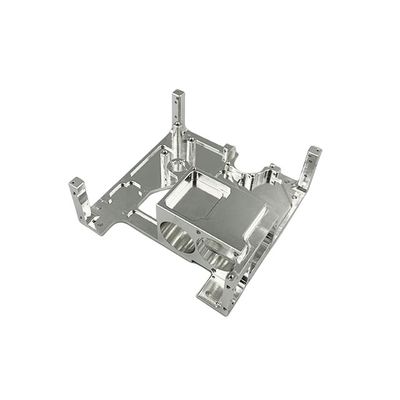
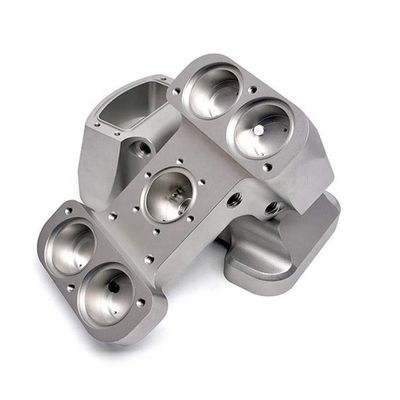
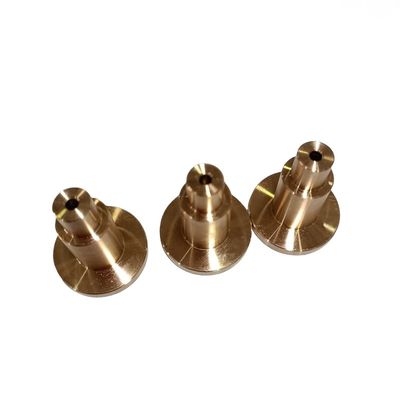
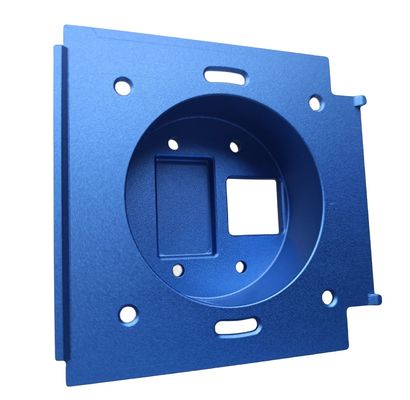
Otomatik Kesme:CNC makineleri programlanmış araç yollarını mikron seviyesinde hassasiyetle yürütür.
-
Bitirme:İşlenmiş parçalar son yüzey işlemlerine tabi tutulur.
1.3 Karşılaştırmalı Analiz
| Karakteristik |
Ölçü dökme |
CNC İşleme |
| Süreç İlke |
Yüksek basınçlı erimiş metal enjeksiyonu |
Bilgisayarla kontrol edilen malzeme kaldırımı |
| Maddi Uyumluluk |
Alüminyum, çinko, magnezyum alaşımları |
Çelik, titanyum, bakır da dahil olmak üzere geniş bir yelpazede |
| Geometrik Karmaşıklık |
Yüksek (iç özellikler dahil) |
Çok yüksek (karışık konturlar mümkündür) |
| Boyut Doğruluğu |
IT10-IT13 (genellikle bitirme gerektirir) |
IT7-IT9 (makineli olarak) |
| Yüzey Dönüşümü |
- İyi. |
Harika. |
| Üretim Hızı |
Çok yüksek |
Nispeten düşük |
| Araç Yatırımı |
Yüksek (kalıp maliyetleri) |
Gerek yok. |
| Ekonomik parti boyutu |
Seri üretimi |
Prototipleme/küçük partiler |
Bölüm 2: Maliyet Düşünceleri ve Üretim Hacmi
Her bir işlemin ekonomik uygulanabilirliği büyük ölçüde üretim miktarlarına bağlıdır:
2.1 Düşük hacimli üretim
CNC işleme, prototypes ve küçük partiler için on binlerce dolara ulaşabilecek kalıp geliştirme masraflarını ortadan kaldırarak daha uygun maliyetli olduğunu kanıtlıyor.
2.2 Yüksek hacimli üretim
Ölçüm atma, kalıp masraflarının binlerce parçada amortize edilmesi ve hızlı döngü sürelerinin işgücü maliyetlerini düşürmesiyle ölçekte önemli bir birim maliyetinde azalma sağlıyor.
2.3 Ödeme Hissesi Analizi
İşlemler arasındaki kesişim noktası parça karmaşıklığına, malzeme seçimine ve hassaslık gereksinimlerine göre değişir.Karmaşık geometriler kalıp yatırımlarını haklı çıkarmak için daha büyük miktarlara ihtiyaç duyarken.
Bölüm 3: Kalite ve hassasiyet karşılaştırması
3.1 Boyut Doğruluğu
CNC işleme, matkap dökme (IT10-IT13) ile karşılaştırıldığında üretilen gibi üstün toleranslar (IT7-IT9) sunar, ancak dökme sonrası işleme ek maliyetle karşılaştırılabilir sonuçlar elde edebilir.
3.2 Yüzey bütünlüğü
Ölçümlü döküm parçaları ikincil işlemler gerektiren gözeneklilik veya akış işaretleri gösterebilirken, CNC işleme doğrudan makinden tutarlı olarak pürüzsüz yüzeyler (Ra 0,4-0,8μm) üretir.
Bölüm 4: Çevre Etkisi Değerlendirmesi
Sürdürülebilirlik düşünceleri, en az malzeme israfı için önyükleme dökümünü destekliyor.CNC işleme, çevresel etkisi en aza indirmek için sağlam geri dönüşüm sistemleri gerektiren önemli metal yongaları üretirken.
Bölüm 5: Karar Çerçevesi
Üreticiler aşağıdakileri değerlendirmelidir:
- Yıllık kısım miktarları
- Geometrik karmaşıklık
- Tolerans gereksinimleri
- Malzeme özellikleri
- Yüzey bitirme ihtiyaçları
- Çevre politikaları
Tasarım uzmanlarıyla erken tasarım aşamalarında danışmak, seçilen süreç için parça geometrisini optimize edebilir ve potansiyel olarak önemli maliyet ve kalite avantajları sağlayabilir.
Bölüm 6: Endüstri Uygulamaları
6.1 Otomotiv bileşenleri
Matkap dökme, karmaşık şekillerin ve malzeme özelliklerinin hassasiyet gereksinimlerini aştığı motor bloklarının ve şanzıman korumalarının yüksek hacimli üretiminde baskın rol oynamaktadır.
6.2 Havacılık ve Uzay Parçaları
CNC işleme, daha yüksek birim maliyetlerine rağmen, titanyum gibi makineleme zor alaşımlarında zorlu toleranslar gerektiren uçuş kritik bileşenler için geçerlidir.
6.3 Tüketici Elektronikleri
Her iki işlem de cihaz kabuklarında uygulanır, maliyet duyarlı ürünler için öne çıkan döküm ve üst düzey finişler için seçilen CNC işleme.
Bölüm 7: Gelecekteki Teknolojik Gelişmeler
Her iki teknolojideki gelişmeler şunları içerir:
- Yapay zekaya dayalı süreç optimizasyonu
- Hibrit üretim yaklaşımları
- Daha iyi sürdürülebilir uygulamalar
- Geliştirilmiş otomasyon yetenekleri
Bu yenilikler, üreticilerin teknik ve ekonomik gereksinimlerine tam olarak uyan çözümleri seçmelerini sağlayarak, süreçler arasındaki geleneksel sınırları daha da bulanıklaştırmayı vaat ediyor.

 Mesajınız 20-3.000 karakter arasında olmalıdır!