Inleiding: De moeilijkheden en kansen van de transformatie van de auto-industrie
De automobielindustrie ondergaat ingrijpende veranderingen door elektrificatie, digitalisering, connectiviteit en gedeelde mobiliteit.Deze transformatie verandert niet alleen het ontwerp en de functionaliteit van voertuigen, maar brengt ook ongekende uitdagingen met zich mee voor het beheer van de toeleveringsketenTraditionele toeleveringsketenmodellen hebben moeite om zich aan te passen aan de snel veranderende marktvraag en de steeds complexere productarchitectuur.
CNC-bewerking met precisie: een strategische factor voor de automobielvoorzieningsketen
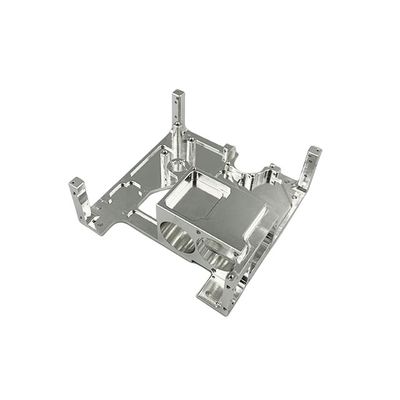
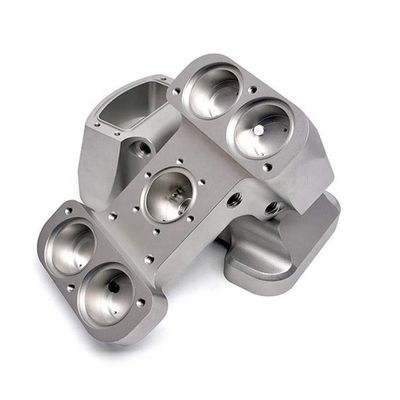
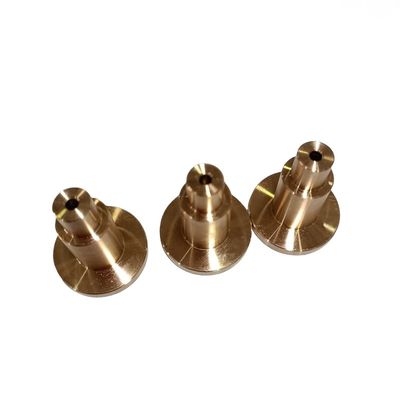
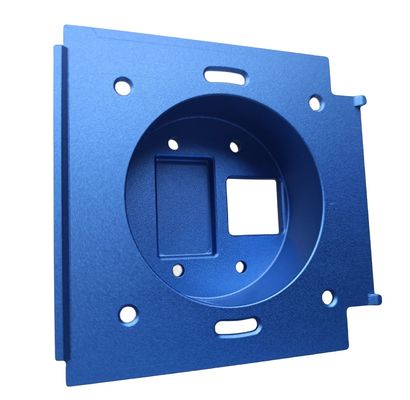
De precisiemaatwerkingen met computernumerieke besturing (CNC) zijn uitgegroeid tot een cruciale oplossing voor de hervorming van de toeleveringsketens van de automobielindustrie.het verbetert de veerkracht en behendigheid van de toeleveringsketen, die fabrikanten helpt bij het navigeren door industriële verstoringen.
Kerncomponenten van CNC-systemen
- Controlesysteem:Interpreteert programmeringsinstructies en stuurt machinebewegingen
- Servosysteem:Vermogensasbewegingen voor nauwkeurige positionering en snelheidsregeling
- Spindelsysteem:Biedt snijkracht door middel van gereedschapsrotatie
- Gereedschapssysteem:Vermogen voor diverse bewerkingsfuncties via gespecialiseerde snijmachines
- Machinesysteem:Zorgt voor structurele stabiliteit om de precisie te behouden
Strategische voordelen voor de automobielindustrie
1Onovertroffen precisiecontrole.
CNC-bewerking handhaaft toleranties op micrometerniveau, cruciaal voor automobielonderdelen waar microscopische afwijkingen de veiligheid en prestaties kunnen in gevaar brengen.vermindert het schrootpercentage, en verbetert de algehele kwaliteit van het voertuig.
2Geavanceerde materiële compatibiliteit
Als lichtgewicht materialen zoals aluminiumlegeringen en koolstofvezelcomposites prominent worden, past CNC-bewerking zich aan door geoptimaliseerde snijparameters, gespecialiseerde gereedschappen,en op maat gemaakte bewerkingsroutes die materiaalvervorming of -schade voorkomen.
Kwantificeerbare voordelen van de toeleveringsketen
Operationeel efficiëntiemetrische indicatoren
- Defectreductie tot 85% ten opzichte van conventionele methoden
- Verkorting van de productietijd met 30-50%
- Verbeteringen van de voorraadomzet van meer dan 50%
- Vermindering van het energieverbruik met 15-25% door geoptimaliseerde werktuigpaden
Risicobeperkende mogelijkheden
CNC-geactiveerde lokale productie vermindert de afhankelijkheid van leveranciers van één enkele bron, waarbij casestudy's aantonen dat logistieke storingen met 40-60% zijn verminderd.Digitale integratie met productie-uitvoeringssystemen (MES) verbetert de zichtbaarheid van de toeleveringsketen met 70-80%.
Aanpak van kritieke uitdagingen in de toeleveringsketen
Qualiteitsconsistentie tussen leveranciers
CNC's herhaalbare processen handhaven de uniformiteit van de componenten, ongeacht de productielocatie of de batchgrootte, waardoor kwaliteitsvariaties die ecosystemen van meerdere leveranciers plagen, worden opgelost.
Beheer van de vraagvolatiliteit
Dankzij de snelle prototyping en de flexibele batchsize kunnen fabrikanten de productievolumes met 30-40% aanpassen zonder aanzienlijke hertoolingskosten of penalty's voor de doorlooptijd.
Toekomstige vooruitzichten
De volgende evolutie van CNC-bewerking zal kunstmatige intelligentie bevatten voor zelfoptimaliserende processen, diepere digitale draadintegratie voor realtime kwaliteitsborging,en duurzame productiepraktijken die de milieueffecten verminderen en tegelijkertijd de nauwkeurigheidsnormen handhaven.

 Uw bericht moet tussen de 20-3.000 tekens bevatten!