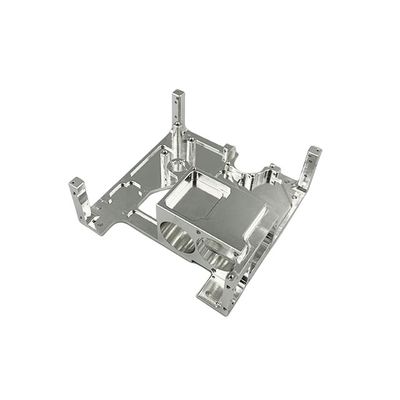
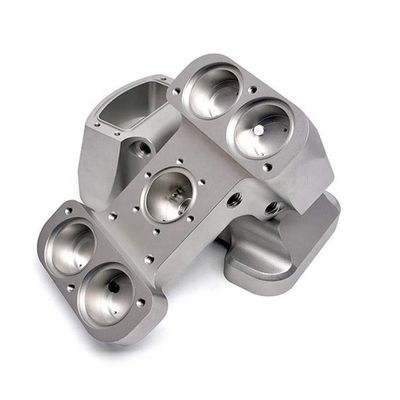
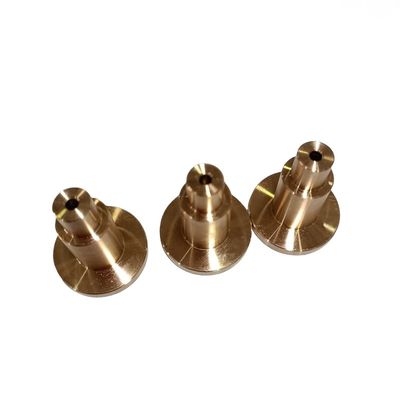
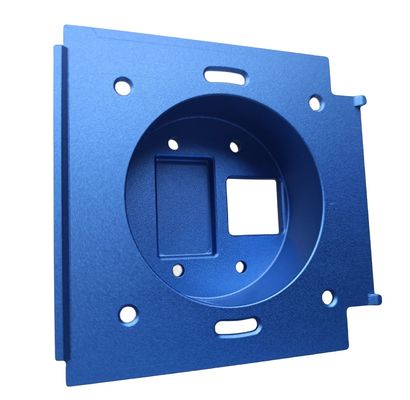
Na fabricação moderna, a usinagem CNC (Computador de Controle Numérico) desempenha um papel fundamental com sua alta precisão, eficiência e automação.projetos defeituosos podem levar a desvios dispendiosos das expectativasEste artigo explora dez considerações críticas de projeto para o sucesso da usinagem CNC.
1Paredes finas: equilibrar o design leve com a integridade estrutural
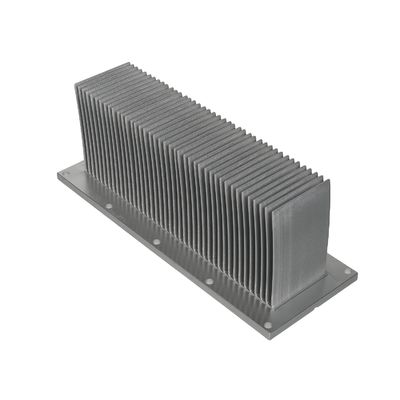
Embora as paredes finas sejam desejáveis para reduzir o peso, a finalidade excessiva compromete a rigidez do material durante a usinagem, causando vibrações que afetam a precisão.A expansão térmica em secções finas pode distorcer ainda mais as peças.
-
Soluções:Selecionar materiais rígidos como alumínio ou titânio; manter espessura mínima (0,8 mm para metais, 1,5 mm para plásticos); adicionar costelas de reforço; otimizar os parâmetros de corte;Considerar processos alternativos como a fabricação de chapas metálicas para minúsculas.
2Constrações geométricas: compreensão das limitações de usinagem
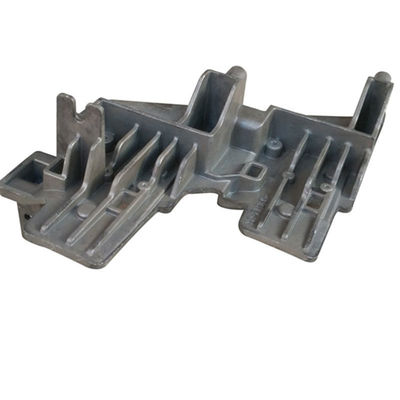
Os moinhos e tornos CNC se destacam nas formas regulares, mas lutam com geometrias complexas.Máquinas de múltiplos eixos (5 eixos) ou processos especializados como EDM (Electrical Discharge Machining) podem ser necessários para características complexas.
3Estratégia de tolerância: precisão onde importa
Aplicar tolerâncias rigorosas apenas para superfícies funcionais críticas, mantendo a consistência em todo o projeto.Considere graus de tolerância padrão como H7 / h6 para encaixes de buraco do eixo.
4Forma versus Função: Estética Prática
As características estéticas complexas exigem muitas vezes ferramentas especializadas e um longo tempo de usinagem.Pós-processamento (anodização), pintura) pode melhorar a aparência sem complicar a usinagem.
5. Design da cavidade: profundidade-largura relação importa
As cavidades profundas desafiam a rigidez da ferramenta. Limite a profundidade a 3-4 vezes a largura da cavidade. Para características mais profundas, considere profundidades escalonadas, suportes de ferramentas mais curtos, parâmetros de corte reduzidos ou alternativas EDM.
6Ângulos internos: relevo de raio para ferramentas
As ferramentas cilíndricas não podem criar cantos internos afiados. Adicionar raios iguais a 130% do raio da ferramenta de fresagem para evitar o desgaste da ferramenta e concentração de estresse.Considerar subcotas ou EDM.
7. Optimização de fios: Força sem excesso
Engajamento do fio além de 1,5 vezes o diâmetro fornece retornos de força decrescente. Padronize os comprimentos e tipos do fio (diâmetro máximo 2×). Para buracos cegos, deixe 0.5 × diâmetro sem fios na parte inferior, para separação de chips.
8. Dimensão característica: Respeitando as capacidades da ferramenta
A maioria das máquinas CNC não pode produzir de forma confiável características menores que 2,5 mm sem ferramentas especializadas.
9Furtos padronizados: eficiência através da consistência
Use tamanhos padrão de perfuração (crescimentos de 0,1 mm abaixo de 10 mm, 0,5 mm acima) para evitar ferramentas personalizadas. Limite a profundidade do buraco a 4 × diâmetro (10 × máximo com custo aumentado).
10Gravação de texto: abordagem minimalista
A marcação pós-processamento (gravação a laser, pintura) é preferível ao texto mecanizado.Escolha fontes simples sem serif de 20pt e profundidades rasas para minimizar o tempo de usinagem.
Faça uma lista de verificação para o sucesso
- Verificar a espessura da parede e as necessidades de reforço
- Confirmar a compatibilidade da geometria com os processos CNC
- Aplicar tolerâncias adequadas
- Equilibrar os requisitos estéticos e funcionais
- Otimizar as proporções das cavidades
- Incluir os raios de canto necessários
- Padronizar as especificações de fios
- Respeitar os tamanhos mínimos das características
- Usar tamanhos de buracos padrão
- Simplificar os requisitos de texto
Ao dominar esses princípios de design, os engenheiros podem otimizar os resultados de usinagem CNC, reduzindo custos e alcançando precisão.O design cuidadoso transforma modelos teóricos em componentes fabricáveis que atendem aos requisitos técnicos e econômicos.

 Por favor verifique seu email!