March 24, 2026
Imagine your computer running intensive games while internal temperatures skyrocket. Without proper cooling, performance drops or hardware damage becomes inevitable. Heat sinks serve as critical components safeguarding electronic devices' stable operation. This analysis explores their working principles, types, material selection, and applications to help build efficient cooling systems.
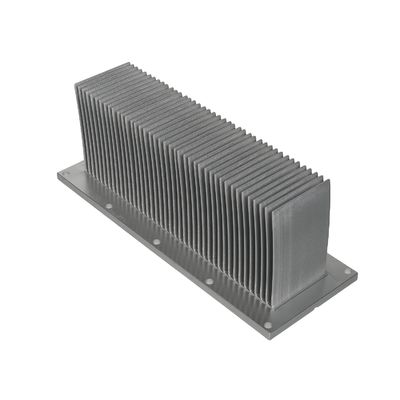
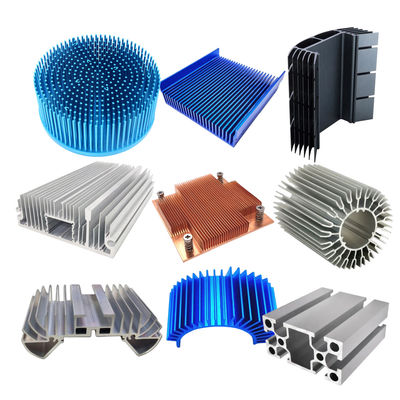
A heat sink is a component made from thermally conductive materials (typically copper or aluminum) designed to absorb and dissipate heat from electronic or mechanical parts. To minimize thermal resistance, heat sinks employ fin structures—serpentine or pin-shaped—to maximize surface area for improved efficiency. The relationship between fin height and spacing, known as the "aspect ratio," is crucial in heat sink design.
Heat sinks can be categorized by cooling mechanism and physical configuration, each suited for specific applications and performance requirements.
Passive heat sinks operate without fans or external power, relying solely on natural convection and thermal radiation. Their larger size makes them ideal for low-power devices or noise-sensitive environments like embedded systems, LED lighting, and medical equipment.
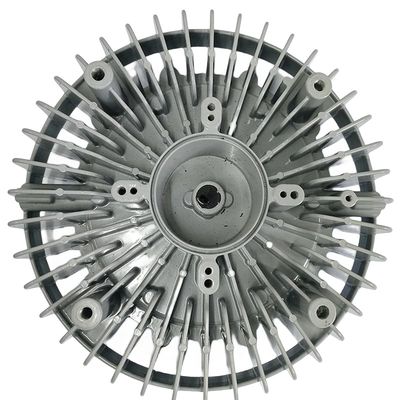
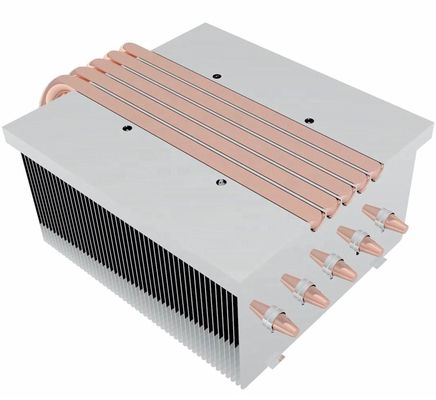
Active heat sinks incorporate fans or pumps to force air/liquid circulation, delivering superior cooling for high-performance CPUs and GPUs at the cost of additional power requirements and potential noise.
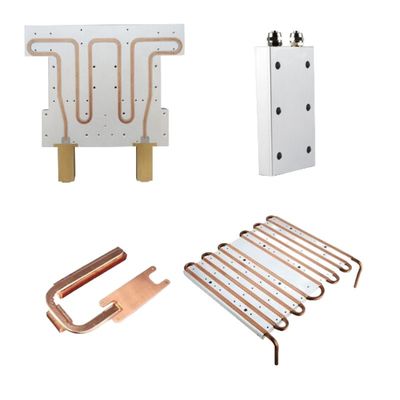
Heat sinks prevent thermal throttling and component degradation by maintaining optimal operating temperatures. Advanced implementations often combine multiple technologies:
| Material | Thermal Conductivity | Typical Applications |
|---|---|---|
| Aluminum | 205 W/m·K | Consumer electronics, LED systems |
| Copper | 401 W/m·K | High-performance computing |
| Graphite | 150-500 W/m·K | High-temperature industrial applications |
Heat dissipation occurs through three mechanisms:
Space-constrained devices require innovative approaches like micro-fin arrays or vapor chamber integration.
Harsh environments demand corrosion-resistant materials and ruggedized designs with protective coatings.
Solar panel efficiency improves with proper thermal management, while wind turbine components benefit from robust cooling solutions.
As electronic power densities continue rising, advanced thermal solutions will remain critical for reliability across all technology sectors.