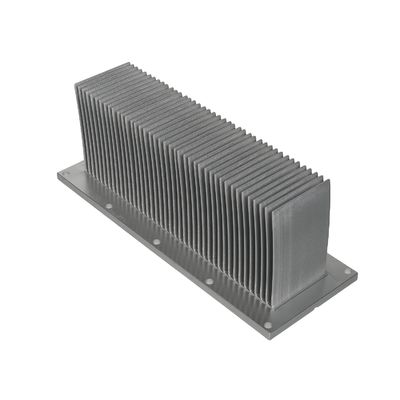
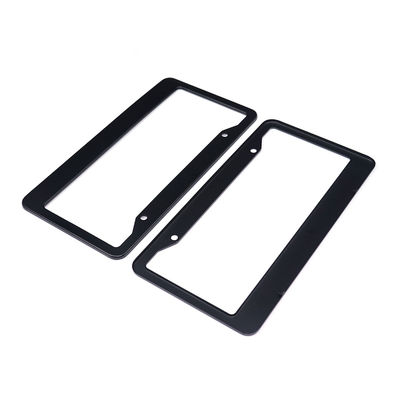
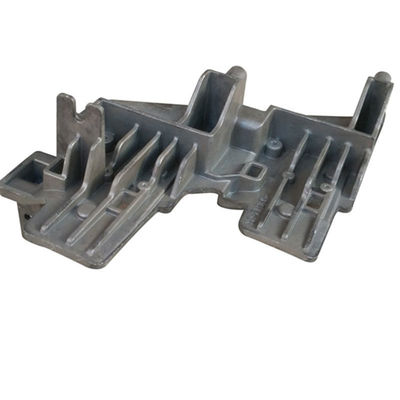
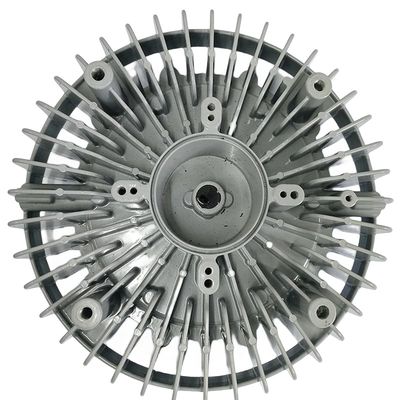
صنعت خودرو در حال تغییر بی سابقه ای است، با مدل های جدید خودرو با سرعت تسریع شده و خواسته های فزاینده ای برای عملکرد، کارایی،و قابلیت اطمیناندر این محیط رقابتی، تولید محصولات با کیفیت بالاتر با هزینه های پایین تر به چالش اصلی تولید کنندگان تبدیل شده است.به ویژه ماشینکاری با کنترل عددی کامپیوتر (CNC)، به عنوان یک راه حل حیاتی برای تغییر صنعت به وجود آمده است.
مزایایی که از ماشین آلات دقیق در خودروها می توان به دست آورد
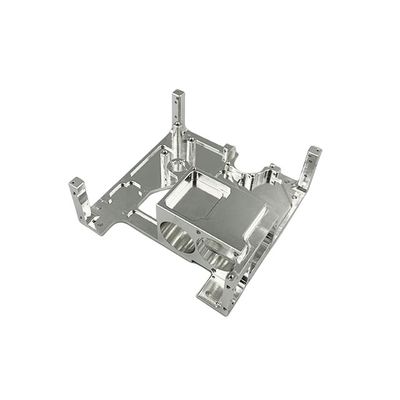
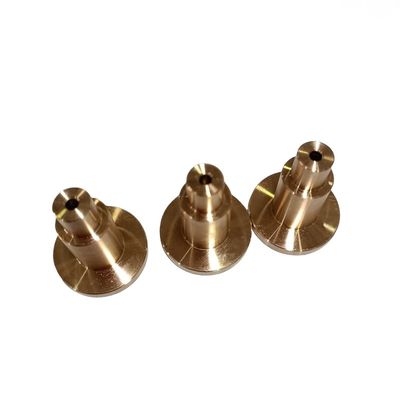
ماشینکاری دقیق خودرو به فرآیندهای تولیدی اشاره دارد که از ابزار ماشین آلات با دقت بالا و سیستم های کنترل پیشرفته برای شکل دادن به قطعات خودرو با دقت دقیق استفاده می کنند.ماشینکاری CNC یکی از رایج ترین انواع این فناوری است.، تبدیل طرح های دیجیتال به دستورالعمل های دقیق ماشینکاری که عملیات برش، حفاری و آسیاب را هدایت می کند.
در مقایسه با روش های معمولی، ماشینکاری دقیق خودرو چندین مزیت مشخص را ارائه می دهد:
1دقت و ثبات استثنایی
ماشینکاری CNC به دقت سطح میکرونی دست می یابد، اطمینان از سازگاری ابعادی و هندسی در میان اجزای مختلف. این قابلیت به ویژه برای بلوک های موتور، سیستم های انتقال،و سایر اجسام حیاتی که انحرافات کوچک می تواند عملکرد خودرو را به خطر بیندازد، کارایی سوخت، یا قابلیت اطمینان.
2افزایش کارایی از طریق اتوماسیون
ماهیت خودکار ماشینکاری CNC چرخه های تولید را به طور قابل توجهی کاهش می دهد در حالی که مداخله انسانی و خطاهای مرتبط با آن را به حداقل می رساند. برنامه نویسی پیشرفته امکان ماشینکاری سطح پیچیده را فراهم می کند،تسهیل پاسخ سریع به تقاضای بازار در طول تولید انبوه.
3استفاده بهینه از مواد
مسیرهای ابزار کنترل شده دقیق و کنترل های دقیق فرآیند به حداقل رساندن ضایعات مواد، به ویژه در هنگام کار با مواد گران قیمت مانند آلومینیوم و آلیاژ های تیتانیوم ارزشمند است.این کارایی به طور مستقیم به کاهش هزینه های تولید کمک می کند.
4ظرفیت های تولیدی انعطاف پذیر
سیستم های CNC سازگاری قابل توجهی را نشان می دهند، و به سرعت نیازهای مختلف را از طریق برنامه و ابزار تغییر می دهند.این انعطاف پذیری به تولید کنندگان این امکان را می دهد که به تغییرات بازار پاسخ دهند و محصولات سفارشی را به طور موثر ارائه دهند.
کاربردهای کلیدی در تولید خودرو
فناوری ماشینکاری دقیق تقریباً در تمام سیستم های خودرو از جمله قطعات محرک، شاسی و بدن استفاده می شود:
اجزای موتور
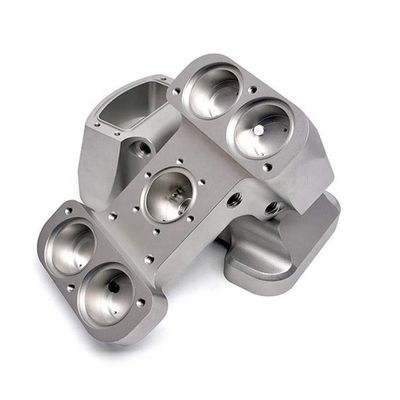
ماشینکاری CNC اطمینان از تحمل دقیق برای بلوک های سیلندر و سر، حیاتی برای حفظ یکپارچگی اتاق احتراق و بهینه سازی هندسه کانال خنک کننده است.اين امكانات به طور مستقيم بر قدرت خروجي تاثير مي گذارند، مدیریت حرارتی و طول عمر.
سیستم های انتقال
پروفایل های دندانهای چرخ دنده و ابعاد میله ای که با مشخصات دقیق ماشینکاری شده اند، انتقال قدرت صاف و دقت چرخش را تضمین می کنند.در حالی که کانال های روان کننده بهینه شده دوام و عملکرد حرارتی را افزایش می دهند.
شاسی و تعلیق
بازوهای تعلیق دقیق و قطعات کشنده شوک، تحمل ابعاد دقیق را برای دستکاری مطلوب خودرو و راحتی رانندگی حفظ می کنند.با رابط های نصب به طور دقیق قرار داده شده که هماهنگی مناسب را تضمین می کند.
پانل های بدن و ابزار
مات های تولید شده توسط CNC برای پانل های بیرونی نیازهای پیچیدگی خمیدگی را که بر جذابیت زیبایی شناسی و عملکرد هواپیمایی تأثیر می گذارد، به کاهش ضریب مقاومت کمک می کند.
اجزای وسایل نقلیه الکتریکی
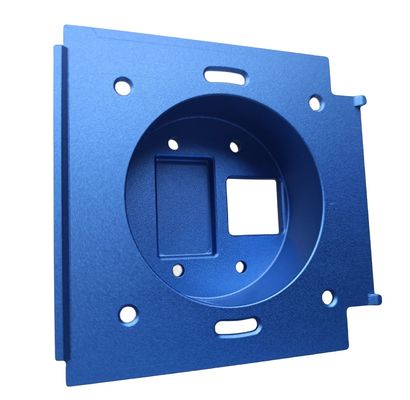
این تکنولوژی به نیازهای منحصر به فرد برای محفظه های باتری، محفظه های موتور و الکترونیک قدرت در وسایل نقلیه الکتریکی پاسخ می دهد.ترکیب یکپارچگی ساختاری با طرح های سبک وزن و راه حل های مهر و موم موثر.
چالش ها و مسیرهای آینده
علیرغم مزایای آن، ماشینکاری دقیق با چندین چالش پیاده سازی روبرو است:
- الزامات سرمایه گذاری قابل توجهی برای تجهیزات با دقت بالا
- کمبود برنامه نویسان و اپراتورهای ماهر
- برنامه ریزی فرآیند پیچیده برای اجزای پیچیده
- ملاحظات زیست محیطی در مورد زباله های برش و روغن
توسعه های نوظهور تکنولوژی با هدف مقابله با این چالش ها از طریق:
1تولید هوشمند
ادغام هوش مصنوعی و یادگیری ماشین برای نگهداری پیش بینی، بهینه سازی پارامتر و کنترل کیفیت.
2. فرآیندهای پایدار
استفاده از ماشین آلات خشک، حداقل مقدار روانکاری و تکنیک های پیشرفته بازیافت برای به حداقل رساندن تأثیرات زیست محیطی.
3تولید ترکیبی
ترکیبی از فرآیندهای افزودنی و کسری در سیستم عامل های یکپارچه برای تولید هندسه های پیچیده با استفاده از مواد کاهش یافته است.
4ادغام دیجیتال
سیستم های تولید شبکه ای که امکان نظارت از راه دور، تجزیه و تحلیل پیش بینی و تنظیم فرآیند در زمان واقعی را از طریق سیستم عامل های IoT صنعتی فراهم می کند.
چشم انداز صنعت
تکنولوژی ماشینکاری دقیق همچنان به عنوان یک عامل اساسی برای نوآوری خودرو در حال تکامل است. پیشرفت های آینده در تکنیک های فوق العاده دقیق، کاربردهای جدید مواد،و سیستم های تولیدی دیجیتال کاملاً یکپارچه وعده می دهند که عملکرد خودرو را در حالی که نیازهای هزینه و پایداری را برطرف می کنند، افزایش می دهند.با انتقال صنعت به سمت راه حل های الکتریکی و تحرک هوشمند، این فن آوری های تولید نقش فزاینده ای در شکل دادن به توسعه خودرو خواهند داشت.

 پیام شما باید بین 20 تا 3000 کاراکتر باشد!