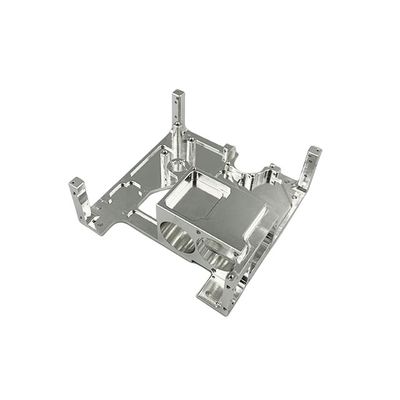
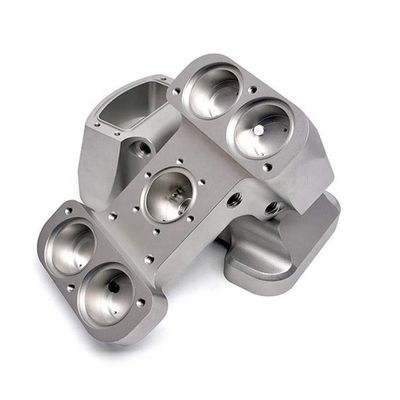
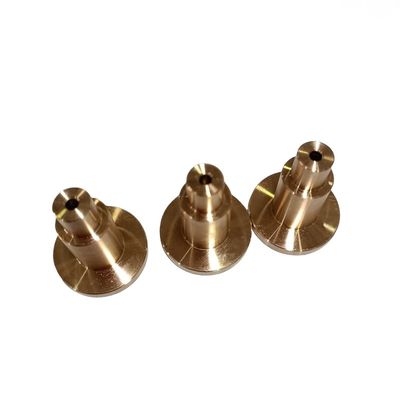
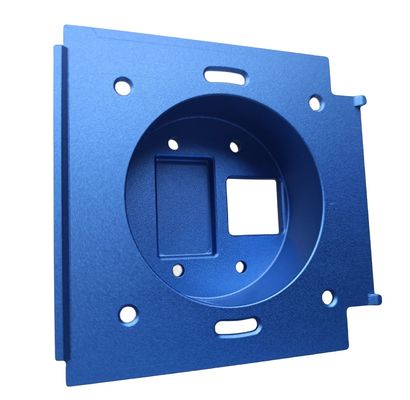
تصور کنید که یک قطعه فلزی با دقت ساخته شده باشد که باید به صورت آینه ای باشد، اما نقص های ظریف و بافت خشن را نشان می دهد.این نه تنها زیبایی را تضعیف می کند بلکه ممکن است عملکرد و طول عمر را کاهش دهددر عملیات برش فلز، خشکی سطح یکی از مهمترین معیارهای کیفیت است. اما چه عواملی به طور مخفیانه جذابیت بصری یک سطح را تعیین می کنند؟و چگونه تولید کنندگان می توانند این متغیرها را کنترل کنند تا به پایان بی نقص برسند?
این تجزیه و تحلیل جامع، عوامل کلیدی که بر خشکی سطح در عملیات برش فلز تاثیر می گذارند را بررسی می کند و استراتژی های کنترل عملی را ارائه می دهد.ارائه راهنمای مرجع عملی برای مهندسان و تکنسین ها.
I. درک اندازه گیری خشکی سطح
خشکی سطح به قله ها و دره های میکروسکوپی اشاره دارد که بافت مشخصی از سطوح ماشینکاری را تشکیل می دهند.به طور مستقیم بر عملکرد قطعات تاثیر می گذارد، از جمله:
- تناسب و تحمل مونتاژ
- مقاومت لباس
- قدرت خستگی
- عملکرد مهر و موم
- ظاهر بصری
پارامترهای خشن بودن استاندارد صنعت عبارتند از:
میانگین خشکی ریاضی (Ra)
بیشترین پارامتر مورد استفاده، محاسبه شده به عنوان متوسط انحراف مطلق از میانگین مشخصات سطح:
Ra = (1/L) ∫ به اندازه
جایی که L نشان دهنده طول نمونه گیری و y ((x) نشان دهنده انحراف پروفایل از خط مرکز است.
متوسط خشکی مربع ریشه (Rq)
حساسیت بیشتری به تغییرات اوج را با اندازه گیری ریشه مربع انحرافات مربع متوسط فراهم می کند.
اندازه گیری از قله تا دره
-
Rp:حداکثر ارتفاع قله
-
ر.و:حداکثر عمق دره
-
Rz:ارتفاع کل بین بالاترین قله و عمیق ترین دره
II. عوامل حیاتی که بر پایان سطح تاثیر می گذارند
1پارامترهای هندسه ابزار
شعاع گوشه را وارد کنید:شعاع های بزرگتر به طور تئوری با توزیع نیروهای برش و کاهش لرزش، پایان های صاف تری را تولید می کنند. خشکی نظری را می توان با:
Rth ≈ f2 / (8 * r)
جایی که f = سرعت تغذیه و r = شعاع بینی. انتخاب عملی باید ویژگی های مواد و ثبات ماشین را در نظر بگیرد.
زاویه شلوار:افزایش زاویه های مثبت ریک، تیز بودن ابزار را بهبود می بخشد، نیروهای برش و درجه حرارت را کاهش می دهد در حالی که تشکیل لبه های ساخته شده را به حداقل می رساند.
زاویه گشایش:زاویه های مطلوب از تداخل ابزار و قطعه کار جلوگیری می کنند در حالی که قدرت ابزار را حفظ می کنند.
آماده سازی لبه:تراش دقیق نقص های میکروسکوپی را که می توانند به سطوح قطعه کار منتقل شوند از بین می برد.
2. پارامترهای برش
نرخ تغذیه:عامل غالب - خوراک های بالاتر به تناسب مربع میزان تغذیه، نامنظمیت پروفایل را افزایش می دهد.
سرعت برش:افزایش متوسط باعث کاهش شکل گیری لبه ها می شود، اما سرعت بیش از حد باعث فرسایش و لرزش ابزار می شود.
عمق برش:کمتر در عملیات تکمیل اثرگذار است که گذر نور استاندارد است.
3انتخاب مواد ابزار
مواد با وابستگی پایین قطعه (به عنوان مثال، پوشش TiC / TiN برای فولاد) چسبندگی و تشکیل لبه های ساخته شده را به حداقل می رساند.
4. شکل گیری کنار ساخته شده
چسبندگی مواد قطعه به لبه های برش باعث ایجاد شرایط قطع ناپایدار و نقص های سطحی می شود. روش های پیشگیری عبارتند از:
- مواد ابزار بهینه شده
- افزایش سرعت برش
- استفاده موثر از مایع خنک کننده
- هندسه کنترل تراشه های برتر
5. قابلیت های ماشین آلات
سفتی و دقت به طور مستقیم بر پایان های حاصل شده از طریق:
- دقت موقعیت
- مقاومت لرزش
- ثبات پویا
6خواص مواد قطعه کار
سختی، سختی و میکروساخت بر مکانیک برش و یکپارچگی سطح تاثیر می گذارد.
7. عملکرد مایعات برش
مایعات موثر:
- مدیریت حرارتی
- کاهش اصطکاک
- تخلیه تراشه
- حفاظت از خوردگی
8کنترل لرزش
منابع شامل پویایی ماشین، رزونانس ابزار و بی ثباتی فرآیند برش است. استراتژی های کاهش:
- سفتی ساختاری بیشتر
- دارنده ابزار ضد لرزش
- تکنیک های خنک کننده فرآیند
- اجتناب از فرکانس رزونانس
III. استراتژی های بهینه سازی سطح پایان
1. بهینه سازی ابزار
- انتخاب زیربنای مناسب/پرت های مناسب
- حداکثر شعاع بینی در محدوده ثبات
- استفاده از هندسه های مثبت ریک
- آماده سازی دقیق لبه را مشخص کنید
- برای پایان دادن به ورودی های پاک کننده را در نظر بگیرید
2. بهینه سازی پارامتر
- کاهش سرعت تغذیه برای پایان های حیاتی
- سرعت برش توازن برای ترکیب مواد و ابزار
- کاهش عمق برش در عملیات تکمیل
3کنترل فرآیند
- نظارت بر ارتعاش
- تامین ثابت مایعات خنک کننده
- نظارت بر فرسایش ابزار
- استاندارد سازی تثبیت قطعات کار
IV. تکنیک های تکمیل تخصصی
ابزار هندسی پاک کننده:این ورودی های تخصصی دارای لبه های مسطح گسترده فراتر از قوس برش هستند و عملکرد صاف کننده ثانویه ای را فراهم می کنند.
- نیاز به سفتی بالای ماشین
- امکان افزایش نرخ تغذیه در حالی که کیفیت پایان را حفظ می کند
- نیاز به تراز دقیق ابزار
- نیاز به بازرسی مکرر وضعیت لبه
V. نتیجه گیری
کیفیت پایان سطح نشان دهنده یک تعامل پیچیده بین ابزار، پارامترهای فرآیند، قابلیت های ماشین و رفتار مواد است.از طریق تجزیه و تحلیل سیستماتیک عوامل موثر و اجرای اقدامات کنترل هدفمند، سازندگان می توانند به طور مداوم یکپارچگی سطح برتر را که هم نیازهای کاربردی و هم انتظارات زیبایی را برآورده می کند، به دست آورند.

 پیام شما باید بین 20 تا 3000 کاراکتر باشد!