Imagine your beloved gaming console freezing at a critical moment due to overheating, or your server cluster losing valuable data because of inadequate cooling. Efficient thermal management is essential for electronic devices to function properly. Active and passive cooling represent two fundamental approaches to heat dissipation, each with distinct advantages. This analysis examines both methods to help identify optimal cooling solutions.
Heat Sinks: The Silent Guardians of Electronics
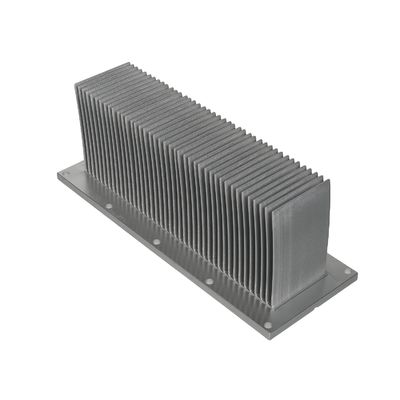
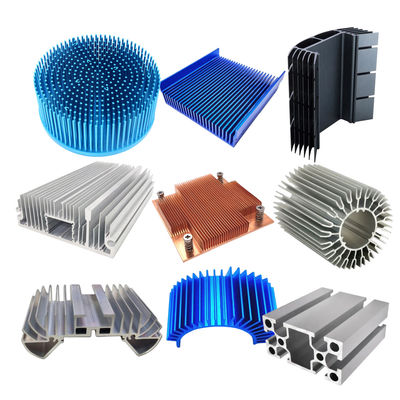
In the realm of electronics, heat sinks serve as critical components that maintain stable operating temperatures for electronic parts. Their primary function involves transferring and dispersing heat away from sensitive components to prevent performance degradation or permanent damage.
Core Functions of Heat Sinks
Heat sinks operate through three primary thermal transfer mechanisms: conduction (heat transfer through solids), convection (heat transfer through fluids), and radiation (electromagnetic heat emission). By combining these processes, heat sinks maintain components within safe temperature thresholds.
Impact on Device Longevity
Excessive heat represents one of the most significant threats to electronic components, accelerating material degradation and reducing operational lifespan. Proper thermal management through effective heat sinks substantially decreases failure rates, particularly in high-power devices or densely packed integrated circuits.
Active Cooling: High-Performance Thermal Management
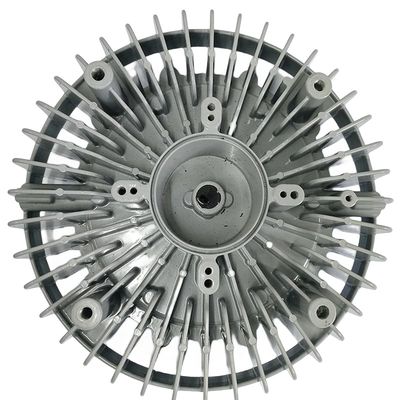
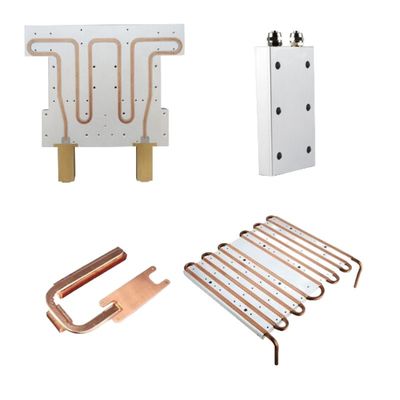
Active cooling systems utilize mechanical components like fans or liquid cooling pumps to forcibly circulate air or coolant. This method delivers superior heat dissipation for power-intensive applications.
Advantages and Applications
The primary benefit of active cooling lies in its exceptional heat dissipation capacity, making it ideal for high-performance computing systems including gaming PCs, data servers, and aerospace electronics. The forced airflow enables stable operation under heavy workloads.
Active systems also offer space efficiency. Engineers can optimize fan configurations or liquid cooling layouts to achieve substantial cooling in compact form factors.
Material Selection and Design Principles
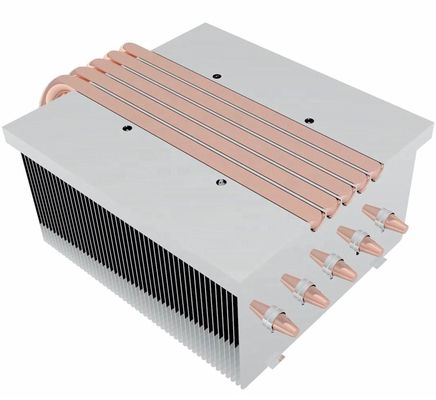
Copper and aluminum dominate active cooler construction. Copper provides superior thermal conductivity but increases weight and cost, while aluminum offers favorable weight-to-performance ratios. Many premium coolers combine copper bases with aluminum fins to balance performance and economics.
Design elements significantly impact cooling efficiency. Factors including fan dimensions, rotational speed, blade geometry, fin arrangement, and thermal interface materials all contribute to overall performance. Thermal compounds help minimize air gaps between components and heat sinks for optimal conduction.
Passive Cooling: Silent and Energy-Efficient Operation
Passive cooling relies entirely on natural convection and thermal radiation without moving parts. This approach expands surface area to facilitate gradual heat dissipation through ambient air movement.
Benefits and Implementation
The absence of mechanical components makes passive systems completely silent, suitable for noise-sensitive environments like recording studios, medical facilities, and home theaters. Their simple construction enhances reliability and service life.
Passive solutions also demonstrate energy efficiency by eliminating power requirements for cooling fans or pumps. This characteristic makes them environmentally preferable for low-power devices including LED lighting, basic computing systems, and media players.
Material and Structural Considerations
Aluminum remains the predominant material for passive heat sinks due to its favorable thermal properties and cost-effectiveness. Some applications may incorporate copper or aluminum alloys for enhanced performance.
Structural design critically influences passive cooling effectiveness. Engineers optimize fin geometry, spacing, and orientation to maximize surface exposure to ambient air. Proper installation positioning ensures unobstructed airflow around the heat sink.
Comparative Analysis: Active vs Passive Cooling
|
Characteristic
|
Active Cooling
|
Passive Cooling
|
|
Cooling Capacity
|
High, suitable for power-intensive devices
|
Moderate, appropriate for low-power applications
|
|
Thermal Efficiency
|
Excellent heat transfer rate
|
Gradual heat dissipation
|
|
Acoustic Output
|
Audible fan noise
|
Completely silent
|
|
Reliability
|
Lower due to mechanical components
|
Higher with solid-state construction
|
|
Energy Consumption
|
Requires additional power
|
No supplemental energy needed
|
|
Maintenance Requirements
|
Regular cleaning and coolant replacement
|
Minimal maintenance
|
|
Implementation Cost
|
Higher initial and operational costs
|
Lower overall expenses
|
Future Directions in Thermal Management
As electronic devices continue evolving toward greater miniaturization and higher performance, thermal management technologies must correspondingly advance. Emerging solutions aim to deliver more efficient, intelligent, and sustainable cooling approaches to meet these challenges.

 Your message must be between 20-3,000 characters!