March 26, 2026
In today's rapidly evolving industrial landscape, material performance requirements have become increasingly stringent. High-tech sectors such as aerospace, automotive manufacturing, and medical devices demand materials that can withstand extreme conditions while maintaining reliability and safety. Among various options, aluminum alloy 6061-T6 has emerged as a preferred choice due to its exceptional combination of properties.
The widespread adoption of 6061-T6 aluminum in precision engineering applications stems from its outstanding mechanical characteristics:
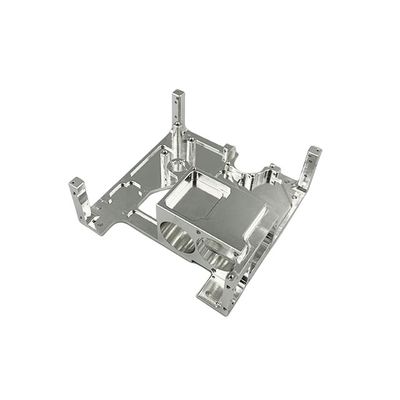
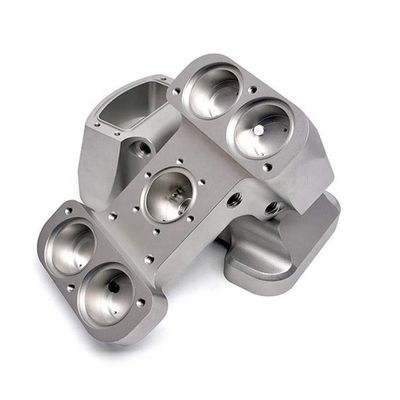
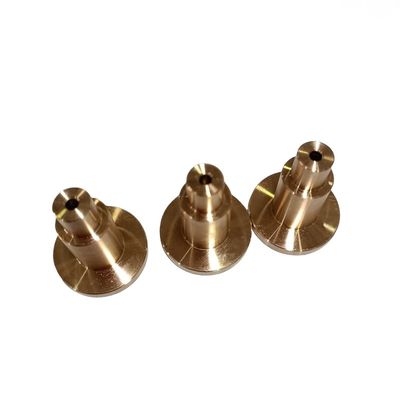
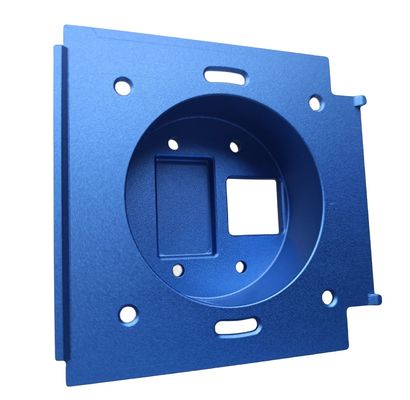
Computer Numerical Control (CNC) machining has become the standard manufacturing method for 6061-T6 components, offering two primary processing approaches:
Modern CNC systems can achieve machining tolerances within ±0.001 inches, meeting the most demanding precision requirements across industries.
When evaluated against alternative aluminum alloys, 6061-T6 demonstrates a balanced combination of properties:
The versatility of 6061-T6 aluminum has led to its adoption across multiple sectors:
Beyond its technical merits, 6061-T6 aluminum presents compelling economic advantages. The material's relatively low raw material cost combined with CNC machining's automation potential results in favorable production economics. This cost-performance balance makes it particularly attractive for manufacturers seeking to optimize production budgets without compromising quality.
As manufacturing requirements continue to evolve toward higher precision and performance standards, CNC-machined 6061-T6 aluminum components are expected to see expanded applications across industrial sectors.