logo

PC Cooling Basics Water Coolers Vs Heatsinks Explained

December 17, 2025

Latest company news about PC Cooling Basics Water Coolers Vs Heatsinks Explained

This question frequently puzzles first-time PC builders who have installed liquid cooling systems. To properly address this, we must examine the fundamental principles of heat dissipation in computer systems.

The Reality of Liquid Cooling Systems

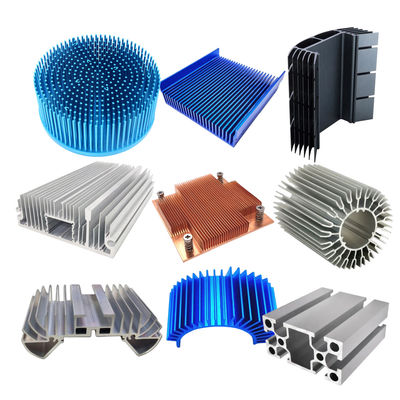
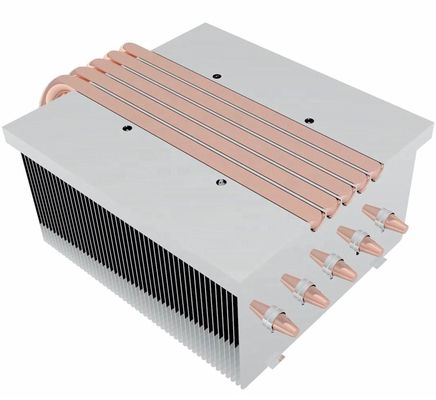
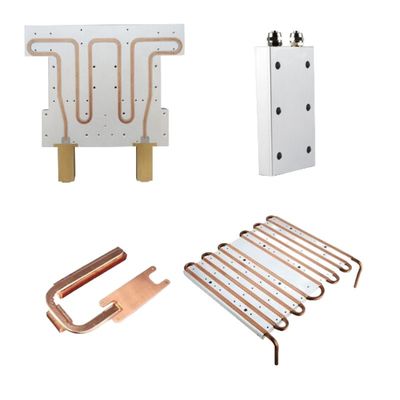
Liquid cooling doesn't completely eliminate the need for heat sinks. More accurately, it replaces the large heat sink component found in traditional air cooling systems. The thermal transfer process begins when the CPU generates heat, which is immediately conducted to the cooling block base (typically made of copper or aluminum) that maintains direct contact with the processor.

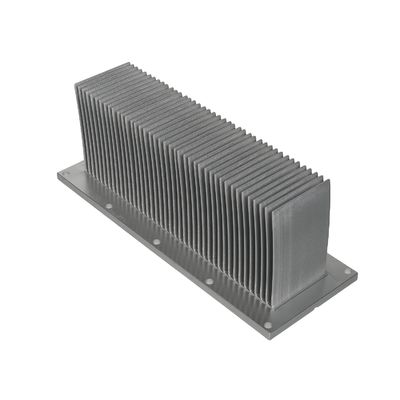
This base plate essentially functions as a compact heat sink , efficiently transferring thermal energy to the circulating coolant. The liquid then carries this heat to the radiator, where fans dissipate it into the environment. Therefore, even with liquid cooling, the cooling block's base remains crucial for initial heat transfer from the CPU.

Common Misconceptions and Risks

Some beginners mistakenly assume liquid cooling systems can interface directly with CPU cores without proper mounting hardware. This misunderstanding can lead to improper installation where the cooling block doesn't achieve optimal contact with the processor. Such installation errors can dramatically reduce cooling efficiency and potentially cause permanent CPU damage due to thermal overload.

Additionally, other motherboard components like the chipset (including any remaining northbridge components) and southbridge still require dedicated heat sinks. While these elements generate less heat than the CPU, prolonged exposure to high temperatures can degrade their performance and operational lifespan.

System-Wide Thermal Considerations
  • The cooling block maintains perfect contact with the CPU surface
  • Appropriate thermal paste application between surfaces
  • Adequate cooling for all other heat-generating components
  • Proper airflow throughout the case to support the liquid cooling system

In summary, while liquid cooling replaces bulky air cooling heat sinks, the cooling block's base remains an essential thermal interface. System builders should also address the cooling requirements of all motherboard components to ensure stable, long-term operation.

Get in touch with us
Contact Person : Mr. Alfa zhang
Tel : 13763108722
Characters Remaining(20/3000)