Imagine your precision electronic equipment repeatedly failing due to overheating—just when you need it most. Power semiconductor components like diodes and thyristors inevitably generate heat during operation. When this heat cannot be effectively dissipated, the component temperature—especially the critical junction temperature—rises rapidly. Exceeding the safety threshold (typically between 125°C and 150°C) significantly reduces reliability and may cause permanent damage. Fortunately, heat sinks serve as the ultimate cooling solution for power semiconductors. This guide explores key selection criteria to help you solve thermal challenges and ensure stable, reliable operation.
1. Heat Sinks: The Reliable Guardians of Power Semiconductors
The primary mission of heat sinks is to efficiently absorb thermal energy from power semiconductor components and dissipate it into the surrounding environment, maintaining safe operating temperatures. Beyond preventing overheating failures, proper heat dissipation significantly enhances long-term reliability and extends service life. Selecting appropriate heat sinks represents a critical factor in ensuring electronic equipment stability.
2. Three Cooling Methods: Finding the Right Solution
Heat sinks employ various cooling approaches, with selection depending on application requirements, environmental conditions, and component heat generation. The three primary methods include:
-
Natural Convection Cooling: This passive method relies on natural airflow for heat dissipation. Advantages include simple structure, low cost, silent operation, and high reliability. However, cooling capacity remains limited, making this suitable only for low-heat components or applications with modest thermal requirements. Examples include low-power supply modules and LED lighting systems.
-
Forced Air Cooling: Using fans to accelerate airflow dramatically improves heat dissipation efficiency compared to natural convection. This method provides superior cooling capacity for high-heat components or demanding applications. Air-cooled heat sinks commonly serve computer CPUs, GPUs, power modules, and amplifiers. Key performance metrics include fan airflow (measured in m³/h or CFM) and static pressure (mmH₂O or inH₂O).
-
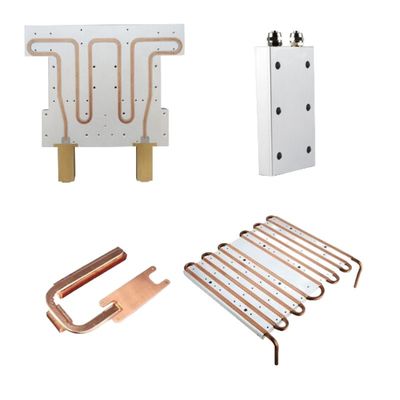
Liquid Cooling: Utilizing water or coolant as thermal transfer media, liquid cooling systems move heat from components to radiators, where fans or cooling fins dissipate it. Compared to air cooling, liquid systems offer superior thermal performance and quieter operation. These typically serve high-performance computers, servers, and large-scale power electronics where extreme cooling demands exist. However, liquid systems require more complex design and maintenance with higher associated costs.
3. Material Selection: Copper vs. Aluminum
Heat sink materials directly influence thermal performance, with copper and aluminum representing the dominant choices:
-
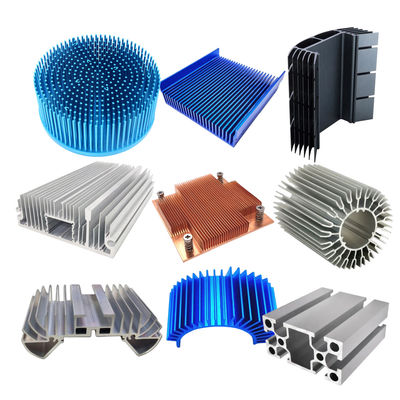
Copper: Renowned for exceptional thermal conductivity (approximately 1.5× aluminum), copper heat sinks transfer heat more rapidly from components to cooling surfaces. This makes them ideal for extreme thermal applications like high-performance CPUs and GPUs. However, higher density increases weight and cost, limiting use in weight-sensitive or budget-conscious applications.
-
Aluminum: While less conductive than copper, aluminum still provides excellent thermal performance with significantly lower density. This results in lighter, more cost-effective solutions with good corrosion resistance and manufacturability. Aluminum heat sinks dominate applications including power modules, LED lighting, and consumer electronics where thermal demands remain moderate but weight and cost considerations prevail.
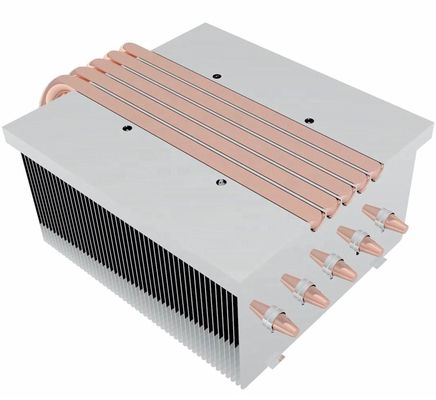
Hybrid designs combining copper bases with aluminum fins offer balanced solutions that leverage copper's conductivity with aluminum's lightweight advantages, creating cost-effective thermal management systems.
4. Heat Sink Geometry: Optimizing Thermal Performance
Surface geometry significantly impacts cooling efficiency. Advanced designs incorporate complex structures like fins or grooves to maximize surface area and improve heat dissipation:
-
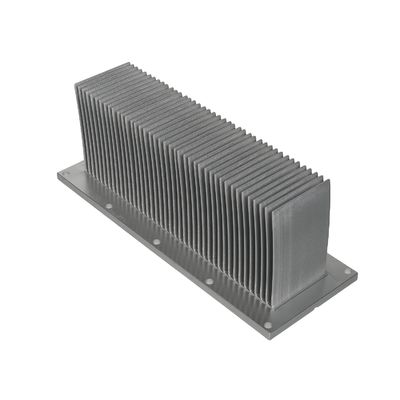
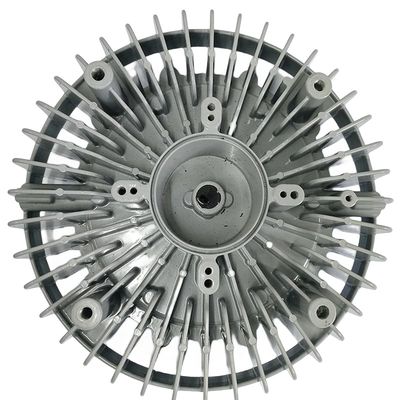
Fins: The most common structure increases surface area through multiple thin projections. Fin quantity, spacing, and height all affect performance. While thinner, closer, taller fins generally improve cooling, excessive density increases airflow resistance, potentially reducing effectiveness.
-
Grooves: Surface channels enhance both contact area and airflow. Like fins, groove dimensions require careful optimization to balance thermal transfer and air resistance.
Alternative designs including pin-type and wave-pattern heat sinks serve specialized applications, demonstrating the importance of selecting appropriate geometries for specific thermal challenges.
5. Installation Considerations: Details Matter
Proper installation remains critical for optimal performance. Key factors include:
-
Surface Contact: Ensure tight interface contact between semiconductor components and heat sinks to minimize thermal resistance. Thermal interface materials like grease fill microscopic gaps to improve conduction.
-
Mounting Technique: Follow manufacturer specifications to secure proper attachment and maintain consistent pressure against components.
-
Orientation: For air-cooled units, align fins parallel to airflow direction to prevent obstruction.
-
Maintenance: Regularly remove accumulated dust using compressed air or soft brushes to preserve cooling efficiency.
Conclusion: Selecting the Right Thermal Solution
Effective thermal management for power semiconductors requires careful heat sink selection, proper installation, and routine maintenance. Understanding these principles helps ensure reliable electronic system operation by keeping critical components within safe temperature ranges.

 Your message must be between 20-3,000 characters!