January 22, 2026
Have you ever noticed your electronic devices slowing down or malfunctioning due to excessive heat? Imagine a cooling solution that could keep your equipment running at peak performance by maintaining optimal temperatures. High-performance cooling systems are far more than simple metal blocks—they represent a sophisticated fusion of thermodynamics, materials science, and fluid dynamics.
The importance of effective cooling lies in heat dissipation. Electronic components generate heat during operation, and if this heat isn't efficiently removed, it can lead to reduced performance, shortened lifespan, or even permanent damage. A well-designed cooling system rapidly transfers heat from its source to the surrounding environment, ensuring stable device operation.
Creating an effective cooling system requires careful consideration of multiple engineering factors:
The choice of materials is critical for thermal conductivity. Copper and aluminum are the most common choices—copper offers superior thermal conductivity but at higher cost, while aluminum provides a more cost-effective alternative. The optimal material depends on balancing performance requirements with budget constraints.
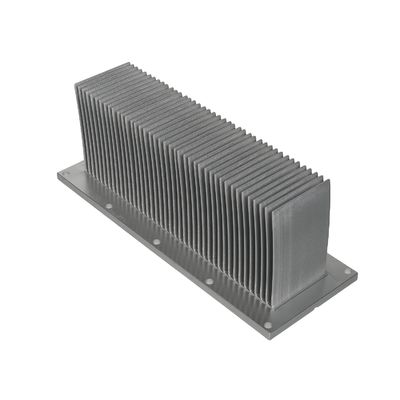
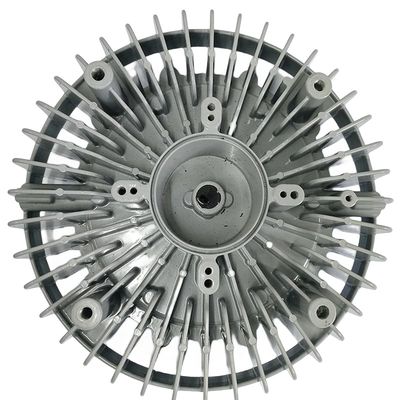
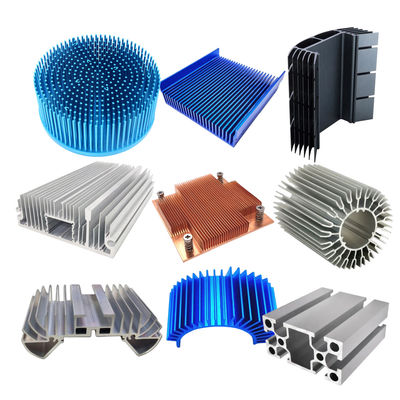
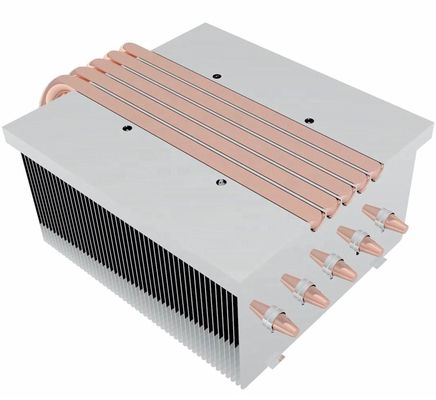
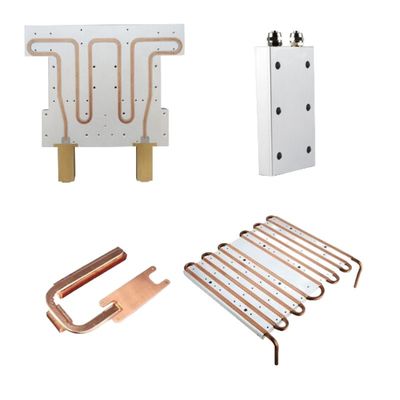
The shape and architecture of the cooling system significantly impact its effectiveness. Increasing surface area enhances heat dissipation. Common designs include:
Proper mounting and thermal interface materials are equally important. Ensuring tight contact between the cooling system and heat source, along with using thermal compounds, minimizes thermal resistance and improves overall efficiency.
Developing an optimal cooling solution requires comprehensive optimization of materials, structure, and installation. Only through meticulous attention to all these factors can a cooling system achieve its full potential, keeping your electronic devices operating at peak performance.